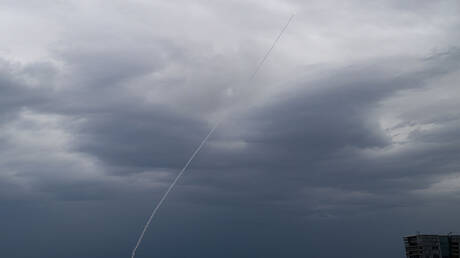
Hezbollah launched extensive rocket and drone attacks on Kiryat Shmona and Israeli military sites on Wednesday. These attacks come amid escalating tensions between the group and Israel, raising concerns about their implications for regional security.
These attacks are part of Hezbollah's strategy to assert its military capability against Israel, utilizing advanced rockets and drones to strike strategic targets. Reports indicate that the attacks caused material damage, but no human casualties have been reported thus far.
Details of the Incident
The attacks follow a series of escalating tensions between Hezbollah and Israel, with recent exchanges of fire reported along the Lebanese-Israeli border. Hezbollah has stated that these operations are a response to repeated Israeli aggressions against Lebanese territory, reflecting an escalation in the long-standing conflict.
The group emphasized that these attacks are part of its defense of Lebanese sovereignty and that it will not hesitate to respond to any Israeli aggressions. Images and videos circulated on social media show the aftermath of the attacks, further increasing anxiety in the region.
Background & Context
Historically, the Lebanese-Israeli border has been a theater for conflicts and disputes. Since the 2006 war, the region has witnessed recurring tensions, as Hezbollah seeks to bolster its position as a major military force in Lebanon. The conflict between the group and Israel also reflects broader tensions in the Middle East, including conflicts in Syria and Palestine.
These attacks are part of the ongoing struggle between the Iranian axis and its allies on one side and Israel on the other. Recent developments in the region, including the Abraham Accords, have contributed to heightened tensions among the various parties involved.
Impact & Consequences
Analysts predict that these attacks could lead to a further escalation of the conflict, potentially dragging the region into greater chaos. Should the attacks continue, Israel may take retaliatory military actions, increasing the risk of an all-out war.
These developments could also affect relations between Arab states and Israel, as some countries may adopt harsher stances towards Israel in light of the escalating violence. This situation underscores the urgent need for diplomatic efforts to resolve conflicts in the region.
Regional Significance
These attacks serve as a wake-up call for Arab nations, highlighting the need to enhance security and stability in the region. The rising tensions between Hezbollah and Israel may also impact situations in Syria and Palestine, complicating the regional landscape.
Under these circumstances, Arab countries must adopt new strategies to address security challenges and enhance regional cooperation to counter any potential threats. Peace and stability in the region depend on the ability of the involved parties to overcome their differences and reach peaceful solutions.