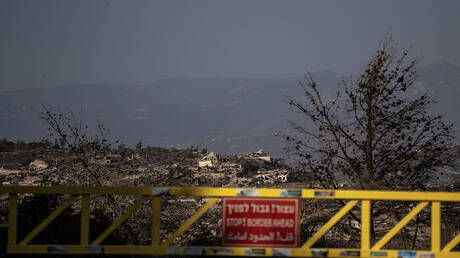
Hezbollah launched rocket and drone attacks on Israeli settlements and military bases today, reflecting a significant escalation in tensions between the two sides. These attacks come at a sensitive time, as clashes in the region have intensified, raising concerns about the potential for further conflict.
The attacks targeted several Israeli military sites in the northern part of the country, with reports indicating that the rockets and drones hit precise targets. Images circulated on social media showed the destruction left by these attacks, highlighting the effectiveness of the weapons used.
Details of the Incident
According to local sources, the attacks targeted settlements located near the Lebanese border, causing panic among residents. Israeli military sources confirmed injuries but did not disclose exact numbers. This attack follows a series of mutual threats between Hezbollah and Israel, with military tensions running high.
The spokesperson for Hezbollah indicated that these attacks were in response to repeated Israeli aggressions against Lebanon, emphasizing the party's right to defend its country's sovereignty. The Israeli government responded swiftly, reinforcing military forces in the area in anticipation of any further escalation.
Background & Context
Historically, the Lebanese-Israeli border has witnessed recurring tensions, with the conflict between the two sides dating back decades. Hezbollah, considered one of the prominent armed factions in Lebanon, has fought several wars against Israel, the most notable being in 2006. Since then, tensions have persisted, with exchanges of attacks and threats.
In recent years, tensions have escalated due to disputes over maritime borders and natural resources. Recent events in Syria and their impact on the situation in Lebanon have also contributed to the escalation. Hezbollah, which is part of the Lebanese government, faces both internal and external challenges, complicating the landscape further.
Impact & Consequences
These attacks could lead to a greater escalation of the conflict, threatening regional security. Israel may respond with greater force, increasing the likelihood of a new war. Furthermore, military escalation could affect civilians on both sides, exacerbating the suffering of local populations.
Additionally, these events may impact relations between Lebanon and other countries, especially amid international pressures on Hezbollah. Some nations may seek to intervene to curb the escalation, while others may support the party in its stance against Israel.
Regional Significance
These attacks are indicative of rising tensions in the region, affecting stability in neighboring countries. Events in Lebanon may provoke reactions from other Arab nations, particularly in light of the political and economic crises plaguing the region.
The military escalation between Hezbollah and Israel could also impact peace efforts in the region, complicating negotiations over unresolved issues. Under these circumstances, the situation in Lebanon and Israel remains under close observation, with analysts expecting further developments in the coming days.