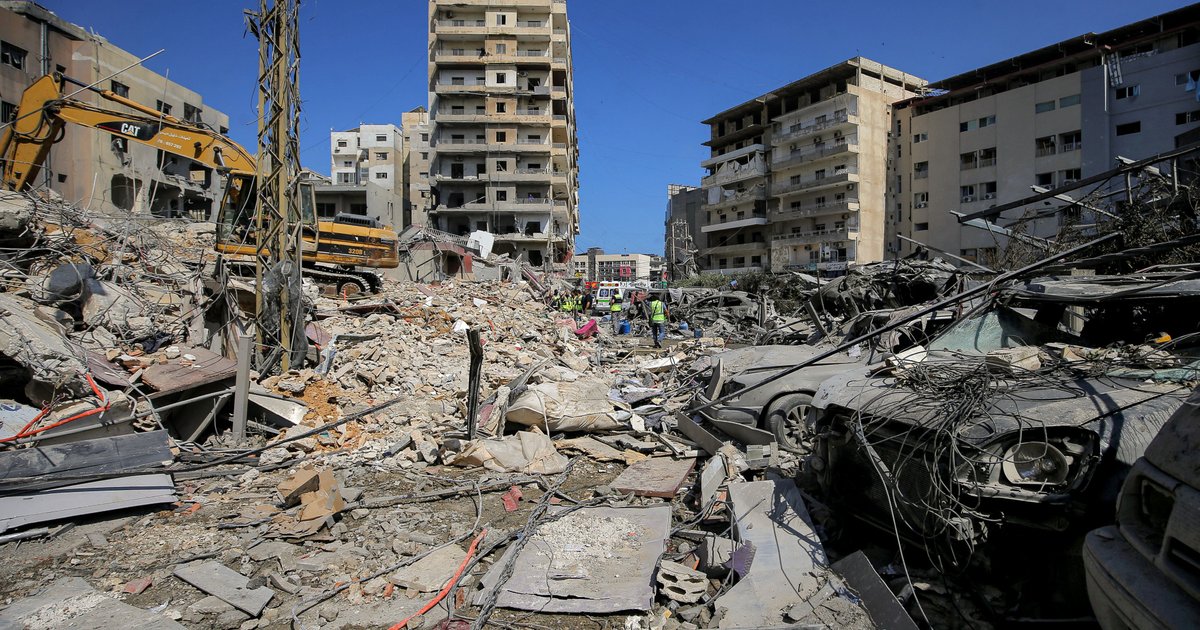
In the aftermath of the 66-day war in 2024, the Lebanese group Hezbollah has restructured its leadership and combat strategy to confront the growing challenges posed by Israel. Recent developments have shown that the party has become more prepared and adaptable in the battlefield, relying on small specialized units and drones to minimize the losses of the occupying army.
Last week, both the Israeli and Lebanese governments announced a US-mediated agreement in Washington to renew the "ceasefire" and seek a comprehensive settlement. However, the terms only require Hezbollah to cease its attacks, which the party vehemently rejected, describing the negotiations as "ridiculous and humiliating."
Details of the Conflict
Over the past ten weeks, Hezbollah has engaged in a war of attrition against renewed Israeli attacks in the south, relying on drones and specialized small units to increase pressure on Israeli forces. After approximately 70 days of the party entering what is termed the "Ramadan War," it can be said that Hezbollah today is significantly different from the force that fought in 2024, both in terms of military organization and combat readiness as well as operational flexibility.
Indicators show that Hezbollah has significantly restructured its command mechanisms and communication methods, helping it maintain cohesion on the battlefield even under severe pressure. Unlike previous wars, where there were difficulties in coordination between leadership and field units, current operations are conducted across multiple fronts simultaneously, reflecting a significant improvement in performance.
Background & Context
Historically, the region has witnessed ongoing conflicts between Israel and Hezbollah, with previous wars presenting significant challenges for both parties. Since 2000, when Israel withdrew from southern Lebanon, Hezbollah has become a major force in Lebanon, making it a constant target for Israeli military operations. With rising tensions in recent years, it has become essential for Hezbollah to reassess its strategies to confront the increasing threats.
The current conditions in Lebanon, including economic and social crises, require Hezbollah to be more flexible in its strategies, as any failure on the battlefield could negatively impact its internal standing.
Impact & Consequences
Hezbollah's restructuring of its leadership and combat strategies could lead to significant changes in the balance of power in the region. Instead of focusing on defending territory, the party appears to have shifted to a strategy that inflicts ongoing costs on the enemy, reflecting a change in the definition of victory and defeat. This may alter how other parties view the conflict.
This strategy could also increase pressure on Israel, as it will find itself compelled to deal with ongoing costs in any future military operations. This may affect its political and military decisions in the region.
Regional Significance
The ramifications of this conflict extend beyond Lebanon, potentially affecting regional stability. Amid the political and economic crises faced by countries in the region, any escalation in the conflict could exacerbate humanitarian conditions and increase sectarian tensions.
Moreover, Hezbollah's success in restructuring itself may encourage other groups in the region to adopt similar strategies, potentially leading to greater escalation in armed conflicts.
In conclusion, the situation in Lebanon remains sensitive, as internal challenges may have a more significant impact on Hezbollah's future than any military conflict. The ability to adapt to changing circumstances will determine the party's fate moving forward.