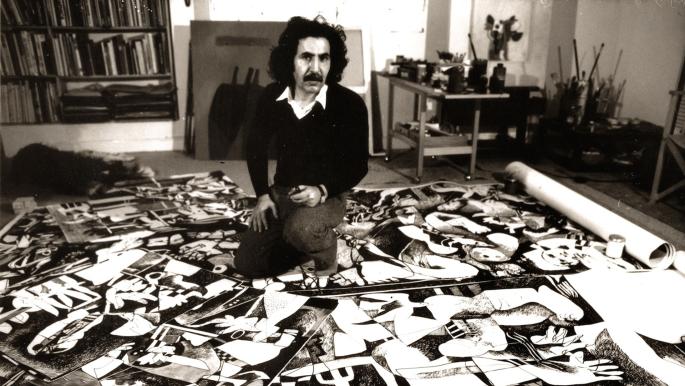
The two paintings have gained widespread recognition, with the first expressing protest against racist regimes, while the second embodies the Palestinian tragedy across its various stages.
The painting "Guernica" by Spanish artist Pablo Picasso is one of the most prominent artworks reflecting the brutality of wars and oppressive regimes. Painted in 1937, it serves as a symbol of protest against fascism, depicting scenes of destruction and suffering experienced by the city of Guernica during the Spanish Civil War. Through dark colors and abstract forms, Picasso was able to convey the feelings of pain and horror that the Spanish people endured during that time.
Event Details
In contrast, the painting "Dia Al-Azzawi" highlights the Palestinian tragedy, reflecting the suffering of the Palestinian people throughout history. This painting is a manifestation of the ongoing pain experienced by Palestinians, starting from the Nakba in 1948 to the current events. By using vibrant colors and intricate details, Al-Azzawi managed to convey a sense of loss and hope simultaneously.
The stories of both paintings intertwine, as each reflects a profound human struggle, prompting viewers to contemplate issues of justice and freedom. They are not merely artworks; they are testimonies to the suffering of peoples in the face of oppression.
Background & Context
Historically, the works of Picasso and Al-Azzawi have been part of artistic and cultural movements aimed at expressing social and political issues. In Picasso's case, the Spanish Civil War was the driving force behind his creativity, while the Palestinian cause is the central theme of Al-Azzawi's work. Both paintings reflect the conflicts that humanity has witnessed, transcending the boundaries of time and place.
These artworks are housed in global museums, regarded as significant artistic landmarks that narrate painful human stories. They embody the power of artistic expression in the face of injustice, reflecting the role of art as a means for social change.
Impact & Consequences
Both paintings significantly influence the artistic and cultural landscape, contributing to raising awareness about humanitarian issues. They invite reflection on how wars and oppressive regimes impact societies. Additionally, they play a role in promoting dialogue about human rights and social justice.
These works continue to inspire artists and activists around the world, serving as tools for expressing contemporary issues. They remind us that art can be a powerful means for change and can help build bridges of understanding between different cultures.
Regional Significance
In the Arab region, the painting "Dia Al-Azzawi" reflects the painful reality faced by Palestinians, making it a symbol of hope and resistance. This painting contributes to enhancing Palestinian identity and highlights the suffering of the Palestinian people in the face of occupation.
On the other hand, "Guernica" reminds Arabs of the importance of standing against oppressive regimes and urges them to demand freedom and justice. They serve as a reminder that art can be a tool for change and can contribute to building a better future.
In conclusion, both paintings remain a vivid example of the ability of art to express human suffering and encourage reflection on the issues affecting communities worldwide.