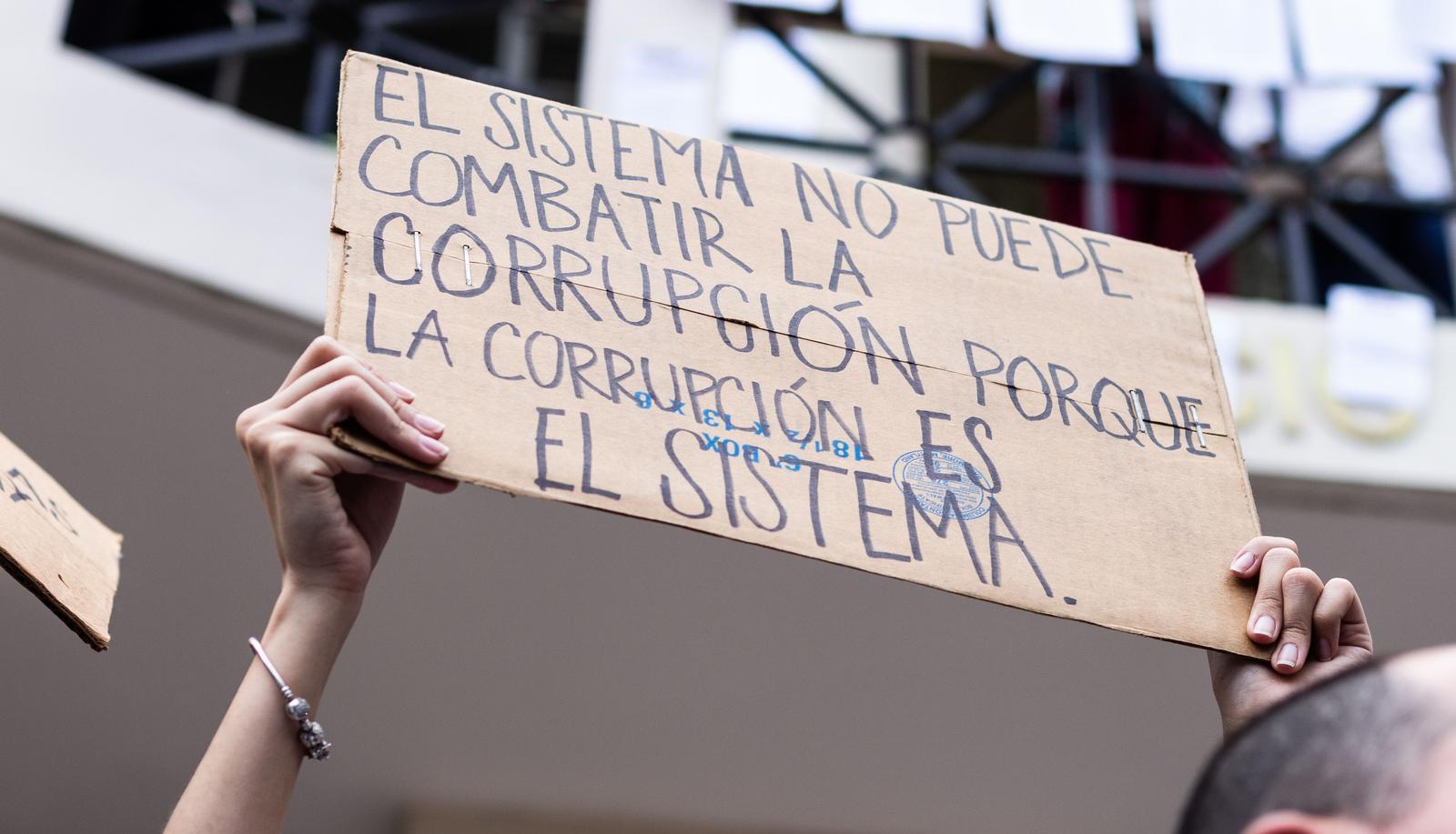
Concerns about corruption in legal systems are rising as reports reveal that some individuals resort to paying bribes to reclaim their seized assets. These practices raise questions about the integrity of the judiciary and the extent to which corruption affects individual rights.
Amid the difficult economic conditions faced by many citizens, recovering seized assets has become a significant challenge. Reports have shown that some individuals resort to bribing government officials, including police officers and judicial staff, in order to regain their properties.
Details of the Situation
These practices involve offering illegal sums of money to the relevant officials, contributing to the spread of corruption and negatively impacting the legal system. Several cases have been documented in various countries, where some individuals have been arrested for attempting to recover their assets through these illegal means.
This situation reflects a crisis of trust between citizens and authorities, as many feel compelled to resort to illegal methods to obtain their rights. Additionally, these practices highlight the weakness of oversight on government institutions, which contributes to the proliferation of corruption.
Background & Context
Historically, many Arab countries have witnessed similar cases of corruption, where bribery was a common means to recover assets or obtain government services. These practices have led to a erosion of trust in government institutions, negatively affecting economic and social development.
In recent years, some governments have begun to take steps to combat corruption, but challenges remain. With increasing economic pressures, many find themselves forced to resort to bribery as a means of survival.
Impact & Consequences
These practices lead to the spread of corruption in society, affecting economic development and widening the gap between social classes. Furthermore, corruption hinders government efforts to improve public services and enhance transparency.
Moreover, these practices result in a erosion of trust in the legal system, causing citizens to feel insecure and increasing social tension. Ultimately, these phenomena impact the political and economic stability of the affected countries.
Regional Significance
This issue is particularly significant in the Arab region, where many countries suffer from corruption and mismanagement problems. The prevalence of bribery and abuse of power obstructs development efforts and directly affects citizens' lives.
Under these circumstances, governments must take serious steps to combat corruption and promote transparency. There must be effective mechanisms for monitoring and holding accountable those responsible for these practices to restore citizens' trust in the legal system.
In conclusion, reclaiming seized assets through bribery is not just an individual issue; it reflects a broader crisis related to corruption in legal systems. It is essential for governments to take effective steps to combat this phenomenon in order to build a more just and transparent society.