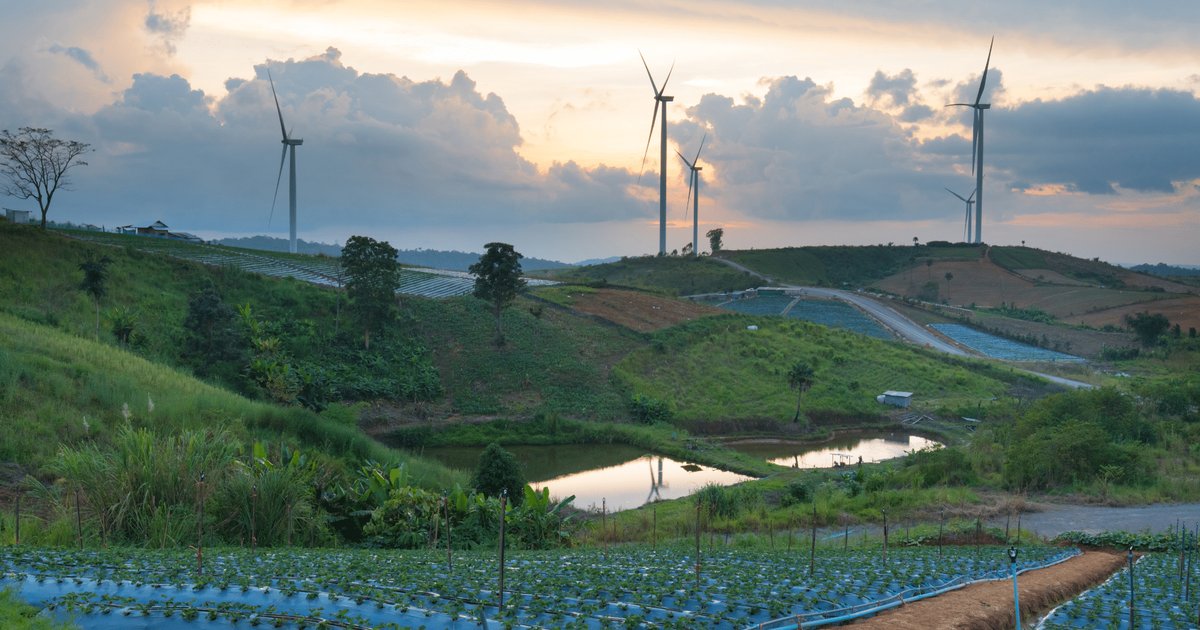
In a move aimed at boosting industry in Indonesia, PT PLN (Persero) highlighted the importance of renewable energy-based electricity connectivity. This was discussed during a public forum held in Jakarta, where the gap between the high energy demand in Java and the lack of renewable energy sources in other regions was emphasized.
Ari Sujianto, Vice President of Electric Power Planning at PT PLN, explained that the energy demand in Java is extremely high, while the available renewable energy resources are insufficient to meet industrial needs. He stressed the necessity of distributing industry more evenly across the country to take advantage of the renewable energy sources available in remote areas.
Event Details
These statements come as part of the Electricity Supply Business Plan (RUPTL) for the period from 2025 to 2034, which aims to build a large-scale green electricity transmission network. This network will serve as a main artery for transmitting electricity from renewable energy sources, which are often located in remote areas, to high-demand centers such as industrial zones and major cities.
Sujianto pointed out that Indonesia has significant potential in renewable energy, such as geothermal and hydropower in Sumatra, which can be further exploited to meet the electricity needs of the population.
Background & Context
Historically, Indonesia has faced significant challenges in energy provision, as the economy heavily relies on fossil fuels. However, the Indonesian government is striving to shift this trend by promoting the use of renewable energy. The government has set ambitious targets to expand the electricity network over the next decade, aiming to build 47,758 kilometers of transmission lines.
This ambitious project requires massive investments, as establishing electricity connectivity between islands necessitates advanced technologies and high costs. Nevertheless, the government hopes that this project will attract investors, contributing to the development of renewable energy in the country.
Impact & Consequences
This step is crucial not only for enhancing industry in Indonesia but also for improving environmental sustainability. By promoting the use of renewable energy, Indonesia can reduce carbon emissions and enhance energy security. Furthermore, developing a green electricity transmission network will contribute to achieving sustainable development goals.
Moreover, improving access to energy in remote areas can lead to a radical change in the lives of local populations, contributing to improved living standards and fostering economic development in those regions.
Regional Significance
In the context of the Arab region, Indonesia's experience can be seen as a model for renewable energy development. Many Arab countries possess vast natural resources in solar and wind energy, making them capable of achieving similar energy independence. Arab nations can benefit from Indonesian experiences in developing sustainable energy infrastructure.
In conclusion, electricity connectivity and the promotion of renewable energy represent a strategic step towards achieving sustainable development in Indonesia, reflecting the global trend towards transitioning to clean energy sources.