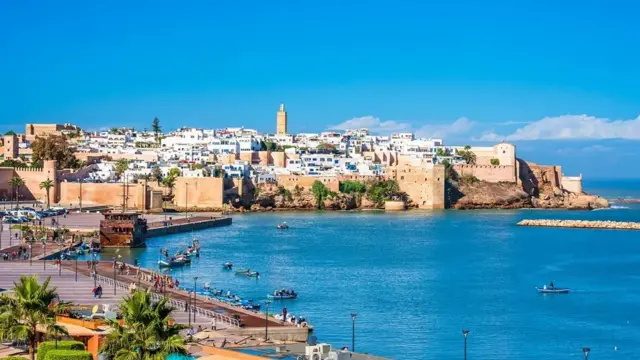
Despite the increasing number of visitors to Morocco, Rabat, which has been chosen as the UNESCO World Book Capital for 2026, remains distant from the noise of tourism. This tranquil coastal city deserves greater attention from tourists, as it possesses a rich history and diverse culture that make it a unique destination.
Rabat is one of the few cities in Morocco that combines modernity and history, hosting numerous tourist attractions that reflect its cultural heritage. Among the most notable landmarks is the Hassan Tower, a historical symbol of the city, along with the ancient Kasbah that dates back to the Middle Ages.
Event Details
The selection of Rabat as the World Book Capital for 2026 by UNESCO reflects the city's importance in promoting culture and reading. This choice comes at a time when interest in literary culture is on the rise globally, enhancing Rabat's status as a distinguished cultural destination. The year 2026 is expected to witness a variety of cultural and literary events, which will further attract tourists and intellectuals to the city.
Rabat aims to leverage this title to enhance cultural tourism, organizing literary exhibitions and seminars, as well as events dedicated to children and youth to foster a love for reading. The city will also work on improving its cultural and artistic infrastructure to make it more appealing to visitors.
Background & Context
Historically, Rabat has been the capital of Morocco since the 17th century and has played a significant role in the country's history. The city is home to numerous historical sites that reflect the influence of various civilizations that have passed through, from the Phoenicians and Romans to French colonialism.
Despite its beauty and rich history, Rabat does not receive the same level of tourist attention as other Moroccan cities like Marrakech and Fez. This may be due to insufficient spotlight on its cultural and historical landmarks, making it less renowned among tourists.
Impact & Consequences
The selection of Rabat as the World Book Capital could have a significant impact on tourism in the city. This title is expected to attract more visitors, contributing to the enhancement of the local economy. Additionally, the cultural events associated with this title will help raise cultural awareness among residents and visitors alike.
Furthermore, this selection could lead to improvements in Rabat's cultural and artistic infrastructure, making it a more attractive destination for tourists. It may also contribute to enhancing cultural cooperation between Morocco and other countries, thereby elevating Morocco's status on the global cultural stage.
Regional Significance
Rabat serves as a model in the Arab region, potentially inspiring other cities to enhance their culture and history. Its selection as the World Book Capital highlights the importance of culture and literature in promoting national identity, encouraging other Arab countries to invest more in culture and the arts.
This event can also contribute to boosting cultural tourism in the region, benefiting the local economy and enhancing cultural exchange among Arab countries.
In conclusion, Rabat, the World Book Capital for 2026, deserves greater attention from tourists. Its rich history and diverse culture make it a unique destination, and visitors should explore its beauty and discover the cultural and historical landmarks it offers.