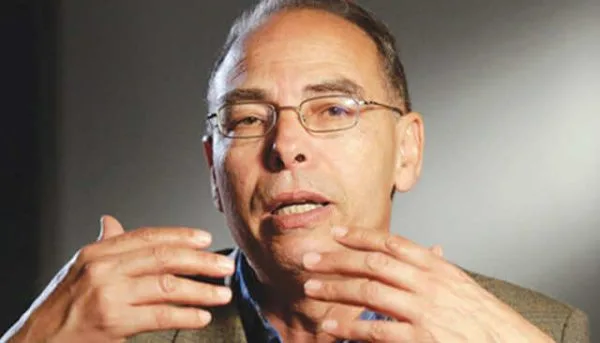
The Moroccan historian Maati Monjib has been living in a state of constant anxiety since 2020, having been barred from leaving the country after being convicted of undermining state security. Although he was granted a royal pardon by King Mohammed VI in 2024, this pardon has not translated into freedom of movement, prompting concerns regarding human rights in the country.
The case against Monjib dates back six years when he was sentenced to prison on charges related to state security, which many viewed as an attack on freedom of expression. This case has sparked widespread debate within cultural and political circles, with some considering it evidence of a decline in freedoms in Morocco.
Details of the Case
In 2020, Maati Monjib, regarded as one of Morocco's leading historians, was arrested on charges related to state security, leading to his conviction and imprisonment. Despite receiving a royal pardon in 2024, Moroccan authorities have not allowed him to leave the country, placing him in a precarious position and raising questions about the sincerity of this pardon.
Monjib is a prominent figure in the fields of history and culture, having significantly contributed to discussions surrounding national identity and human rights in Morocco. However, the restrictions imposed on him reflect the challenges faced by intellectuals in the country.
Background & Context
Historically, Morocco has experienced numerous tensions between the state and intellectuals, with repeated attempts to suppress dissenting voices. In recent years, these tensions have escalated, leading to increased concerns regarding freedom of expression and human rights.
The case of Maati Monjib is part of this broader context, illustrating how government policies can impact individuals' lives, particularly intellectuals who seek to express their opinions freely.
Impact & Consequences
The case of Monjib highlights the negative impact of restrictions on freedom of expression in Morocco, as such limitations can lead to a decline in public discourse and marginalization of dissenting voices. Additionally, the continued travel ban on Monjib may foster a sense of anxiety among other intellectuals, potentially stifling intellectual and cultural creativity in the country.
Furthermore, this case could affect Morocco's image in the international community, where freedom of expression is viewed as a fundamental criterion for measuring democracy and human rights.
Regional Significance
The situation surrounding Maati Monjib sheds light on the challenges facing freedom of expression and human rights in Morocco, calling for international attention. It serves as a reminder of the ongoing struggles faced by intellectuals in the Arab world who seek to voice their opinions without fear of retribution.
In conclusion, the case of Monjib is not just a personal struggle; it is emblematic of the broader issues of freedom and human rights that resonate throughout the region.