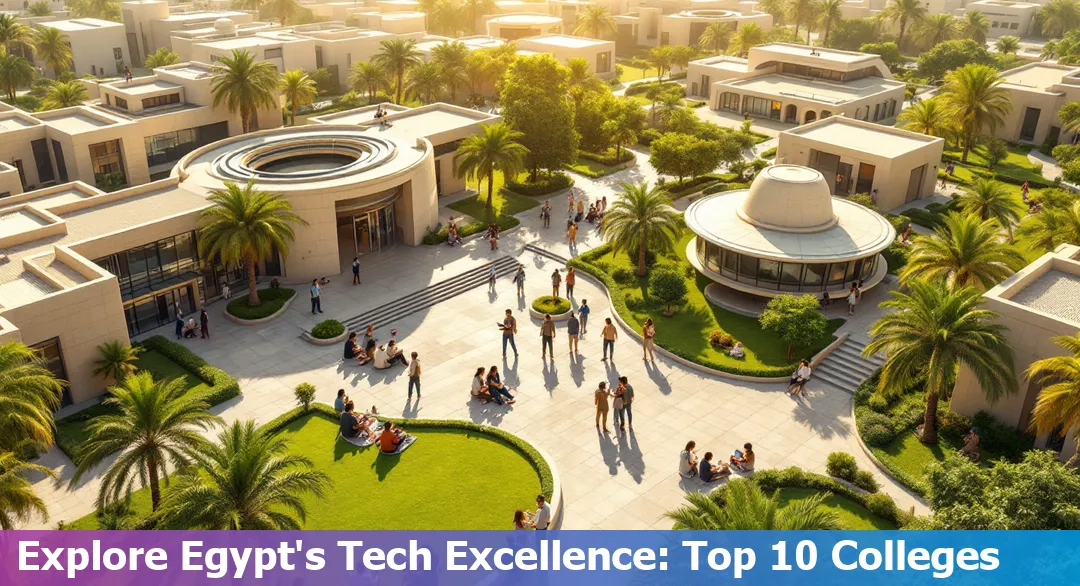
The former Minister of Education emphasized that technological universities are a driving force for development in the new republic, highlighting their vital role in enhancing innovation and technology. He explained that these universities significantly contribute to meeting the increasing demands of the labor market, which reflects the state's vision towards achieving sustainable development.
The minister pointed out that the establishment of technological universities is part of the state's strategy to develop higher education, aiming to provide specialized educational programs that align with global advancements in technology. He also stressed the importance of collaboration between universities and the private sector to provide training and employment opportunities for students.
Event Details
Technological universities aim to offer education focused on practical and applied skills, helping students adapt to market requirements. Several of these universities have been established across various governorates, offering study programs related to modern technologies such as artificial intelligence, programming, and electrical engineering.
The minister noted that these universities are not just educational institutions but also centers for research and development, encouraging students to innovate and conduct research that contributes to solving societal problems. This approach is part of the state's plan to enhance the digital economy and achieve sustainable development.
Background & Context
These statements come at a time when Egypt is witnessing significant transformations in its higher education system, as the government seeks to update curricula and provide an educational environment that aligns with rapid global changes. Technological universities represent a crucial part of these efforts, aiming to prepare a new generation of professionals capable of facing future challenges.
Global experiences in this field indicate the importance of technological education in fostering innovation and increasing productivity. Many countries have demonstrated that investing in technological education can lead to positive long-term outcomes, both in terms of economic growth and improving quality of life.
Impact & Consequences
Technological universities are expected to help bridge the gap between education and the labor market, thereby reducing youth unemployment rates. Moreover, the focus on practical skills will enhance graduates' competitiveness in both local and international job markets.
Additionally, these universities will strengthen the country's ability to attract foreign investments, as having a trained and qualified workforce is a significant factor in attracting global companies. Consequently, the success of these universities may contribute to improving Egypt's image as an educational and investment destination.
Regional Significance
The experience of technological universities in Egypt serves as a model for the Arab region, potentially inspiring other countries to adopt similar strategies. Given the economic and social challenges facing many Arab nations, investing in technological education could be an effective solution for improving economic conditions.
Furthermore, enhancing technological education in the region may contribute to achieving economic integration among Arab countries, allowing for the exchange of expertise and human resources between universities. This would foster Arab cooperation in research and development fields.
In conclusion, technological universities in Egypt represent an important step towards achieving sustainable development, emphasizing the significance of education as a tool for social and economic change. Investing in this sector will have positive impacts on the future of youth and society as a whole.