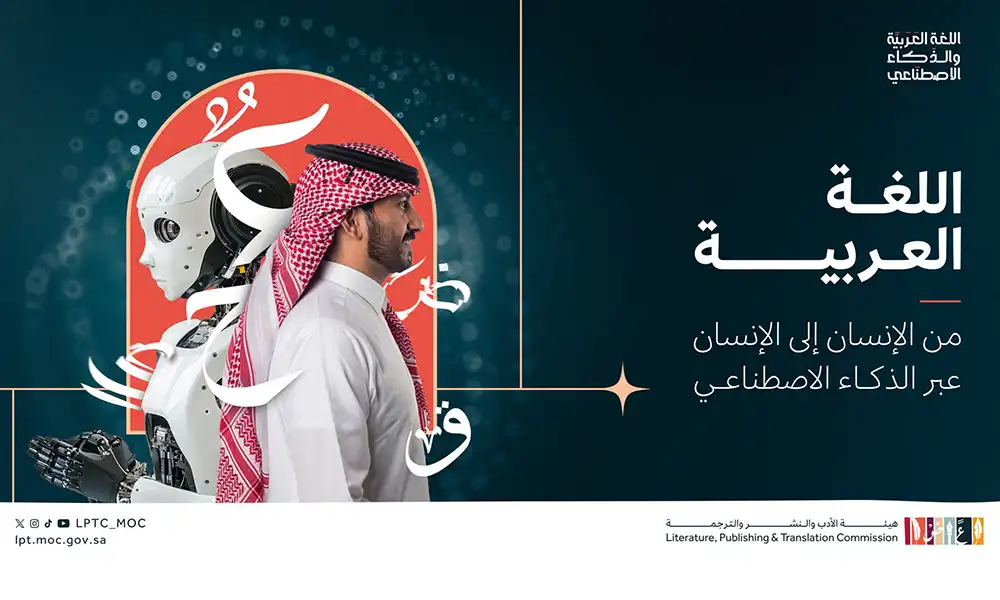
In her discussion about her book 'Letters Without a Reader', the author affirmed that translation represents more than just transferring words from one language to another. It reflects feelings and cultural experiences, serving as a cultural bridge connecting peoples.
She explained that translation plays a vital role in enhancing mutual understanding between cultures, allowing readers worldwide to recognize and experience Arabic literature more deeply.
Event Details
The author spoke about how translation impacts Arabic literature, noting that many Arabic literary works have not received the recognition they deserve due to a lack of quality translations. She emphasized that good translation requires a deep understanding of the culture and context in which the original texts were written.
She also highlighted the challenges faced by translators, such as maintaining the linguistic and cultural authenticity of the texts, which requires special skills and creativity in expression.
Background & Context
Historically, translation has played a pivotal role in transferring knowledge and culture between civilizations. Translations during the Middle Ages contributed to the transfer of philosophy and sciences from Arabic to Latin, enriching European thought.
Today, with the rise of globalization, the need for translating Arabic literature has become more urgent. Arabic literature reflects rich and diverse human experiences and should be accessible to a broader audience.
Impact & Consequences
Translation is a powerful tool for promoting cultural dialogue, as it helps break down linguistic and intellectual barriers. Through translating Arabic literature, the world can learn about the issues and experiences of Arab society, contributing to enhanced mutual understanding.
Moreover, translation opens new horizons for Arab writers, allowing them to reach a global audience, which enhances their chances of publishing their works and achieving international fame.
Regional Significance
Translation contributes to enhancing the Arab cultural identity, reflecting the diversity and richness present in Arabic literature. By publishing Arabic literature worldwide, pride in the Arab cultural heritage can be promoted.
In conclusion, translation remains a vital tool in fostering communication between cultures and underscores the importance of Arabic literature as an integral part of human heritage.