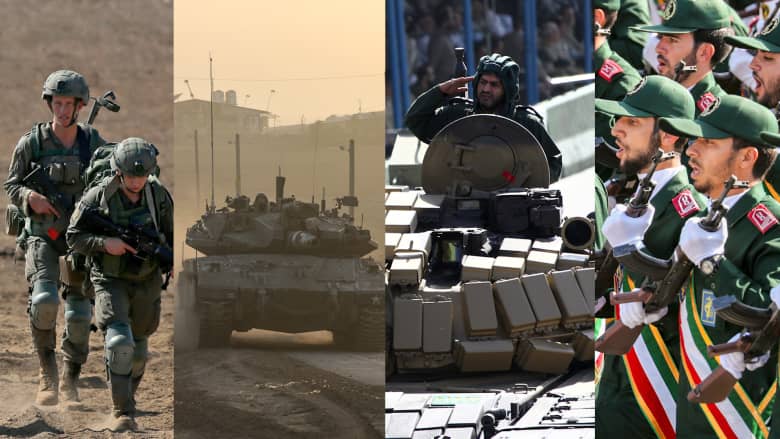
Experts in the defense sector revealed during a discussion on the Bloomberg Deals program that there are notable gaps in the defense spending of countries participating in the Iranian War. Both Irene Price-Wright, a general partner at Andreessen Horowitz, and Ian Fujiyama, head of the aviation, defense, and government sector at The Carlyle Group, along with Mark Maringo, co-head of investment banking at JP Morgan, pointed to the significant challenges faced by nations in enhancing their military capabilities under the current circumstances.
These statements come at a time when tensions are escalating in the Middle East, as countries strive to improve their defense strategies to counter increasing threats. The importance of reassessing defense spending strategies to ensure that nations can meet future challenges was highlighted.
Details of the Discussion
During the discussion, several aspects related to defense spending gaps were addressed, with experts noting that many countries still suffer from a lack of resources necessary to enhance their military capabilities. It was emphasized that these gaps could significantly impact the ability of nations to respond to potential military crises.
The importance of innovation in the defense sector was also discussed, with experts indicating that investment in modern technology could help countries improve their military capabilities and reduce gaps in defense spending. They stressed the need for cooperation among nations to enhance regional security.
Background & Context
Historically, the Middle East has witnessed numerous armed conflicts that have led to significant changes in defense spending strategies. Since the beginning of the 21st century, tensions among countries in the region have increased, prompting them to reassess their military strategies.
The Iranian War, which began in 1980 and lasted for eight years, was a turning point in how nations dealt with military threats. Since then, countries have become more aware of the importance of enhancing their defensive capabilities, leading to increased defense spending in recent years.
Impact & Consequences
The repercussions of defense spending gaps extend beyond national borders, potentially affecting regional and international security. If these gaps persist, countries may face greater risks in confronting military threats, which could lead to an escalation of conflicts in the region.
Moreover, the lack of defense resources could lead to increased reliance on foreign powers, undermining the ability of nations to make independent decisions regarding their defense policies. This could result in negative consequences for regional stability.
Regional Significance
In the Arab context, defense spending gaps are a vital issue. Many Arab countries face similar challenges in enhancing their military capabilities, especially amid ongoing crises in the region. Improving defense spending strategies could assist Arab nations in bolstering their security and stability.
Furthermore, cooperation among Arab countries in the defense sector could contribute to reducing spending gaps and enhancing regional security. It is crucial for nations to adopt comprehensive strategies that focus on innovation and technology to strengthen their military capabilities.