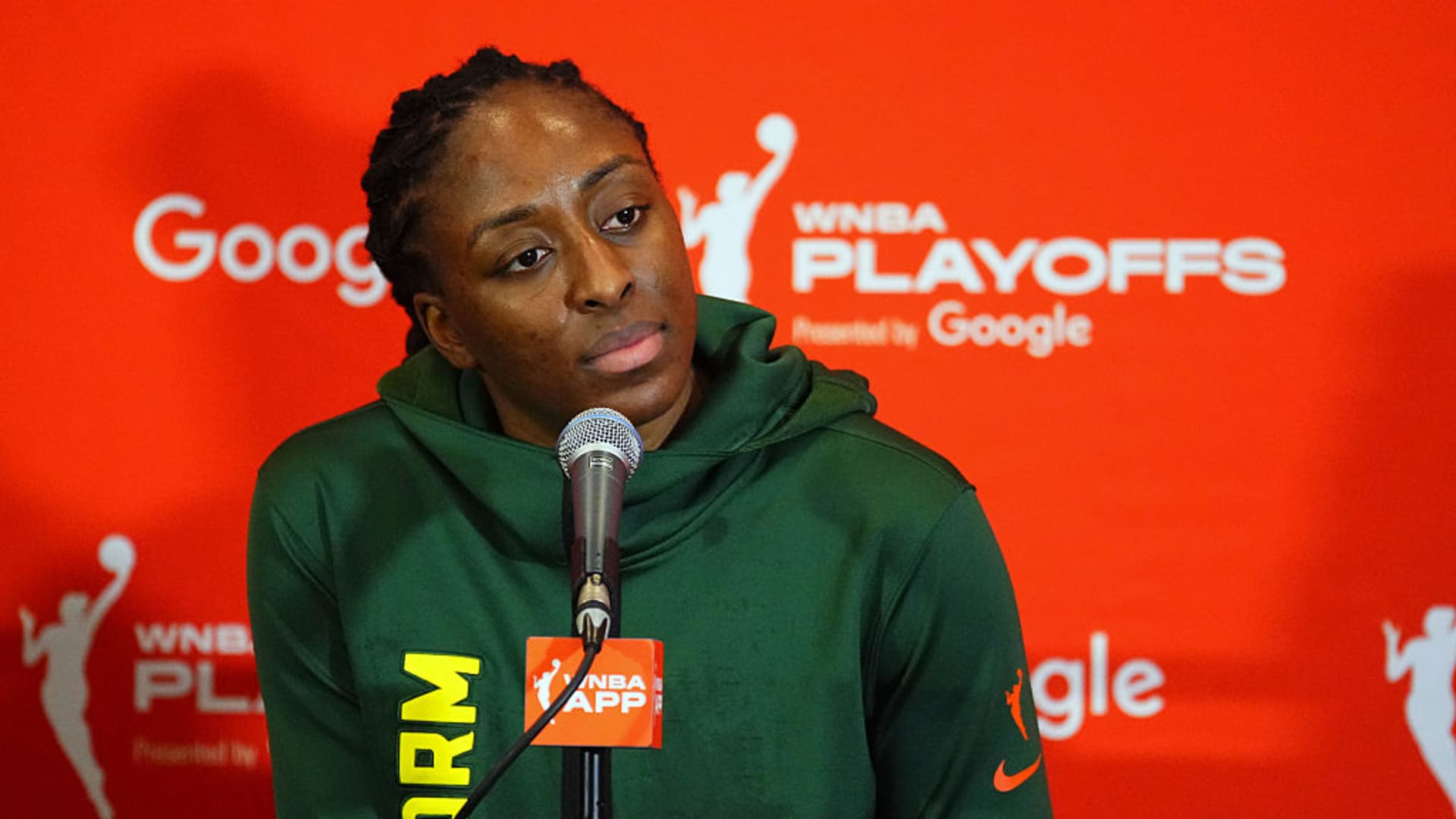
The Women's National Basketball Players Association (WNBPA) has ratified a new collective bargaining agreement that is considered a "transformation" and "bigger than basketball." This agreement, which came into effect at the start of the current season, will extend until 2032.
In an interview with CNBC, the association's president Nneka Ogwumike confirmed that the notable increase in player salaries could change their lifestyles during the off-season.
Details of the Agreement
According to the new agreement, the average salary for players will increase to $583,000 by 2026, with the potential to exceed $1 million by 2032. Additionally, the maximum salary cap is set at $1.4 million in 2026, with expectations to rise to over $2.4 million by 2032.
Ogwumike expressed the significance of these changes in determining how players spend their off-season, noting that most players previously played basketball overseas or in other leagues to supplement their income due to low salaries.
Background & Context
Historically, female players in the Women's National Basketball Association have faced significant challenges regarding wages and working conditions compared to their counterparts in other sports. In 2025, the average salary was $120,000, prompting many players to seek opportunities outside the United States.
The increasing pressure from players to improve their financial conditions led to a series of discussions and agreements between the association and the players, culminating in this historic agreement.
Impact & Consequences
The new agreement represents a turning point in how players are valued and acknowledges their abilities and worth. The existence of a salary structure tied to league revenues means that players will be able to achieve financial entitlements that reflect their performance and contributions.
This change is not merely an increase in wages; it carries broader implications for how the league is managed and the future of the players, including opportunities to enhance their roles and status in the sport.
Regional Significance
In the Arab region, this model of agreements serves as an inspiration for women's sports leagues. With increasing interest in women's sports in countries like Egypt and Jordan, Arab federations may emulate these approaches to improve the conditions for female basketball players and athletes in other sports.
In conclusion, this transformation represents a positive step towards enhancing the rights of female athletes worldwide and may inspire more similar movements in the future.