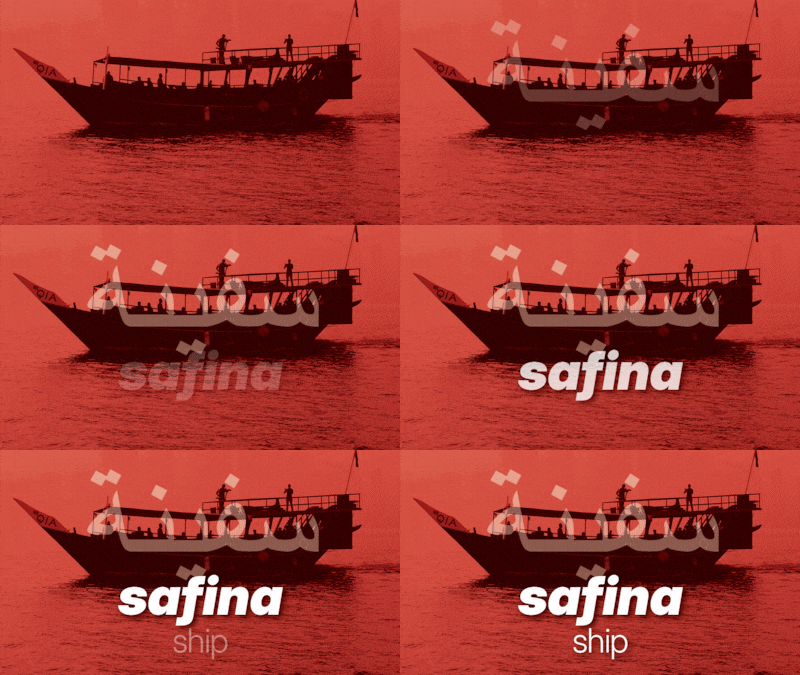
The term 'ship' in Arabic is more than just a term used to refer to a means of maritime transport. It carries with it an ancient history that spans thousands of years, where ships were used as a means of trade and travel between various civilizations. This word reflects the rich heritage that connects peoples and cultures in the Arab region.
The origins of the word 'ship' trace back to ancient Arabic roots, where it was used to refer to maritime transport means that contributed to the development of trade between nations. Ships played a vital role in transporting goods and people, helping to strengthen cultural and economic ties between different communities.
Details of the Event
The history of ships in the Arab world dates back to ancient times, where they were used in maritime trade across the Red Sea and the Arabian Gulf. Ships were made of wood and equipped with large sails, allowing them to sail long distances. These ships contributed to the transport of spices, silk, and agricultural products, making them an essential part of the Arab economy.
Over time, shipbuilding in the Arab world evolved, with new techniques introduced to improve performance and efficiency. These developments enhanced maritime trade, leading to the prosperity of coastal cities such as Basra and Tripoli.
Background & Context
Ships are an integral part of the history of ancient civilizations, as they were used for travel between continents. In Phoenician civilization, for example, ships were used for trade with Egypt and Greece, helping to spread Phoenician culture over vast areas. Additionally, Arabs in the Middle Ages developed new techniques in shipbuilding, aiding them in controlling maritime trade routes.
The history of ships in the Arab world is not merely a commercial history; it is also a cultural history. Ships were used to transport ideas and arts between different cultures, contributing to the formation of the cultural identity of many peoples.
Impact & Consequences
The impact of ships on trade and culture is undeniable. They contributed to strengthening relationships between nations and peoples, leading to the exchange of ideas and innovations. Ships were also used in wars, as they were considered a strategic means of transporting troops and equipment.
In modern times, ships continue to play a vital role in global trade. With the increasing movement of maritime trade, it has become essential to develop ports and maritime infrastructure to meet the needs of the global market.
Regional Significance
Ships are considered a symbol of Arab heritage, reflecting a long history of exploration and trade. With the growing interest in maritime tourism, ships can play an important role in boosting the local economy by attracting tourists to coastal cities.
In conclusion, the term 'ship' is more than just a linguistic term; it is a symbol of a long history of travel, trade, and culture in the Arab world. Understanding this history can help us appreciate the rich cultural heritage we possess.