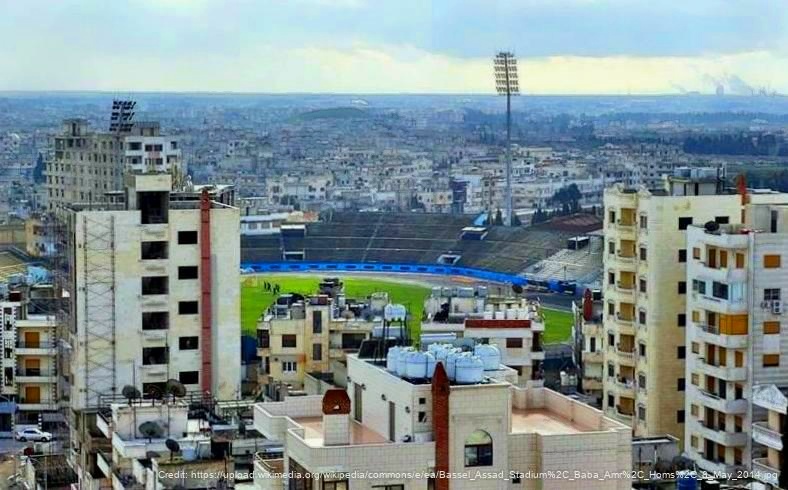
Homs has transformed into a symbol of humor and madness within Syrian culture. This article delves into the social dynamics and cultural identity reflected through the jokes that have emerged from this city.
Communities always retain satirical images of themselves, and these images evolve over time into a part of the cultural memory of nations. Each people has its own jokes that reflect their social mood or their perspective on the world. The English are described as cold, the Scots as stingy, and the Italians as brave. In the Arab world as well, cities and countries have exchanged jokes, sometimes with a light spirit and sometimes as part of social competition.
Details of the Event
Homs, located in central Syria, is one of the cities associated with numerous jokes that reflect the humor of its residents. Over time, these jokes have become part of the cultural identity of the city, shared among people on various occasions. These jokes highlight aspects of daily life and shed light on the challenges faced by the residents, making them an expression of their reality.
The jokes range from funny situations to everyday events, showing how people can find joy in the smallest details. These jokes also reflect the community's ability to adapt to difficult circumstances, as humor is used as a means to cope with pressures.
Background & Context
Historically, Homs has been an important cultural and commercial center in Syria, witnessing numerous historical events that shaped its identity. Over the ages, the city has been influenced by various cultures, contributing to its unique character. With the outbreak of conflict in Syria, the residents of the city have had to face new challenges, leading to the emergence of jokes that reflect these changes.
These jokes manifest in many forms, from folk tales to cartoons, reflecting the diversity of artistic expression in the city. Moreover, these jokes are not merely a means of entertainment; they also reflect the depth of the human experience in facing crises.
Impact & Consequences
The impact of jokes on the community in Homs goes beyond mere humor, as they play a role in strengthening social bonds among individuals. Through the exchange of jokes, people can express their feelings and thoughts indirectly, facilitating communication between different generations.
These jokes also reflect the community's resilience in the face of challenges. In difficult circumstances, humor helps alleviate tensions and foster hope, enabling people to overcome daily hardships.
Regional Significance
The experience of Homs serves as a model that can be applied to many other Arab cities facing similar challenges. Humor and jokes play a significant role in enhancing cultural identity and help communities navigate crises. In many Arab countries, one can see how jokes reflect the general mood and assist in building a cohesive society.
This phenomenon demonstrates how humor can be a powerful tool in confronting difficulties, reflecting the spirit of challenge and creativity among peoples. Jokes are not just a means of entertainment; they are an expression of identity and culture that transcends borders.
In conclusion, Homs remains a city of jokes and madness, reflecting the spirit of its inhabitants and their ability to face challenges with a cheerful attitude. The jokes shared across generations reflect a long history of resilience and creativity, making them an integral part of Syrian cultural memory.