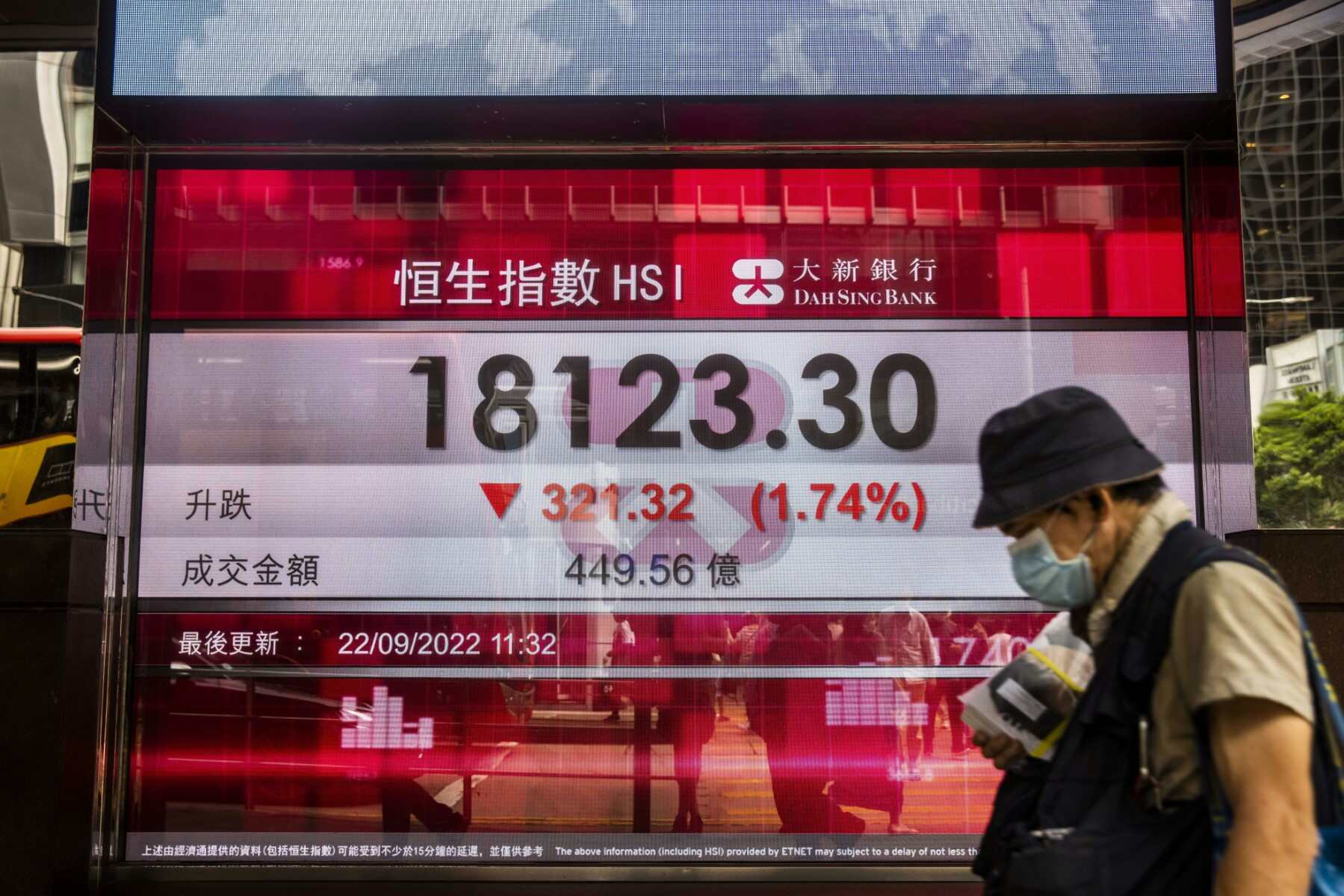
The Hong Kong government is considering the implementation of significant tax cuts for hedge funds, with reports indicating that expanding the loaded interest system could mean the elimination of taxes on performance fees. This proposal comes at a time when Hong Kong is striving to enhance its status as a global financial center amid increasing competition from other cities.
This move is part of a broader strategy aimed at attracting more foreign investments and boosting economic activity in the city. The government has shown considerable interest in developing a more attractive business environment for investors, especially in light of global economic challenges.
Details of the Proposal
The government's plan includes expanding the scope of the loaded interest system, which allows investors to reduce taxes imposed on profits generated from their investments. If these changes are implemented, they would lead to a significant reduction in operational costs for hedge funds, potentially making Hong Kong a preferred destination for investors.
Performance fees are a crucial part of the hedge fund business model, as they are collected based on the fund's performance. Therefore, eliminating taxes on these fees could encourage more investors to enter the market, enhancing Hong Kong's ability to compete with other financial centers such as New York and London.
Background & Context
Historically, Hong Kong has been one of the world's leading financial centers, boasting an attractive tax system and a flexible business environment. However, the city has faced significant challenges in recent years, including political protests and the impact of the COVID-19 pandemic on the economy. These factors have prompted the government to reassess its economic strategies.
In recent years, Hong Kong has taken multiple steps to enhance its attractiveness, including previous tax cuts and incentives for foreign investors. However, ongoing challenges require more innovative strategies to attract investments and maintain its position as a leading financial hub.
Impact & Consequences
If these tax cuts are implemented, they could lead to a substantial influx of investments into Hong Kong, boosting economic growth and creating new job opportunities. However, there are concerns that this move may widen the gap between the rich and the poor, as it primarily benefits large corporations and hedge funds.
Moreover, these policies could affect economic relations with other countries, as tax cuts may be perceived as an unfair means of competing in the global market. The government must balance attracting investments while maintaining social equity within the community.
Regional Significance
As Hong Kong seeks to enhance its status as a financial center, this move could serve as a lesson for Arab countries aiming to attract foreign investments. For instance, countries like the United Arab Emirates could benefit from this experience by improving their investment environments and offering similar incentives to attract investors.
Furthermore, the shift towards tax reductions may encourage Arab countries to reassess their tax policies to make them more appealing to investors, potentially contributing to economic growth in the region.
The steps taken by Hong Kong to enhance its attractiveness as a financial center may have far-reaching implications, not only for the city's economy but also for global and regional economies. Other countries should closely monitor these developments and learn from them.