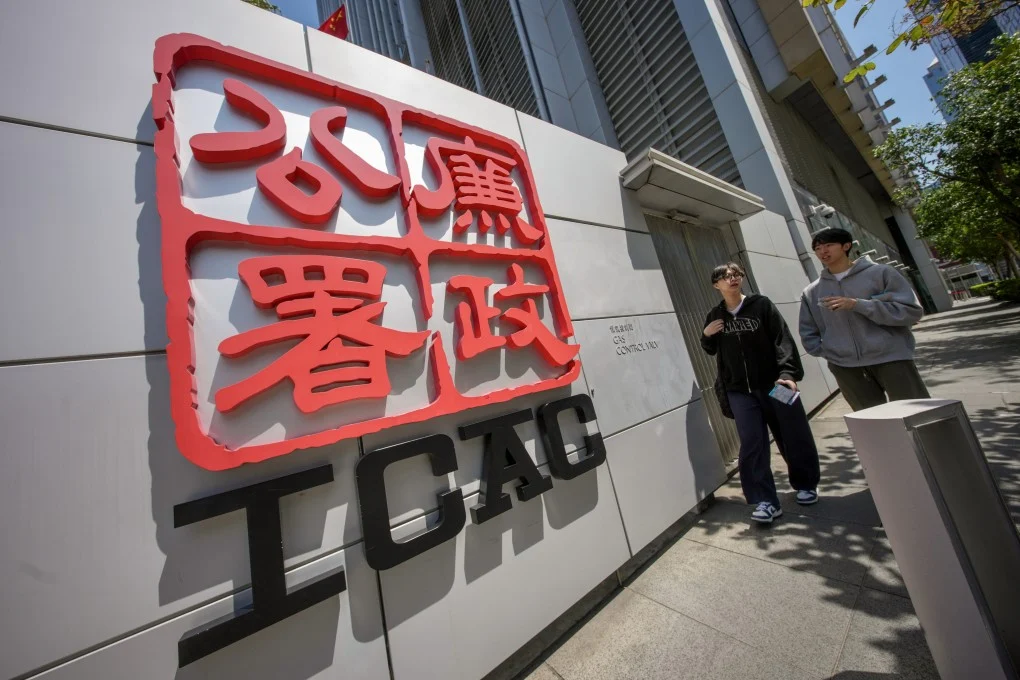
A court in Kwun Tong, Hong Kong, has sentenced professor Leo Hongbin, who previously held a chair position at the Hong Kong University of Science and Technology, to prison for accepting a bribe of HKD 40,000 (approximately USD 5,109) to assist a Chinese student in gaining admission to a graduate program.
During the court session, evidence was presented proving professor Leo's involvement, as investigations revealed that he exploited his academic authority to provide financial envelopes to colleagues to facilitate the student's acceptance. This case ignites a debate about academic corruption and the importance of maintaining educational integrity.
Details of the Case
Colleagues of professor Leo were summoned as witnesses, confirming that they received the financial envelopes. This case highlights the risks educational institutions face when power is abused for personal gain.
This incident is part of a series of academic scandals that have plagued universities in Hong Kong, reflecting the urgent need to enhance transparency and integrity in higher education.
Background & Context
Historically, Hong Kong has been known for its robust educational system, but academic corruption poses a serious threat to this reputation. In recent years, the region has witnessed several corruption cases, leading to calls for radical reforms in the educational system.
Impact & Consequences
This case demonstrates the importance of strengthening laws and regulations governing educational institutions, which may lead to changes in academic policies and stricter penalties for violators. It could also impact the reputation of the Hong Kong University of Science and Technology and its ability to attract international students.
Regional Significance
The implications of this case extend beyond the individual professor, as it raises broader questions about the integrity of higher education in Hong Kong. The ongoing scrutiny may prompt educational authorities to take decisive actions to restore public trust.
In conclusion, this case serves as a critical reminder of the need for vigilance against corruption in academia and the importance of fostering an environment of integrity and transparency in educational institutions.