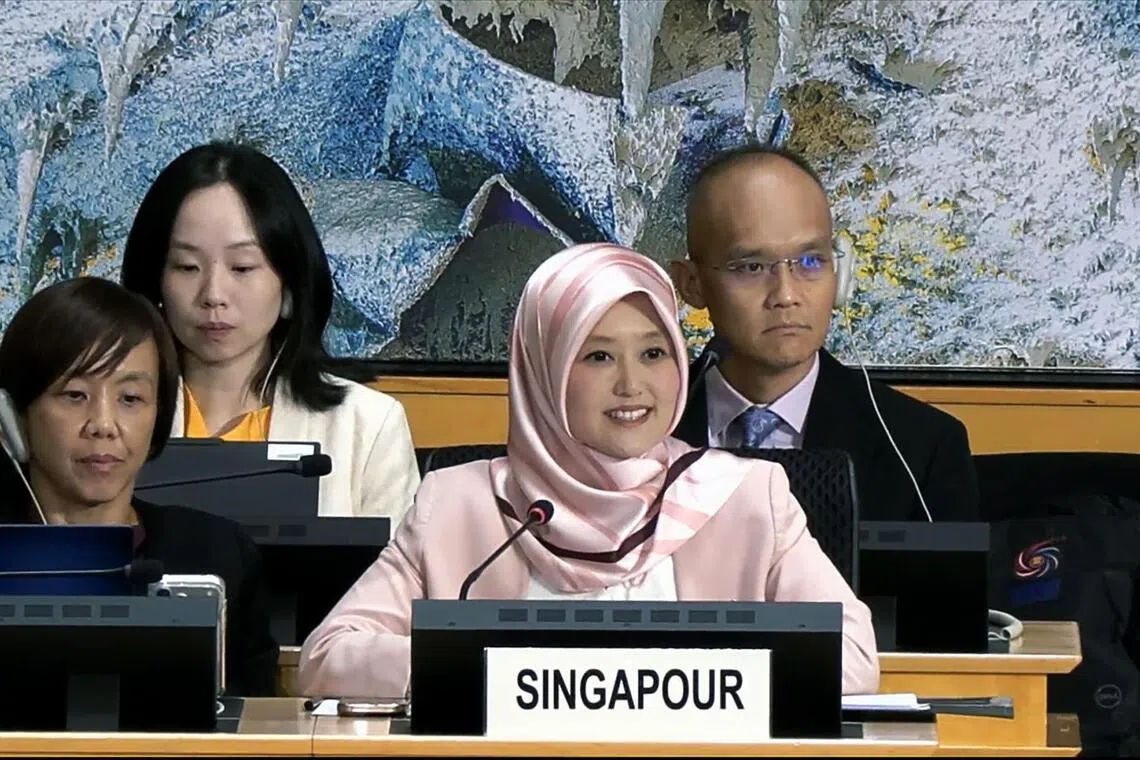
In the context of the global human rights review organized by the United Nations, a group of countries made urgent calls for Singapore to abolish the death penalty. These appeals are part of ongoing efforts to improve the human rights record in the country, where Singapore is considered one of the few nations that still widely applies this punishment.
The countries speaking during the review emphasized the importance of respecting human rights, noting that the death penalty contradicts the right to life. Representatives pointed to increasing evidence that this punishment does not contribute to reducing crime, but may exacerbate social issues.
Details of the Review
During the review session, several human rights issues in Singapore were highlighted, including freedom of expression and minority rights. Countries expressed concern over the use of the death penalty in drug-related cases, where it is strictly enforced against convicts.
The discussions also addressed other topics such as women's rights and the rights of migrant workers, with observers noting the urgent need to improve living conditions for these workers, who represent a significant portion of the workforce in Singapore.
Background & Context
Historically, Singapore is known for its strict enforcement of laws, including the death penalty, which has been adopted as a means to curb crime. Over time, voices calling for a reconsideration of this punishment have begun to grow, although the government remains steadfast in its position, considering its application essential for maintaining public safety.
Impact & Consequences
The calls for the abolition of the death penalty in Singapore are part of a broader movement seeking to promote human rights globally. If the government responds to these calls, it could significantly affect how other countries deal with human rights issues and may lead to changes in legal policies in other nations that still implement this punishment.
Regional Significance
Highlighting human rights issues in Singapore may encourage other countries to reconsider their policies regarding the death penalty. The international community's scrutiny could lead to a ripple effect, inspiring movements for reform in nations that maintain similar legal practices.
In conclusion, the ongoing dialogue surrounding the death penalty in Singapore reflects a critical juncture in the global human rights landscape, where the interplay of national policies and international advocacy continues to shape the future of justice.