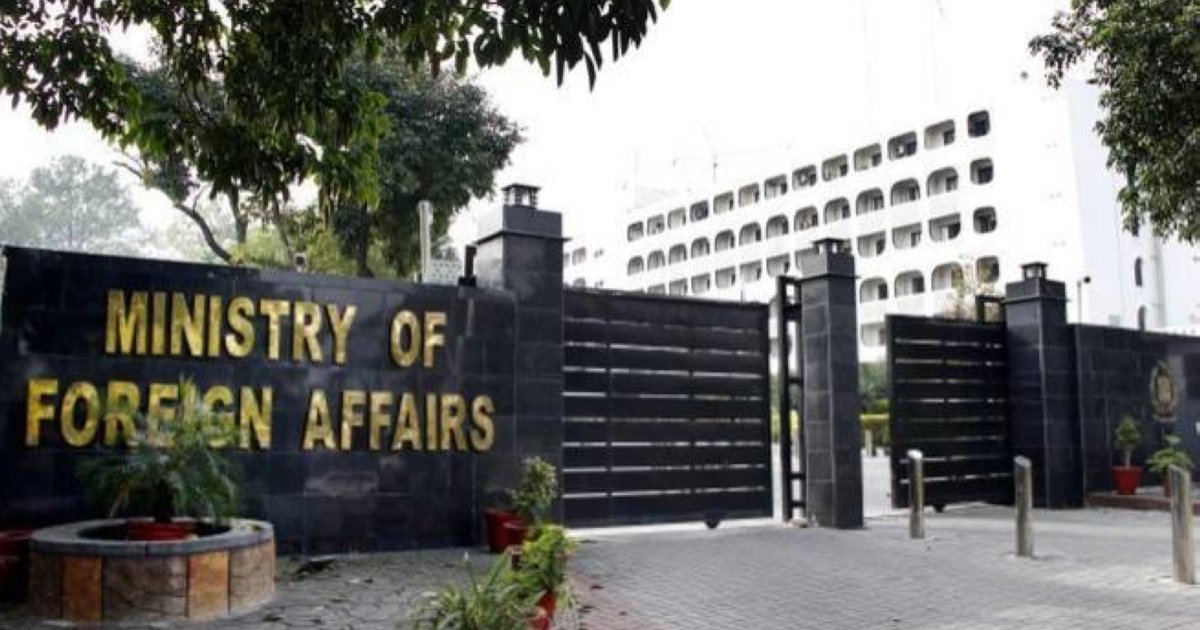
Islamabad is preparing to host a quadrilateral meeting on Sunday, featuring the foreign ministers of Saudi Arabia, Turkey, and Egypt, aimed at exploring ways to reduce tensions in the Middle East. The meeting, which will last for two days, comes at a time when the region is witnessing escalating political and military crises.
The Pakistani Foreign Ministry reported that the four ministers will engage in in-depth discussions on a range of issues, including efforts to mitigate regional tensions. The meeting will be chaired by Pakistan's Foreign Minister and Deputy Prime Minister Mohammad Ishaq Dar, who emphasized that the meeting aims to promote regional stability.
Event Details
In his statements, Ishaq Dar mentioned that the meeting was originally scheduled to take place in Turkey but was relocated to Islamabad due to scheduling constraints. He clarified that Pakistan is diligently working to resolve ongoing disputes and enjoys strong support from friendly nations. He also noted that discussions are ongoing with Iran; however, due to the sensitivity of the negotiations, officials are avoiding public statements.
Dar further added that the four ministers will hold separate meetings with Pakistani Prime Minister Shehbaz Sharif on Monday, reflecting the importance of these talks within the framework of regional diplomatic efforts.
Background & Context
This initiative comes at a time when the Middle East is experiencing heightened conflicts, with increasing tensions among several countries. Pakistan, aiming to act as a mediator in these crises, hopes that these meetings will contribute to achieving peace and stability. Prime Minister Shehbaz Sharif, in a televised address, stated that Pakistan is undertaking sincere and comprehensive diplomatic efforts to help end the ongoing conflict.
During a one-hour phone call with Iranian President Masoud Pezeshkian, Shehbaz Sharif discussed regional tensions and ways to enhance peace efforts. Pezeshkian emphasized the necessity of building trust for negotiations, praising Pakistan's role in the peace process.
Impact & Consequences
The success of this meeting could open new avenues for peace in the Middle East, which has been plagued by ongoing conflicts. If the four nations can reach a consensus on key issues, it may lead to a de-escalation of tensions and increased opportunities for regional cooperation.
Moreover, Pakistan plays a pivotal role in conveying messages between the United States and Iran, reflecting the international community's confidence in its ability to contribute to conflict resolution. This dynamic could enhance Pakistan's status as a key mediator in regional issues.
Regional Significance
Given the ongoing events, the outcomes of this meeting could directly impact the situation in Arab countries, where political and economic interests intersect. Strengthening cooperation among Arab nations, Turkey, and Pakistan could contribute to greater stability in the region, benefiting all parties involved.
In conclusion, this meeting represents an important opportunity to renew diplomatic efforts in the Middle East and reflects the commitment of the participating countries to achieve peace and stability. The success of these talks could pave the way for further regional cooperation and enhance the prospects for lasting peace.