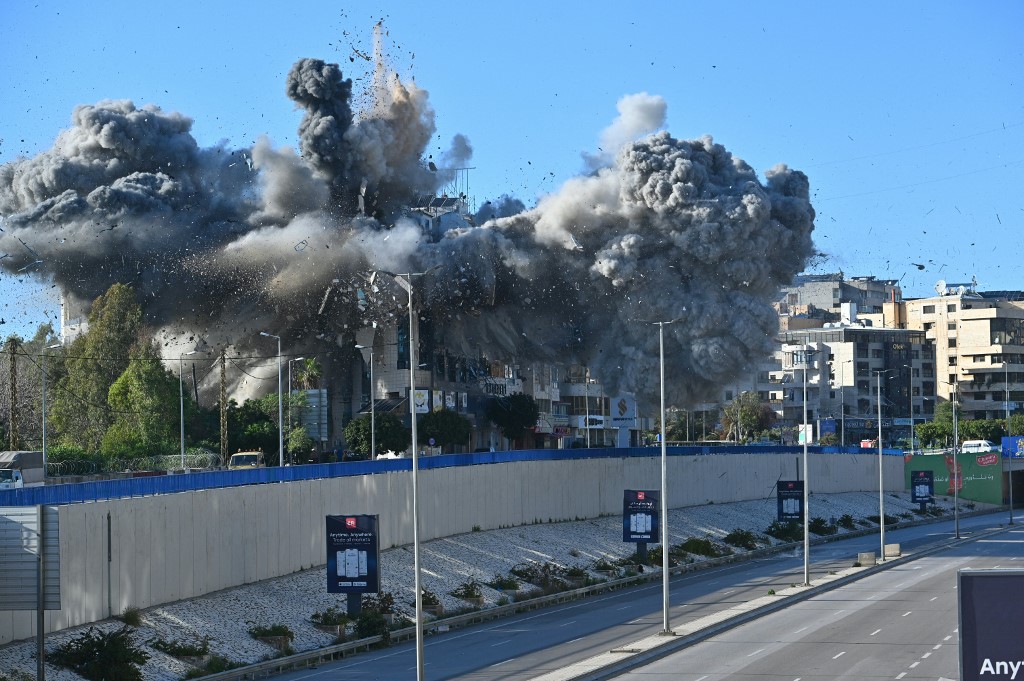
The Houthi group in Yemen has declared that it has carried out a military operation using a series of ballistic missiles, targeting what it described as vital Israeli sites. This announcement was made in an official statement published by the group's Al-Masirah channel, where it confirmed that the attack was coordinated with both Iran and Hezbollah, claiming that the operation successfully achieved its objectives.
In a related context, Houthi military spokesperson Yahya Saree stated that the group would respond to any escalation or de-escalation in the current situation, indicating the possibility of expanding military operations in the future. The group also confirmed that its participation in the American-Israeli war against Iran would be gradual and could expand based on developments.
Details of the Attack
The Houthi attack comes at a sensitive time, as tensions in the region have escalated due to the ongoing conflict between Iran and the United States and its allies. Reports indicate that the Israeli military managed to intercept one of the missiles launched from Yemen, reflecting the security challenges faced by Israel amid these developments.
This attack is considered the first of its kind executed by the Houthi group against Israel, raising questions about the potential escalation of conflict in the region. The Houthis, who control large parts of Yemen, see themselves as part of the resistance axis that includes Iran and Hezbollah, demonstrating their readiness to conduct military operations beyond their borders.
Background & Context
The Houthi group was established in the early 1990s and emerged as a major force in the Yemeni conflict following the outbreak of civil war in 2015. Since then, the group has received military and logistical support from Iran, complicating the conflict in the region. The Houthis consider themselves defenders of Shia rights in Yemen and oppose foreign interventions in their country’s affairs.
On the other hand, Israel views any threat from the Houthis as a direct threat to its national security, especially given the existence of ballistic missiles that could reach its territory. This escalation could lead to military responses from the Israeli side, further heightening tensions in the region.
Impact & Consequences
This attack could lead to greater military escalation in the region, as other countries may intervene in the conflict. The Arab coalition led by Saudi Arabia against the Houthis may feel the need to respond to this attack, potentially leading to further escalation in the Yemeni conflict. Additionally, this escalation could affect relations between Iran and Western countries, especially amid ongoing nuclear talks.
Moreover, this escalation may increase tensions between Israel and Iran, as Israel considers any threat from the Houthis as part of Iran's broader strategy in the region. This situation could pave the way for more Israeli military operations against Iranian targets in the area.
Regional Significance
This military escalation could significantly impact security and stability in the Arab region. Neighboring countries to Yemen, such as Saudi Arabia, may feel a heightened threat due to these operations, leading to increased military spending and enhanced air defenses. The situation in Yemen could also be further affected, as the escalation may exacerbate the already deteriorating humanitarian conditions.
In conclusion, this Houthi attack on Israel represents a turning point in the regional conflict, potentially leading to greater military escalation and complicating the situation in the area. It is crucial to closely monitor upcoming developments, as any further escalation could impact regional and international security.