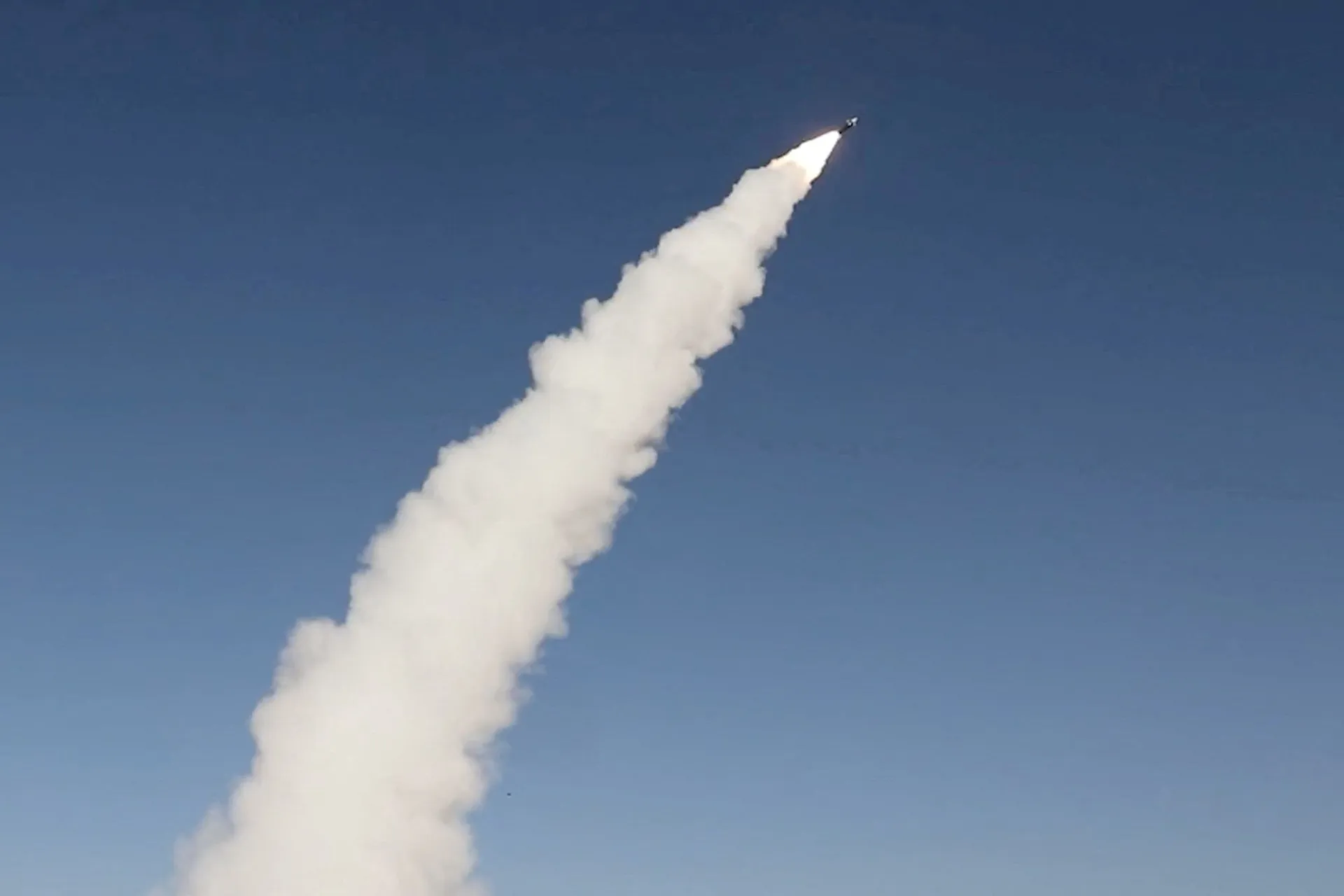
Military and strategic expert Brigadier General Elias Hanna revealed that the entry of the Houthi group into the confrontation with Israel is a significant factor in draining Israeli air defenses, which are already suffering from a severe shortage of resources. Hanna explained that southern Israel is now under threat from the Houthis, while Iran plays a central role and Hezbollah operates in the north, leading to a systematic depletion of all defensive layers that Israel possesses.
Brigadier General Hanna emphasizes that this shift occurs within the context of radical changes in the regional geopolitical environment, warning that the situation has completely changed from what it was during the Gaza War. The confrontation has transitioned from a limited conflict to an open American-Israeli war against Iran, with a unified front that includes the Houthis, Lebanon, and Iraq simultaneously.
Details of the Event
Journalist Salam Khadr reviewed the developments of the recent war through an interactive map, noting that the entry of the Houthis came through the launch of two cruise missiles towards Israel, which the Israeli side has acknowledged. This indicates that the Houthis have managed to cover a distance of at least 2,000 kilometers, reminiscent of what occurred during the war on Gaza, where the Houthis were engaged for nearly 700 days, with more than 137 direct attacks on Israel.
Khadr questioned the fate of the Bab al-Mandab Strait, pointing out that the strategic importance of this location could be affected by the ongoing developments. The Houthis' ability to strike deep into Israeli territory raises concerns about the effectiveness of Israel's air defense systems and its overall military strategy in the region.
Background & Context
The Houthi movement, officially known as Ansar Allah, has been involved in the Yemeni civil war since 2014, gaining significant military capabilities over the years. Their recent missile launches towards Israel mark a new phase in their military strategy, indicating a shift from a purely defensive posture to a more aggressive stance against perceived enemies in the region.
This development is not isolated; it reflects a broader trend of increasing Iranian influence in the region, particularly through proxy groups like the Houthis and Hezbollah. The strategic alliance between these groups poses a significant challenge to Israeli security and complicates the already volatile situation in the Middle East.
Impact & Consequences
The implications of the Houthis' actions are profound. As they continue to target Israel, the pressure on Israeli air defenses will likely increase, forcing Israel to allocate more resources to counter these threats. This could lead to a diversion of attention from other fronts, particularly in the context of ongoing tensions with Hamas and other militant groups.
Moreover, the situation could escalate into a broader conflict involving multiple actors, including Iran and its allies. The potential for miscalculations or unintended escalations is high, which could have dire consequences for regional stability and security.
Regional Significance
The regional significance of this development cannot be overstated. The Houthis' ability to strike Israel represents a new chapter in the ongoing struggle for influence in the Middle East. It highlights the interconnectedness of various conflicts in the region, where actions in one area can have ripple effects across others.
Furthermore, this situation could embolden other militant groups in the region, encouraging them to adopt similar strategies against Israel and its allies. The potential for a coordinated response among these groups could lead to a more complex and dangerous security environment.
In conclusion, the entry of the Houthis into the confrontation with Israel marks a significant shift in the regional balance of power. As the situation continues to evolve, it will be crucial for all parties involved to navigate these challenges carefully to avoid a larger conflict.