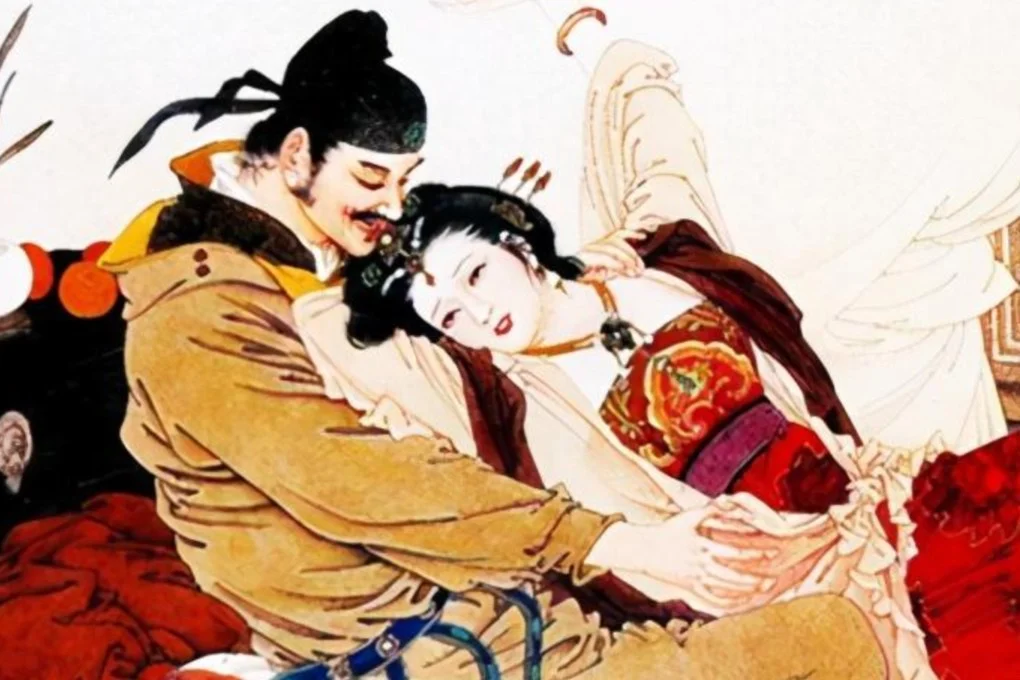
In ancient times, winter in China was a test of social classes. During the Han Dynasty (206 BC - 220 AD), emperors used special rooms known as 'warm rooms' to protect themselves from the harsh winter cold. These rooms were specifically designed to provide warmth, with walls adorned with a mixture of clay and Sichuan peppercorns, which helped retain heat and resist moisture and insects.
These rooms were not merely places for rest; they reflected the luxury and prestige enjoyed by emperors and nobles. While everyone else shared the cold of winter, warmth was confined to the corridors of the palaces.
Details of the Warm Rooms
Historically, warm rooms were considered architectural innovations that helped emperors cope with the harshness of winter. The walls were carefully constructed to be insulating, and curtains and screens were used to maintain heat and prevent cold air from entering. These methods reflected the emperors' concern for their health and comfort at a time when heating methods were limited.
These rooms exemplify how architectural technology was utilized at that time to face climatic challenges. Such innovations contributed to improving the quality of life within the palaces, making them comfortable places to live even in the harshest conditions.
Background & Context
The Han Dynasty represents a significant historical period in China, marked by considerable advancements in culture, arts, and sciences. This era was known for its progress in various fields, including architecture. Advanced architectural techniques were employed in palace construction, enhancing the living conditions for emperors.
The use of warm rooms also reflects the class distinctions in ancient Chinese society, where the wealthy enjoyed comforts that were unavailable to lower classes. This disparity in living conditions illustrates the challenges faced by society at that time.
Impact & Consequences
These architectural innovations demonstrate how climatic conditions can influence the development of societies. Warm rooms helped emperors maintain their health and well-being, which had a direct impact on the stability of governance during that period. Additionally, these methods may have inspired architects in later eras.
These innovations continue to influence modern architecture, where similar techniques are used in building designs to provide comfort and warmth. This highlights how history can offer valuable lessons for the future.
Regional Significance
While this story may seem distant from the Arab region, there are similarities in how societies have dealt with climatic challenges. In the Arab world, there were also architectural innovations to cope with heat and cold, such as the use of arches and high windows in Islamic architecture.
These cultural connections illustrate how communities around the world have always sought to improve living conditions through innovation and adaptation to their surrounding environment.
In conclusion, the warm rooms of ancient China exemplify how innovation was used to confront climatic challenges. These rooms reflect the luxury and prestige enjoyed by emperors and demonstrate how history can teach us much about coping with difficult conditions.