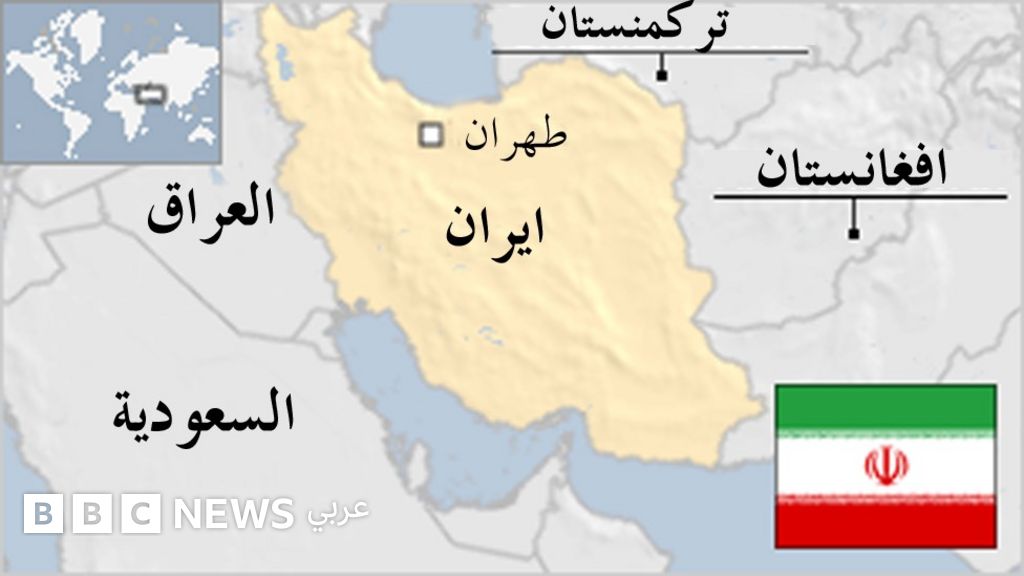
The ongoing war in Iran highlights the critical role of geographical realities in shaping lives, surpassing the influence of digital technology. This conflict underscores the significance of geographic location in contemporary struggles, where geographical factors intertwine with political and economic dynamics.
Iran is considered one of the strategic countries in the Middle East, where its geographic location dictates many regional and international interactions. The recent war in Iran, which began amid escalating tensions with Western powers, illustrates how geography is not merely boundaries on a map but a decisive factor in determining the fate of peoples and nations.
Event Details
The war in Iran is not just a military conflict; it embodies a long-standing struggle between regional and international powers. Economic and political interests are intertwined in this war, as Iran seeks to enhance its influence in the region while Western powers aim to diminish that influence. These dynamics demonstrate how geography plays a fundamental role in shaping the trajectories of conflict.
Neighboring countries are also affected by this war, as Iran shares borders with many Arab nations. Therefore, any escalation in the conflict can directly impact security and stability in the region. Additionally, the flow of refugees and resources resulting from the war can create new crises in neighboring countries.
Background & Context
Historically, Iran has been a center for numerous conflicts due to its strategic geographic position. For decades, the country has attracted the attention of major powers, making it a battleground for geopolitical conflicts. The Iran-Iraq War in the 1980s, for example, was a direct result of regional tensions, and its effects are still felt today.
In recent years, Iran has experienced a rise in tensions with the United States and its allies, leading to the imposition of harsh economic sanctions. These sanctions have significantly impacted the Iranian economy, increasing internal discontent and leading to a surge in popular protests. These dynamics illustrate how geography and history intertwine to shape the current reality.
Impact & Consequences
The repercussions of the war in Iran could be far-reaching. Regionally, it could escalate conflicts in countries like Iraq, Syria, and Lebanon. Any escalation in the conflict could also affect global oil prices, reflecting on the world economy.
Internationally, the war may lead to a reshaping of alliances. Countries that have supported Iran may reassess their positions, while Western nations might seek to bolster their military presence in the region. These dynamics show how geography plays a crucial role in shaping international policies.
Regional Significance
For Arab nations, the war in Iran represents a significant challenge. Ongoing conflicts in the region could exacerbate humanitarian and economic crises. Neighboring Arab countries, such as Iraq and Syria, may find themselves at the heart of the conflict, complicating security situations further.
Moreover, the war's impact on oil prices could directly affect the Arab economy. Countries reliant on oil exports may face new challenges amid potential market fluctuations. Therefore, understanding geography and its influence on conflicts has become essential for Arab nations.
In conclusion, the war in Iran illustrates how geography continues to play a critical role in shaping our lives. Despite technological advancements, geographical realities remain influential in determining the fate of nations and peoples. It is essential to be aware of these dynamics to understand the challenges facing the region.