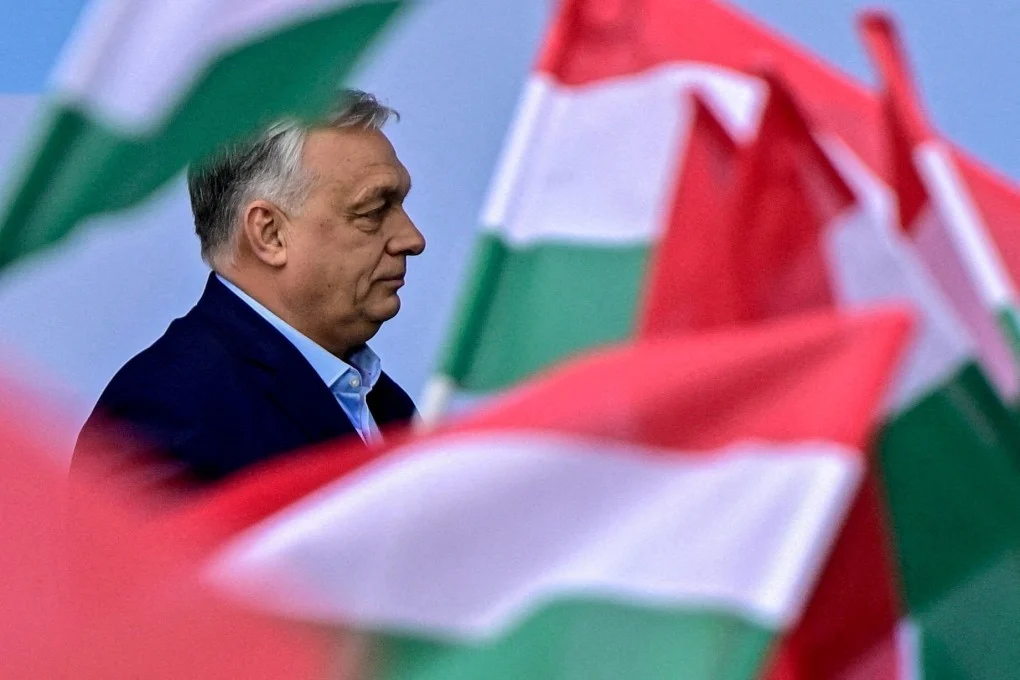
The upcoming Hungarian elections, scheduled for Sunday, are a pivotal event in European politics, serving as a referendum on the European right. Major powers, including China, Russia, and the United States, are eagerly awaiting the results of these elections, which could have a profound impact on their influence in the region.
Recent opinion polls indicate that the ruling party led by Viktor Orbán, known as a "non-liberal democracy," is trailing behind his competitor Péter Márki-Zay from the Tisza party by a significant margin of between 19 and 23 points. This gap is unprecedented in the history of Hungarian elections, raising questions about Orbán's political future.
Details of the Event
The Hungarian elections are part of a series of elections occurring across Europe, reflecting the rise of far-right politics in many countries. A victory for Márki-Zay is viewed as an opportunity to strengthen ties with the West, which could pose a challenge to China's interests in the region. It is noteworthy that Orbán has taken a hardline stance on immigration and the European Union, making him an unexpected ally for China.
Polls show that Hungarian voters may be fatigued by Orbán's policies, especially in light of the economic and social crises facing the country. This shift in public opinion is seen as an indicator of voters' desire for a change in political leadership.
Background & Context
Historically, Hungary under Orbán's leadership has moved towards policies considered non-liberal, leading to tensions with the European Union. Since taking office, Orbán has consolidated his power through constitutional changes and laws that restrict press freedom and minority rights. This approach has drawn widespread criticism from the international community, yet it has simultaneously bolstered his local support base.
In recent years, relations between Hungary and China have seen significant development, with Beijing seeking to expand its influence in Europe through massive infrastructure investments. Orbán's victory is viewed as a support for these investments, while a win for Márki-Zay could lead to a reevaluation of these relations.
Impact & Consequences
If Márki-Zay wins, it could represent a radical shift in Hungarian foreign policy, potentially affecting relations with China. Márki-Zay is expected to seek to strengthen ties with the European Union and the United States, which may reduce Beijing's influence in the region. This change could have far-reaching effects on economic and social policies in Hungary.
Furthermore, this victory could serve as a signal to many other European countries facing similar challenges from the far right. It could bolster a movement for change in European policies and reshape the political landscape on the continent.
Regional Significance
The Hungarian elections hold particular importance for the Arab region, as political changes in Europe directly impact Arab-European relations. Amid current tensions, the results of these elections could influence how European countries address issues of migration and security, which are sensitive topics for many Arab nations.
Ultimately, the Hungarian elections present an opportunity to assess political trends in Europe and may contribute to shaping the future of relations between the East and West, including the Arab region.