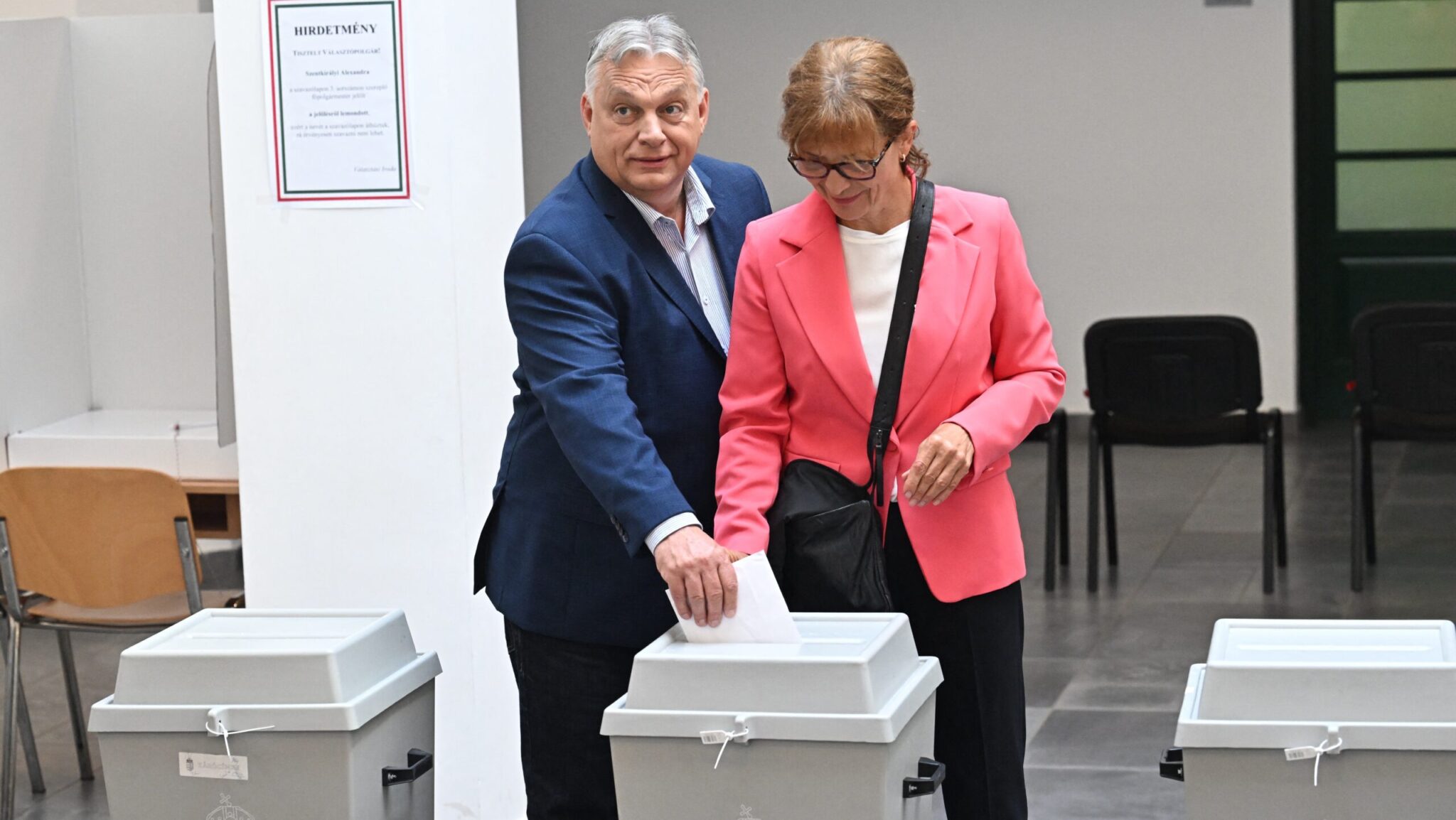
Hungarian Prime Minister Viktor Orbán is preparing for the upcoming legislative elections scheduled for April 12, amid considerable political and economic challenges. In an article by Arthur Kenigsberg, head of the Eurocreative Center, Orbán's status as one of the few European leaders receiving dual support from both Vladimir Putin and Donald Trump is emphasized.
Since taking office in 2010, Orbán has faced increasing criticism for his hardline policies, alongside a decline in his popularity due to economic crises. The upcoming elections could determine the fate of his government and significantly impact the future of the European Union.
Details of the Political Landscape
In his article, Kenigsberg pointed out that Orbán enjoys close relationships with both Putin and Trump, making him a unique figure in the European political arena. These relationships reflect his political leanings towards nationalism, raising concerns within the European Union, which seeks to promote unity among member states.
The upcoming elections represent a real test for Orbán as he strives to maintain his authority amidst increasing pressure from the opposition. Additionally, the election results could greatly influence the EU's policy towards Hungary, especially given the current tensions surrounding immigration and human rights issues.
Background & Context
Historically, Hungary under Orbán's leadership has been a focal point of controversy within the EU, with the government accused of undermining democracy and press freedom. Since he came to power, Orbán has taken numerous steps to consolidate his authority, including amending electoral laws and restricting media freedom.
In recent years, Hungary's relations with Russia have intensified, as Orbán seeks to enhance economic cooperation with Moscow, raising fears about the implications for EU policy. Furthermore, the support he receives from Trump reflects new alliances in global politics.
Impact & Consequences
If Orbán manages to win the elections, it could strengthen his position within the EU, potentially leading to increased tensions among member states. His victory may also encourage other leaders in Europe to adopt similar policies, threatening the stability of the Union.
Conversely, if his government loses, it could result in radical changes in Hungarian politics and open the door for democratic reforms. Such outcomes would also affect Hungary's relations with major powers like Russia and the United States.
Regional Significance
The Hungarian elections serve as an indicator of political trends in Europe and their impact on international relations. The results will not only shape Hungary's future but also reflect broader shifts in the EU's approach to governance and cooperation.
As the elections approach, the stakes are high for Orbán, whose leadership style and alliances could redefine Hungary's role in the European landscape.