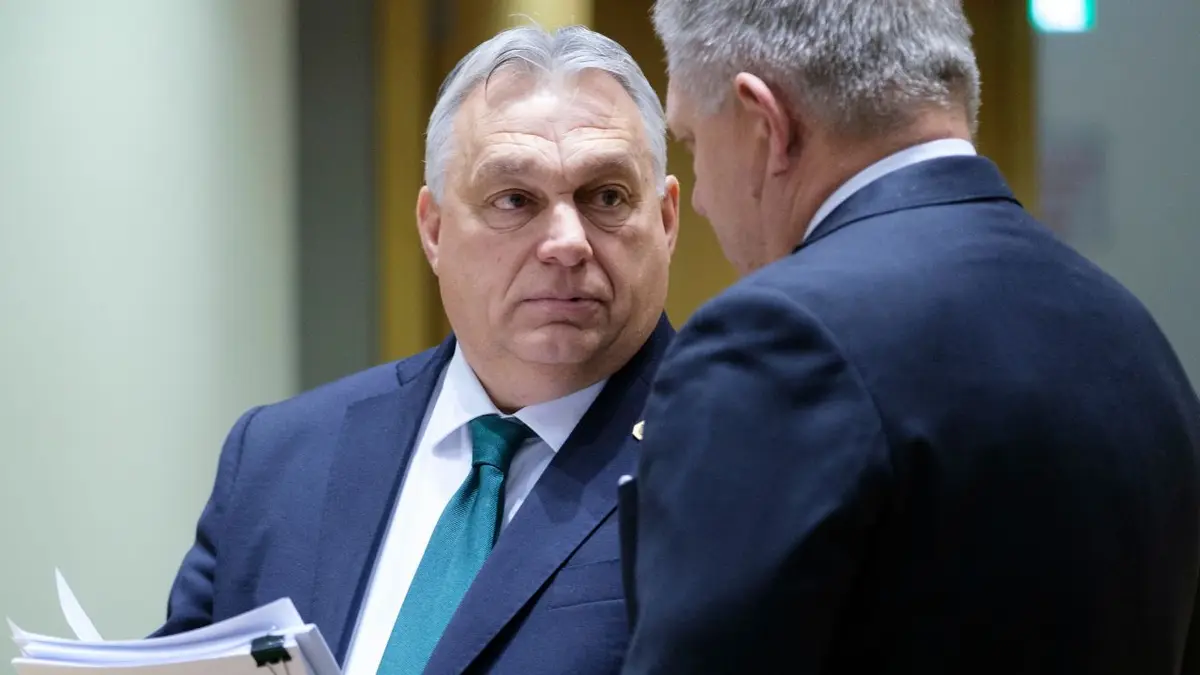
In an unexpected move, Hungarian Prime Minister Viktor Orbán has vetoed new aid for Ukraine, causing alarm among European nations. This decision comes at a critical moment as European countries await the legislative elections set for April 12, hoping that relations with Budapest will return to normal after the elections.
This action is part of Orbán's policy that shows a closeness to Russia, which raises concerns among European nations seeking to support Ukraine in facing the challenges posed by the ongoing conflict with Russia. Many European countries have expressed their discontent with Hungary's stance, viewing this veto as a hindrance to international support efforts for Ukraine.
Details of the Event
Orbán, who has been in power since 2010, announced his refusal of new aid for Ukraine, indicating that his country is suffering from the repercussions of the conflict. This decision comes at a sensitive time when European nations are striving to enhance their support for Ukraine amid deteriorating conditions on the ground.
Orbán's position is part of a broader policy adopted by his government, which shows a preference for relations with the Kremlin at the expense of ties with the European Union. This stance has drawn widespread criticism from several European leaders, who believe that such behavior undermines the EU's position in facing security challenges.
Background & Context
Historically, Hungary has been a member of the European Union since 2004, but relations between Budapest and Brussels have seen increasing tensions in recent years. These tensions relate to various issues, including human rights, press freedom, and the rule of law. Many European countries have accused Hungary of undermining fundamental democratic values.
In recent years, Hungary has moved towards strengthening its relations with Russia, which is seen as a significant shift in its foreign policy. This shift has raised fears that Hungary could become a launchpad for Russian influence in Central and Eastern Europe, threatening regional stability.
Impact & Consequences
Orbán's move represents a significant challenge to the European Union, as it highlights a division within the European bloc regarding how to deal with Russia and Ukraine. There are concerns that this veto could undermine European efforts to provide support to Ukraine, potentially strengthening Russia's position in the conflict.
Furthermore, this step may exacerbate tensions between Hungary and other European countries, weakening the unity of the EU in facing common challenges. There are also fears that these tensions could affect economic and political relations between Hungary and other European nations.
Regional Significance
The repercussions of this event are indirectly related to the Arab region, as it demonstrates how regional crises can impact international relations. Supporting Ukraine is part of European efforts to address security challenges, which may affect the stability of the Arab region amid the multiple crises it faces.
Additionally, relations between European countries and Russia serve as an indicator of how international conflicts can influence Arab interests. Given the current situation, it may be important for Arab nations to closely monitor these developments, as they could impact their political and economic strategies in the future.