The Egyptian Minister of Culture has announced that the identified alternatives aim to achieve a balance between rationalizing government spending and continuing to provide cultural services. This initiative comes at a time when the cultural sector is facing significant challenges, necessitating innovative solutions to ensure the sustainability of cultural and artistic activities.
The minister clarified that the government seeks to improve the efficiency of public spending while maintaining the level of services provided to citizens. She pointed out that these alternatives include restructuring some cultural institutions and developing new programs that align with the current economic conditions.
Event Details
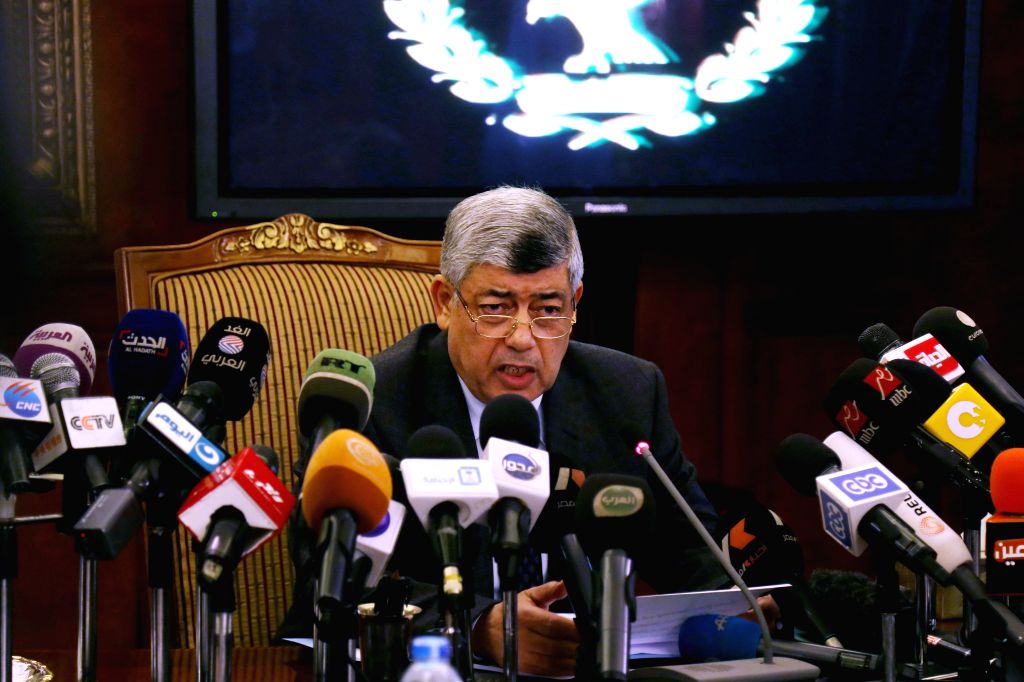
In a press conference, the minister confirmed that the government is working on a comprehensive plan aimed at enhancing culture and the arts in society, despite economic pressures. She emphasized the importance of culture as a tool for social and economic development and its role in strengthening national identity.
She also stressed the need for cooperation between various government entities and civil society to achieve the desired goals. She mentioned plans to develop cultural infrastructure, including libraries and museums, to make them more appealing to the public.
Background & Context
Egypt, like many countries, faces significant economic challenges due to global and local crises. This has directly impacted the budgets of many sectors, including culture. Therefore, the search for innovative solutions has become an urgent necessity.
Historically, culture and the arts have been an essential part of Egyptian identity, contributing to tourism and attracting investments. However, the current economic conditions require a reevaluation of how to manage these resources effectively.
Impact & Consequences
If the proposed alternatives are successfully implemented, it could lead to an improvement in the quality of cultural services provided to citizens, thereby enhancing the role of culture in society. Additionally, restructuring cultural institutions may contribute to increased efficiency and reduced waste of resources.
However, there must be continuous monitoring to ensure that these measures do not negatively impact the most vulnerable groups, such as artists and intellectuals who rely on government support.
Regional Significance
This step serves as a model that other countries in the region facing similar challenges can benefit from. Many Arab countries are experiencing economic pressures that affect cultural and artistic sectors.
Enhancing cooperation among Arab countries in the field of culture and the arts could contribute to the exchange of experiences and the development of effective strategies to address economic challenges.
In conclusion, the efforts of the Egyptian Minister of Culture reflect the government's commitment to achieving a balance between rationalizing spending and continuing to provide cultural services, which is a positive step towards enhancing culture in society.