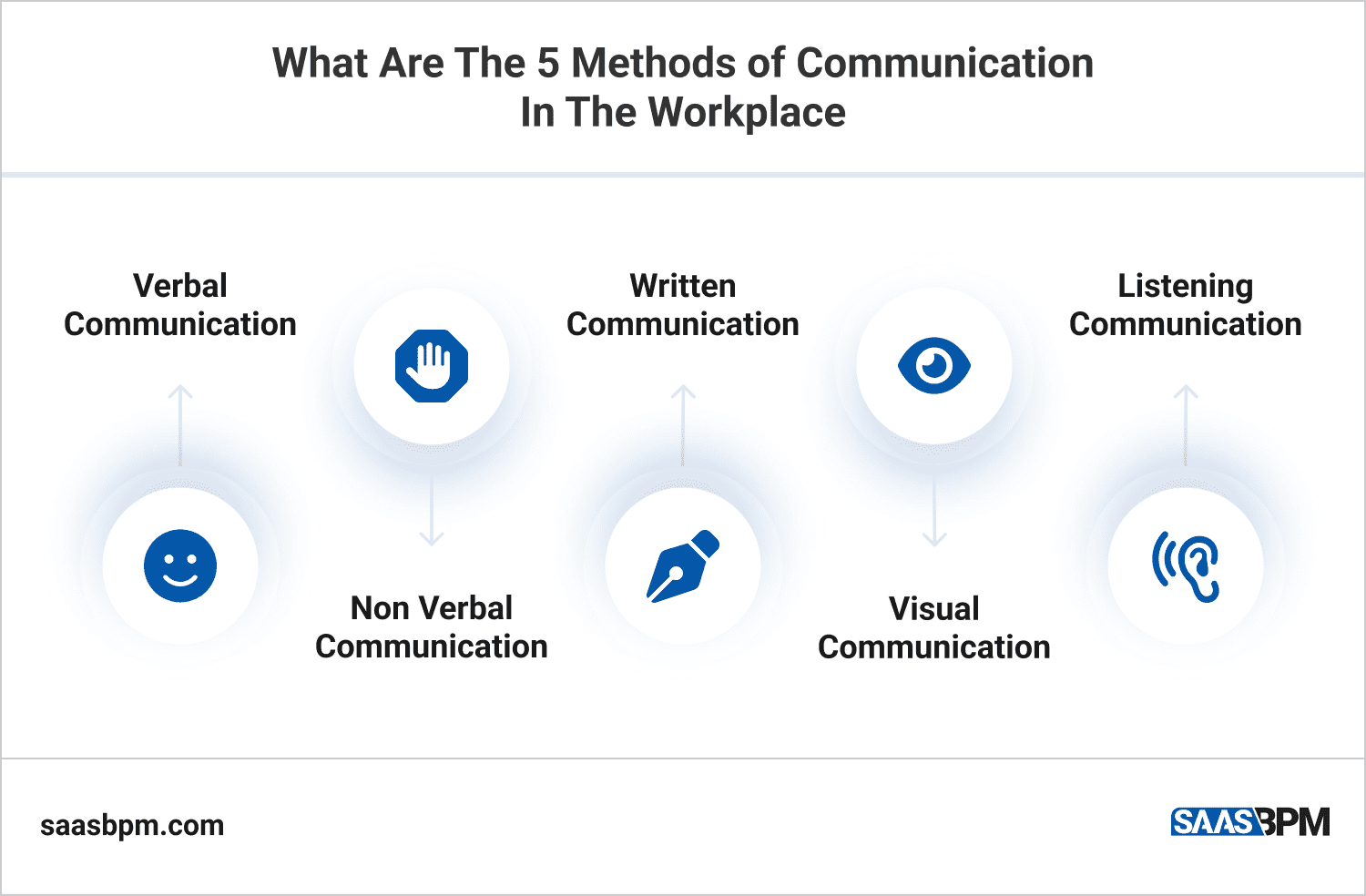
Some communication habits in the workplace create an atmosphere of tension and anxiety among colleagues, where sometimes a simple message or a delay in response can ignite misunderstandings. According to a report published by the American magazine "Time," these habits can lead to a decline in trust and job satisfaction, and may even push some individuals to consider leaving their jobs.
The report highlights 12 common habits that annoy colleagues and offers advice on how to correct these behaviors. One of the most notable habits is unnecessary lengthiness in messages, where some employees drown in personal details that distract their colleagues, causing them to reread the message to understand its purpose.
Details of the Issue
Alison Green, founder of the "Ask a Manager" blog, emphasizes that effective communication always starts with a question: What does the other person need to know? She recommends adopting a clear culture in professional messaging that focuses on the essence, providing details only when necessary. Additionally, starting the message with a brief greeting and then moving directly to the topic enhances clarity and reduces unnecessary anticipation.
Another annoying habit is setting a deadline for completing a task and then following up repeatedly before the deadline, which confuses the team and raises questions about priorities. Green explains that this behavior often stems from personal anxiety, and she advises that follow-ups should be accompanied by a clear explanation of any changes in deadlines.
Background & Context
Other habits include delays in responding to messages, especially when the person appears "online," creating a sense of anxiety among colleagues. Erica Dhawan, a leadership expert, points out that sending a quick acknowledgment of receipt or specifying a later time to respond can alleviate this anxiety. Moreover, unclear email subject lines force the recipient to guess the content of the message, delaying communication.
Liane Duffy, a psychologist specializing in workplace environments, asserts that clear subject lines help organize priorities and speed up communication. On the other hand, some managers tend to soften criticism excessively, which leads to the loss of the core message. Criticism should be clear and respectful to avoid frustration.
Impact & Consequences
Meetings that lack a clear agenda or go off-topic are a source of frustration for employees. Pre-planned meetings with specific goals enhance productivity and avoid the feeling of "wasted time." Additionally, speaking loudly or making long phone calls in shared spaces can distract others.
Tessa West, a psychology professor, explains that venting work stress spontaneously can transfer tension to the team. Therefore, it is important to manage emotions and discuss issues calmly. Teams should set clear standards for communication tools and response times, as ignoring these standards leads to misunderstandings.
Regional Significance
Work environments in the Arab world require improved communication methods to ensure effective teamwork. Enhancing clarity and mutual respect can contribute to increased job satisfaction and foster collaboration among individuals. Given the economic and social challenges, improving the work environment is a crucial step towards achieving success.
In conclusion, simple improvements in daily communication styles can transform annoying habits into elements that enhance collaboration and increase individuals' sense of fairness and respect.