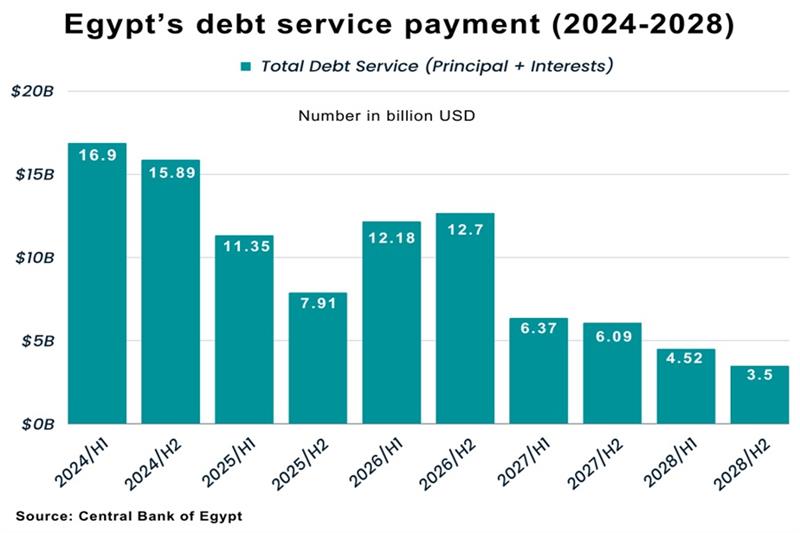
The International Monetary Fund (IMF) has announced forecasts indicating a decline in Egypt's public debt, reflecting an improvement in the country's economic situation. These forecasts come at a time when the Egyptian government is striving to achieve economic stability through the implementation of a series of financial reforms.
Reports indicate that Egypt's public debt has seen a significant increase in recent years, raising concerns among many economists and analysts. However, the new forecasts from the IMF reflect optimism regarding the government's ability to manage public debt more effectively.
Details of the Forecast
According to statements from the IMF, Egypt's public debt is expected to decrease from approximately 90% of GDP to around 80% over the next three years. This decline is attributed to increased government revenues and improved efficiency in public spending.
The IMF also noted that the Egyptian government has taken important steps as part of its economic reform program, including enhancing financial transparency and developing the tax system. These measures aim to boost revenues and reduce reliance on external borrowing.
Background & Context
Over the past few years, Egypt has faced significant economic challenges, including rising inflation rates and increasing public debt. In 2016, the Egyptian government began implementing an economic reform program in collaboration with the IMF, which included devaluing the Egyptian pound and raising fuel prices.
These reforms aimed to achieve long-term economic stability, but they negatively impacted the living standards of many citizens. Nonetheless, the new forecasts suggest that these reforms are beginning to yield positive results.
Impact & Consequences
If the anticipated decline in public debt materializes, it could lead to an improvement in Egypt's credit rating, making it easier for the government to borrow at lower interest rates. Additionally, this decline may enhance confidence in the Egyptian economy among both local and international investors.
Furthermore, improving the financial situation could provide the government with more resources to invest in development and infrastructure projects, contributing to the creation of new job opportunities and improving living standards.
Regional Significance
Egypt is considered one of the largest economies in the Arab region, and therefore, its improved financial position could have positive effects on neighboring countries. This might encourage other nations to implement similar reforms to enhance their economic conditions.
Moreover, Egypt's success in managing its public debt could strengthen economic cooperation among Arab countries and promote investment exchanges and joint projects.
In conclusion, the positive forecasts regarding the decline in Egypt's public debt represent an important step towards achieving economic stability. As the government continues to implement reforms, the Egyptian economy may witness further improvements in the coming years.