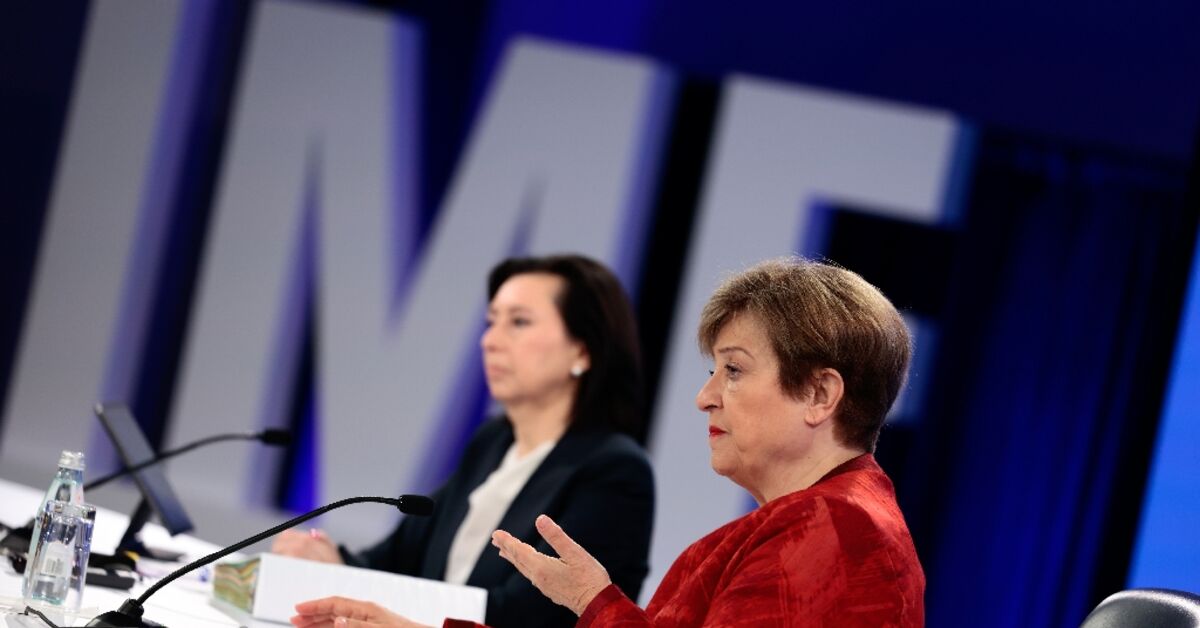
The International Monetary Fund (IMF) warned on Thursday that the ongoing disruptions caused by the war in Iran could lead to a deterioration in global economic forecasts, indicating that global economic growth is trending towards a negative scenario. The IMF noted that these conditions could result in reduced growth and increased inflation risks.
Last month, the IMF projected in its World Economic Outlook report that global growth would decline to 3.1% by 2026 under its baseline scenarios. However, it cautioned that the situation could become more dire if the war continues for an extended period.
Details of the Situation
Forecasts indicate that the continuation of the conflict in Iran will significantly impact the global economy, with the IMF expecting that disruptions in supply chains and rising energy prices will exacerbate the economic situation. Additionally, increasing geopolitical tensions could lead to negative reactions in financial markets.
Concerns are growing that the ongoing conflict may worsen inflation in many countries, affecting citizens' purchasing power. Experts have pointed out that these effects may be more pronounced in developing countries that heavily rely on imports.
Background & Context
Historically, the region has witnessed numerous conflicts that have affected the global economy. The Iranian war, which began in 2023, comes at a sensitive time as global economies were recovering from the repercussions of the COVID-19 pandemic. This war has added additional pressures on global markets, leading to rising food and energy prices.
Iran is one of the largest oil producers in the world, and any disruptions in its production or exports could significantly impact global oil prices. This situation could negatively affect the economies of oil-importing countries, increasing inflationary pressures.
Impact & Consequences
If the war continues, the economic repercussions could lead to a contraction in global growth, which may reflect on global investments. Furthermore, increased geopolitical risks could erode confidence in markets, affecting foreign direct investment flows.
Some analyses predict that countries dependent on energy imports will face greater challenges, as they will have to pay higher prices for energy, impacting their public budgets. This situation could lead to a reduction in government spending on essential services such as education and health.
Regional Significance
Arab countries are among the most affected by the repercussions of the Iranian war, especially those that rely on oil as a primary source of revenue. Rising oil prices may have a positive impact on some producing countries, but at the same time, it could lead to increased inflation in importing nations.
Moreover, tensions in the region may lead to increased instability, affecting tourism and business investments. It is crucial for Arab countries to adopt strategies to adapt to these changes to ensure the stability of their economies.
In conclusion, the current situation requires close monitoring by policymakers worldwide. A swift and effective response to the economic challenges arising from the Iranian war will be essential to maintain global economic stability.