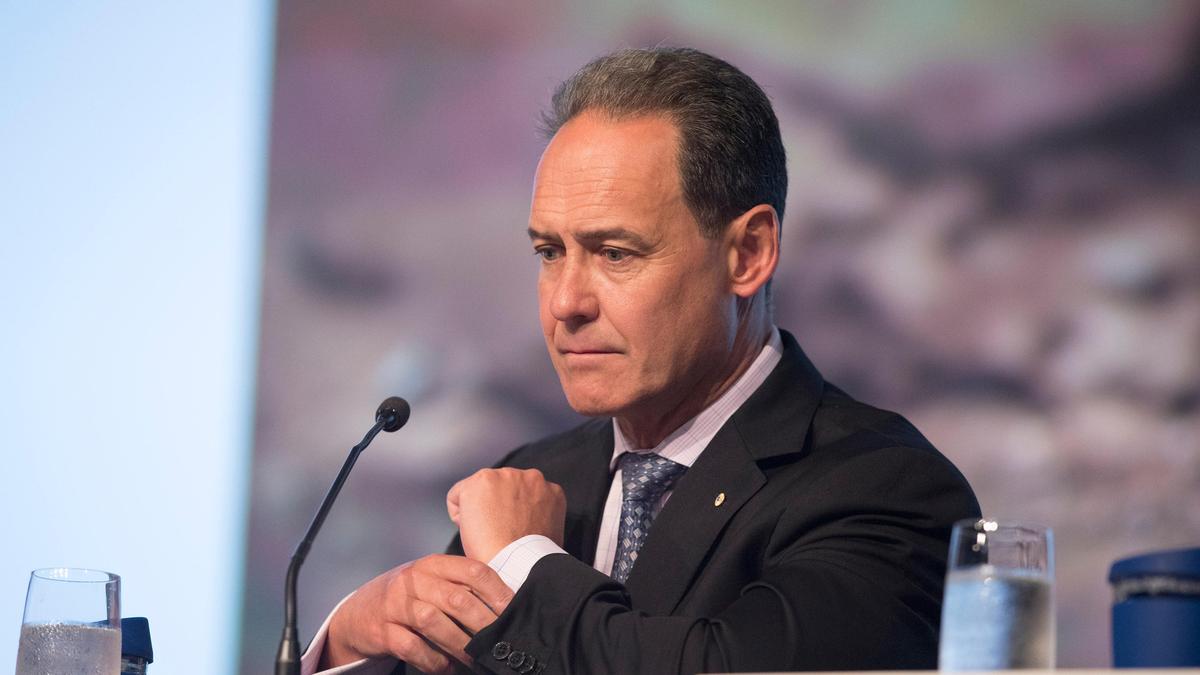
Mark Barnba, Vice President of Fortsky, revealed the ongoing war in Iran's significant impact on global energy costs, noting that this conflict is leading to a noticeable increase in prices. His comments came during an exclusive interview with Bloomberg at the Bank of America’s Advanced Technology Conference in the Asia-Pacific region, where Barnba also addressed China's growing role in the energy market.
Barnba explained that geopolitical conflicts, such as those occurring in Iran, directly affect the stability of energy markets, resulting in rising prices. He emphasized the importance of transitioning to renewable energy sources as an alternative to diesel, pointing out that Fortsky is actively promoting this trend.
Event Details
Barnba discussed the challenges companies face amid rising production costs due to international crises. He confirmed that Fortsky, recognized as one of the leading companies in the mining sector, is striving to reduce its reliance on fossil fuels by investing in renewable energy.
He also noted that China is playing an increasingly significant role in the global energy market, seeking to expand its influence through substantial investments in renewable energy projects. This trend could impact the current balance in energy markets and heighten competition among major countries.
Background & Context
Historically, Iran has been one of the largest oil producers in the world, but political and economic conflicts have led to a decline in its production. Since 2018, the United States has imposed stringent sanctions on Iran, adversely affecting its oil exports and causing fluctuations in global markets.
In recent years, China has experienced tremendous economic growth, which has increased its energy consumption. The Chinese government aims to achieve its environmental goals by investing in renewable energy, which is reflected in the strategies of major companies like Fortsky.
Impact & Consequences
Barnba's statements underscore the importance of transitioning to renewable energy amid current crises. Rising energy costs could impact the global economy, as countries will face challenges in securing their energy needs at affordable prices.
Moreover, China's increasing influence in the energy market may lead to changes in the dynamics of international relations, as major countries seek to strengthen their partnerships with Beijing to secure energy supplies.
Regional Significance
Arab countries are among the largest oil producers in the world, and thus any changes in global energy markets directly affect their economies. Rising energy prices may provide an opportunity for Arab nations to enhance their revenues, but at the same time, it could pose challenges in ensuring price stability.
Under these circumstances, Arab countries must consider long-term strategies to enhance the sustainability of their economies by investing in renewable energy and diversifying their income sources.