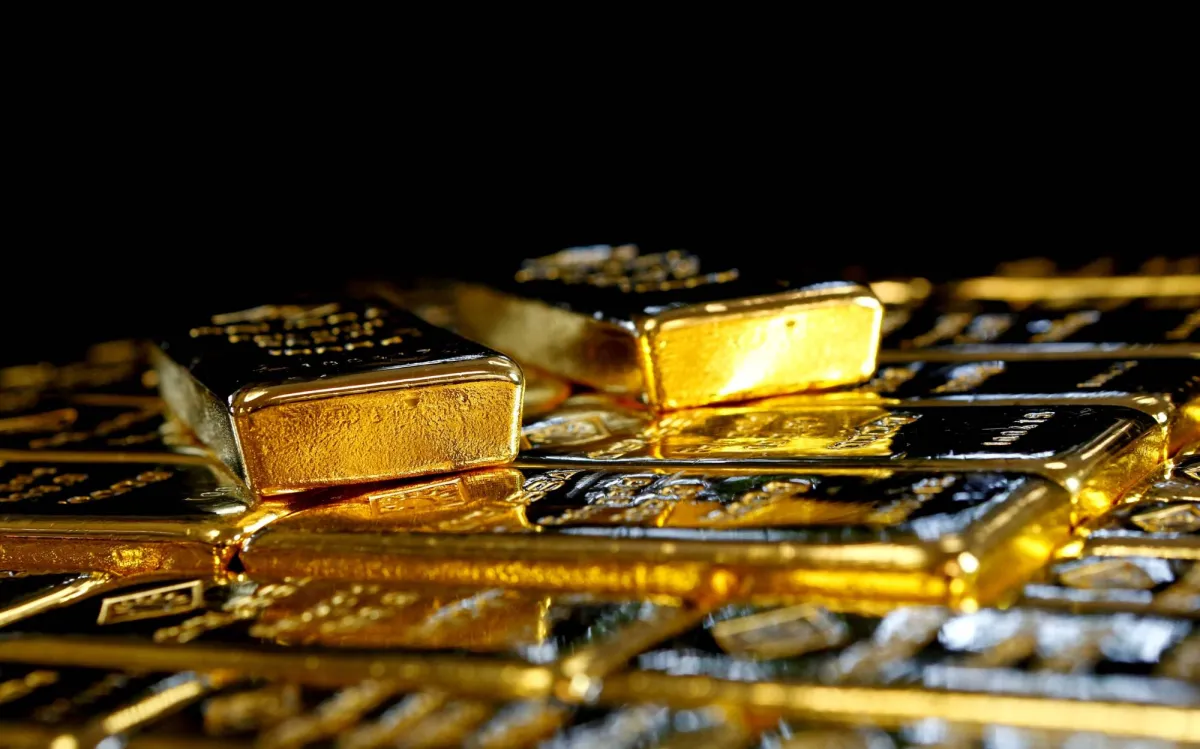
The volume of investment in gold has decreased during the first quarter of this year, as data from the World Gold Council indicates that some investors were forced to sell their holdings to secure necessary liquidity amid the tense conditions resulting from the war in Iran.
Gold investment recorded a decline of 5% during this period, despite gold prices reaching record levels in January. Investors typically turn to gold as a safe haven amid a weakening dollar and changes in U.S. monetary policy.
Details of the Event
The quarterly report from the World Gold Council noted that significant outflows in March largely offset the strong inflows witnessed in January and February. This decline was particularly associated with gold exchange-traded funds in North America.
Juan Carlos Artigas, an expert at the council, explained that gold is often sold first when investors need liquidity due to its wide acceptance and prevalence in markets.
Background & Context
The war that began with the joint U.S.-Israeli attacks on Iran on February 28 led to Tehran's closure of the Strait of Hormuz, a vital passage for oil and natural gas transport. This closure caused a sharp rise in oil and gas prices, forcing many investors to secure liquidity to settle their investment positions.
Additionally, the U.S. Federal Reserve's increase in interest rates amid rising inflation has strengthened the dollar, making gold more expensive for investors without U.S. currency.
Impact & Consequences
Despite the decline in gold demand in terms of quantity, the value of purchases surged by 62%. The price of gold reached a new record level of nearly $5600 per ounce at the end of January, with an average price of $4873 per ounce during the first quarter.
However, the high prices negatively impacted demand for jewelry, as the Middle East is a major shipping hub. The major mining company (Amak) reported an 8.8% increase in profits during the first quarter, despite a drop in revenues due to falling copper and zinc sales.
Regional Significance
These developments directly affect Arab markets, as rising gold prices may lead to a decline in jewelry demand in Gulf countries, which heavily rely on this sector. Furthermore, the ongoing war in Iran could threaten the stability of financial markets in the region.
In conclusion, the situation in Iran and around the Strait of Hormuz remains a focal point for investors, as any further escalation could significantly impact gold investments and global markets.