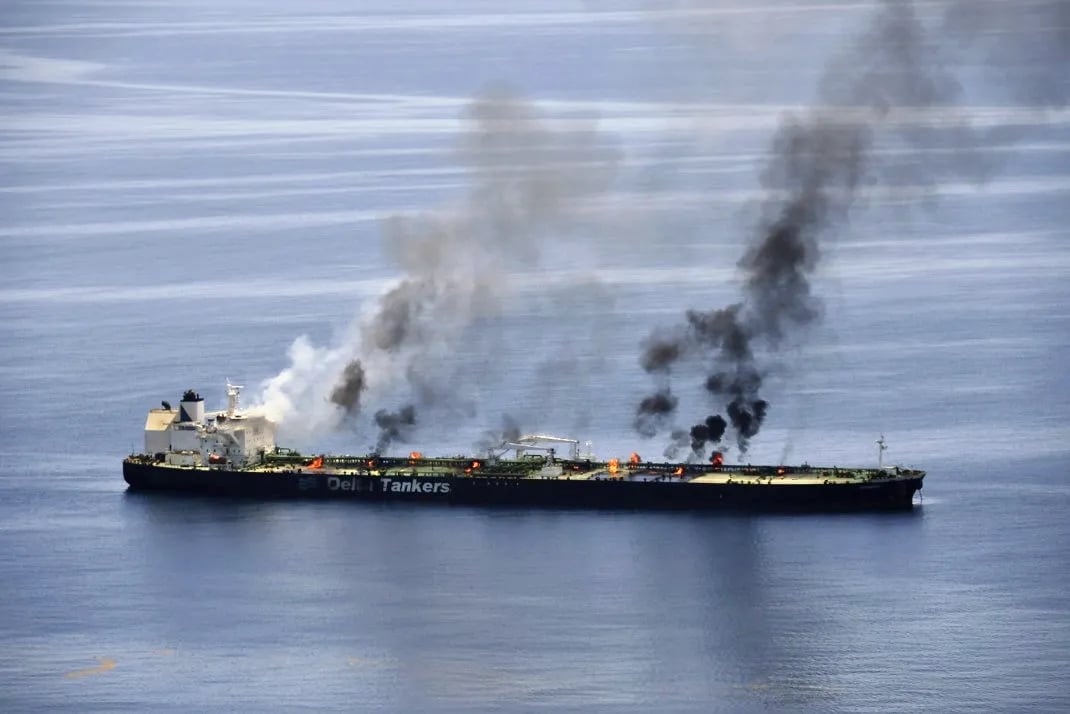
The Israeli-American war on Iran is having a detrimental effect on all economic sectors, especially insurance, according to three international institutions. As fears escalate regarding events in the Strait of Hormuz, a rise in insurance claims across multiple areas is anticipated.
According to a report by S&P Global, the nature of the current conflict differs from previous geopolitical events, increasing the likelihood of credit impacts that are difficult to avoid. The extent of these impacts depends on the geographical scope of the repercussions.
Details of the Event
The institution clarified that standard insurance policies typically exclude war risks; however, the current conflict may lead to increased claims in marine, aviation, energy, political violence, and terrorism insurance. The increase may also extend to property coverage linked to affected areas, supply chains, and trade.
S&P Global indicated that indirect effects include a decline in investment performance due to market volatility, alongside economic pressures such as rising inflation driven by energy prices and a slowdown in global growth.
Background & Context
The global reinsurance sector entered 2026 with a strong capital position supported by good underwriting performance, with limited exposure to assets in the Middle East. However, risks are concentrated in liabilities, especially in high-risk insurance branches like war and aviation.
The institution expects that marine insurance losses will be concentrated within war risk coverages, which are typically excluded from standard protection and indemnity coverages, covering about 90% of the global shipping fleet.
Impact & Consequences
Fitch Ratings anticipates an increase in risks for global insurance companies if the Iranian conflict persists, with current impacts remaining manageable if the dispute remains short-term. However, ongoing economic volatility may indirectly affect insurance companies.
Fitch noted that insurers in the London market and globally specialized firms are the most directly exposed to the conflict, particularly through marine and aviation insurance branches related to war.
Regional Significance
In the Gulf Cooperation Council countries, the direct financial impacts of the war on the insurance sector remain unclear, with no significant exposure expected to war-related claims. However, a prolonged closure of the Strait of Hormuz could lead to disruptions in supply chains and increased costs.
In Africa, S&P Global forecasts that the impact will remain limited if the duration of the war is short, with capital centers remaining strong. Additionally, the rise in cyberattacks linked to geopolitical tensions may increase risks.
In conclusion, forecasts indicate that Gulf insurance companies heavily rely on reinsurance, which may affect their profits if the conflict persists for an extended period. Furthermore, geopolitical tensions have revealed the fragility of global risk-bearing capacity, opening opportunities for emerging markets like Turkey and Kenya to benefit from this shift.