Major central banks around the world are convening this week to tackle unprecedented economic challenges, amid inflationary pressures and threatened economic growth. These meetings come at a critical time requiring decisive action.
Financial decision-makers are under increasing pressure as energy prices continue to rise, heightening inflation fears. While markets attempt to regain balance, a dual dilemma emerges characterized by persistent inflation and economic growth threatened by recession, known as "stagflation shock."
Event Details
Reports indicate that energy markets are no longer governed by traditional supply and demand equations, but are increasingly influenced by social media. For instance, posts from former U.S. President Donald Trump play a pivotal role in causing fluctuations within the markets. These changes create a state of uncertainty that makes predicting oil and gas prices extremely challenging.
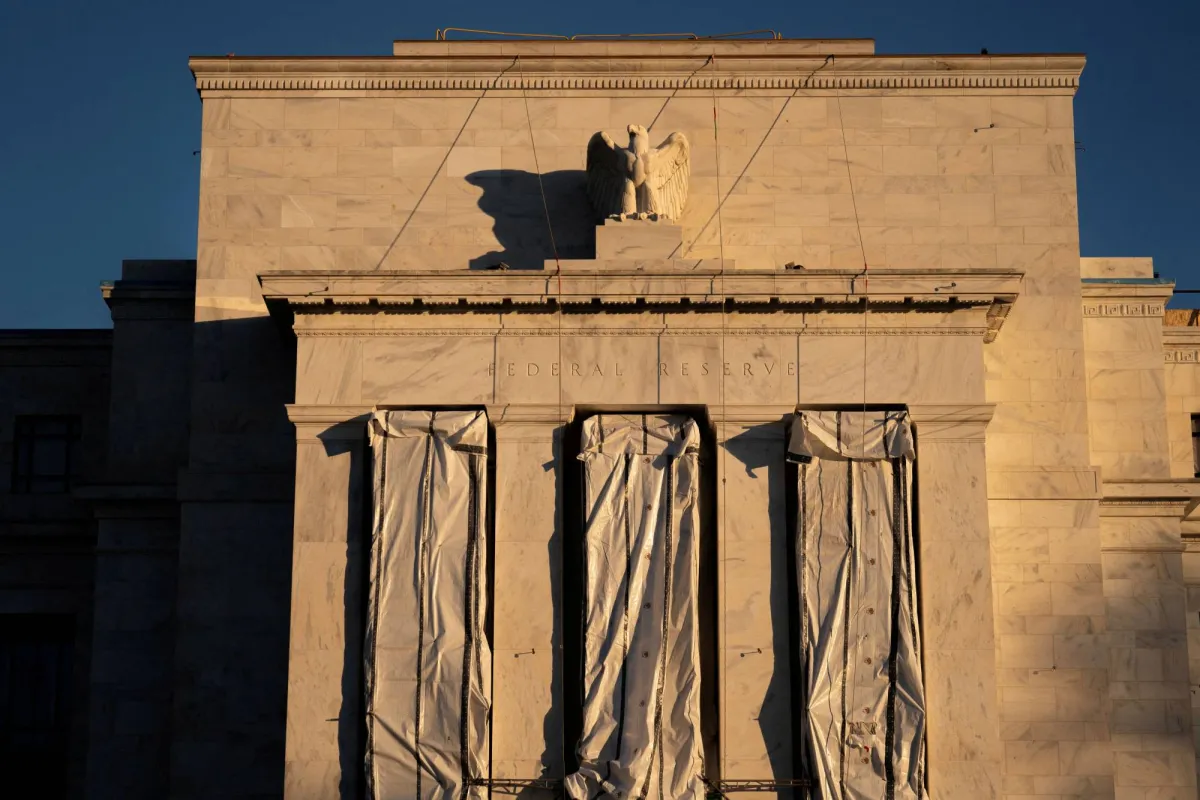
In the United States, the Federal Reserve is leaning towards stabilizing interest rates in the range of 3.5% - 3.75%, with expectations of adopting a hawkish tone to avoid mistakes made last year. With rising energy prices, the Fed Chair warns that public confidence in the bank's ability to control prices is at risk.
Background & Context
In the Eurozone, the European Central Bank is monitoring the impact of the oil crisis on the economy, anticipating two interest rate hikes this year. Meanwhile, in the UK, the likelihood of an interest rate increase has diminished, with Bank of England officials emphasizing the need for caution before making pivotal decisions.
As for the Bank of Japan, it has seen a sharp decline in the likelihood of raising interest rates due to the country's sensitivity to energy imports. In Central and Eastern Europe, central banks are cautiously observing the economic situation, as inflation remains under pressure from high energy costs.
Impact & Consequences
Asian stock performance varies, with the Nikkei 225 in Tokyo hitting a new record level. Conversely, oil prices have risen significantly, with Brent crude increasing by $2, reflecting ongoing difficulties in negotiations with Iran.
Investors are focusing on upcoming interest rate decisions from major central banks, amid anticipation of monetary policy directions in light of global tensions. On Wall Street, the Standard & Poor's 500 index has seen a notable increase, reflecting investor optimism.
Regional Significance
These developments directly impact the Arab region, where many countries are suffering from the repercussions of rising energy prices. Additionally, geopolitical tensions may affect the stability of Arab markets, necessitating a swift response from governments.
In conclusion, the global economic situation remains uncertain, prompting central banks to make critical decisions to address current challenges.