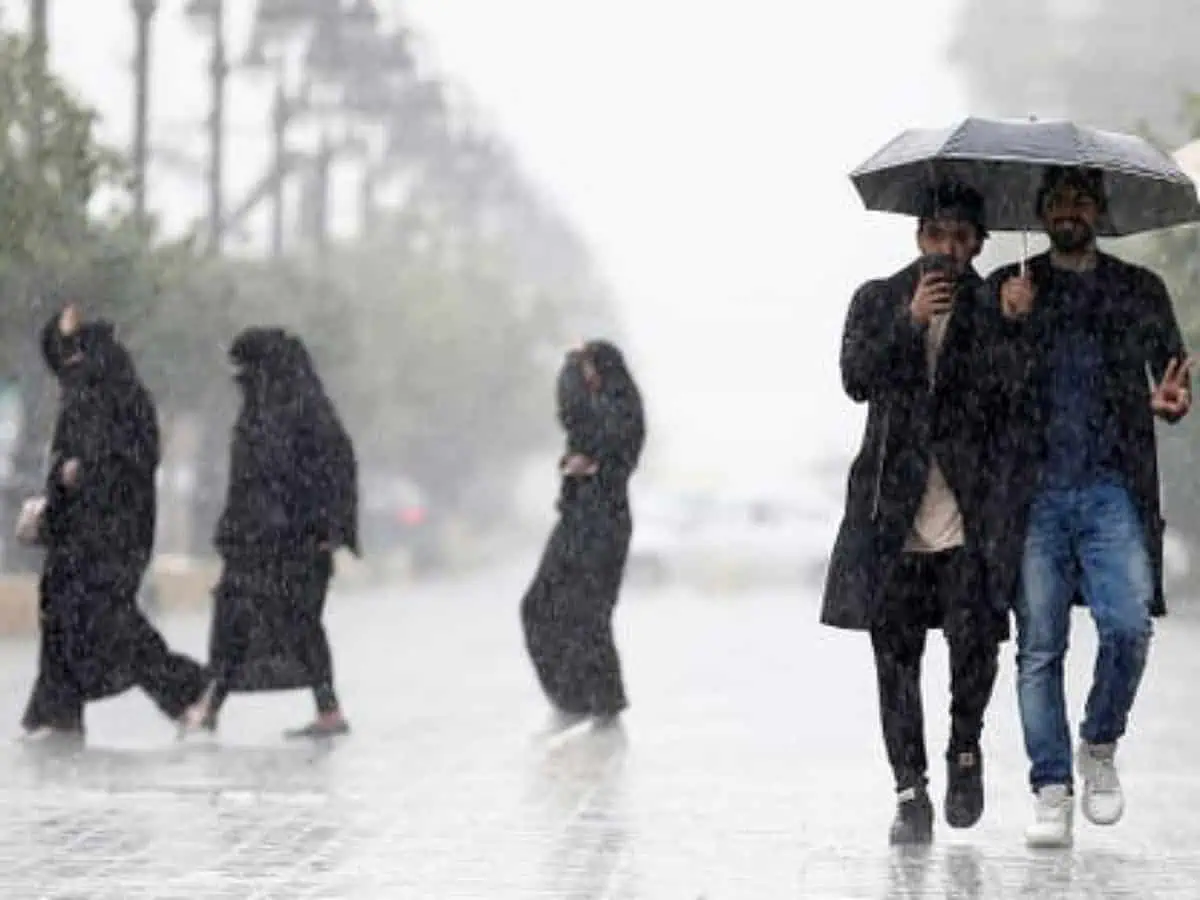
On Monday, April 27, 2026, the Kingdom of Saudi Arabia is experiencing heavy rain accompanied by floods, according to meteorological reports. These weather conditions may impact traffic and daily life for citizens.
The General Authority for Meteorology and Environmental Protection in Saudi Arabia reported that the rain will be concentrated in several areas, including the capital Riyadh and regions in the eastern part of the kingdom. They also warned of the possibility of floods in valleys and low-lying areas.
Details of the Event
The meteorological authority announced that the rain will range from moderate to heavy, with expectations of thunderstorms in some areas. They indicated that this rainfall is part of climatic changes being experienced in the kingdom, where the frequency of heavy rains has increased in recent years.
The meteorological forecasts suggest that this weather condition will continue until the evening, necessitating citizens to take necessary precautions, especially in areas that may be prone to flooding.
Background & Context
Heavy rains in Saudi Arabia are part of a changing climatic pattern, as the kingdom has witnessed significant climatic fluctuations in recent years. These changes may be linked to global climate change, which has affected weather patterns in many countries.
Historically, Saudi Arabia has suffered from long periods of drought, but in recent years, rainfall rates have increased in some areas, leading to changes in the local environment and agricultural systems.
Impact & Consequences
Heavy rains directly affect daily life, potentially causing traffic disruptions and road closures. They can also lead to property damage, especially in areas with weak infrastructure.
These weather conditions require a swift response from relevant authorities, including civil defense, to ensure the safety of citizens and provide assistance in case of emergencies.
Regional Significance
Gulf countries, in general, are affected by climatic changes, with some other nations also experiencing similar instances of heavy rainfall. This situation calls for regional cooperation to address climate challenges and mitigate their negative impacts.
In light of these conditions, it becomes essential to enhance public awareness about the importance of preparedness for natural disasters and to develop effective strategies for dealing with climate crises.