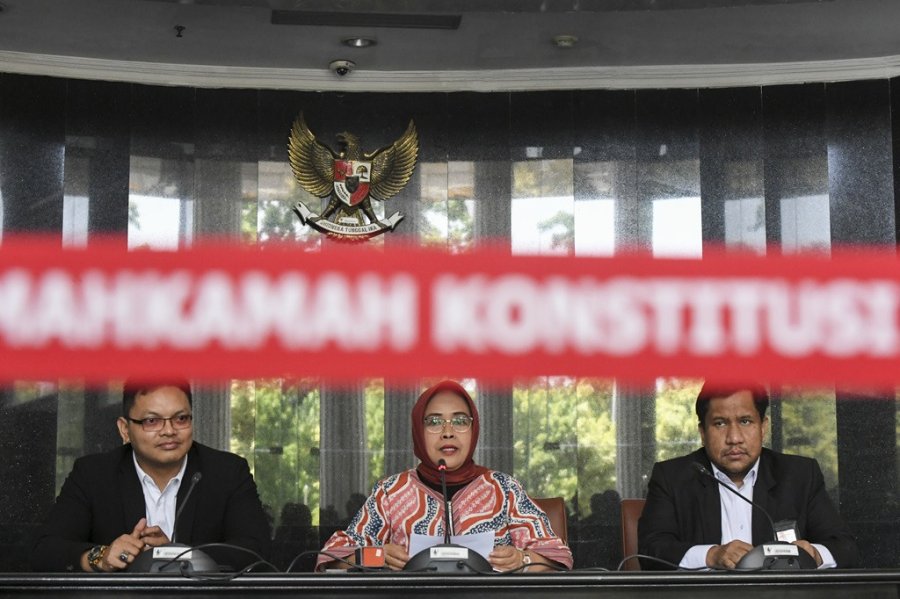
The Constitutional Court of Indonesia (MK) announced the postponement of the expert and witness hearing concerning six cases related to the new penal code, numbered 1 of 2023. This delay was requested by the plaintiffs' attorney, Priscilla Oktaviani, during a session held in the capital, Jakarta.
The session was presided over by Judge Suhartoyo, who clarified that the session was designated for hearing expert testimonies. The request for postponement was accepted, with a new date for the session set for May 18, 2026.
Details of the Postponed Cases
The six cases that have been postponed pertain to new laws regarding penalties, including issues related to national symbols and insults against the president and vice president. These cases were brought forth by a group of plaintiffs, including Atreid Dayani and Zico Leonard Djagardot Simenjuntak.
The cases also encompass legal provisions concerning harassment and insults, reflecting the legal challenges Indonesia faces in implementing the new laws. It has been emphasized that only three experts will be required to provide testimonies in the upcoming session, aligning with the court's desire to organize sessions more effectively.
Background & Context
The new penal code in Indonesia is part of the government's efforts to modernize the legal system in the country, which has long relied on colonial-era laws. This law aims to enhance criminal justice and provide a more contemporary legal framework that aligns with the needs of Indonesian society.
As Indonesia transitions to this new penal code, the implications for civil liberties and the effectiveness of the judicial system are under scrutiny. The reform is seen as a necessary step to address outdated legal practices and to ensure that the laws reflect current societal values.
Impact & Consequences
The postponement of the court session may affect the course of justice in Indonesia, as plaintiffs are eager for swift outcomes. This delay could also raise concerns regarding the judiciary's effectiveness in handling sensitive cases. It is crucial for the plaintiffs to present their evidence in an organized manner, and for judges to make decisions based on accurate information.
Moreover, the postponement may lead to further delays in the implementation of the new penal code, potentially hindering the government's reform agenda. Stakeholders are closely monitoring the situation, as the outcomes of these cases could set important precedents for future legal interpretations.
Regional Significance
The developments surrounding the new penal code and the Constitutional Court's proceedings have broader implications for the region. As Indonesia is the largest Southeast Asian nation, its legal reforms could influence neighboring countries grappling with similar issues of legal modernization and human rights.
Furthermore, the international community is watching closely, as the effectiveness of Indonesia's judicial system in upholding justice will impact its global standing and relations with other nations. The ongoing discussions around the penal code reform are not just a domestic issue but resonate within the context of regional stability and governance.
In conclusion, the postponement of the Constitutional Court session underscores the complexities involved in legal reform in Indonesia. As the country navigates these challenges, the commitment to uphold justice and civil liberties remains a critical focus for all stakeholders involved.