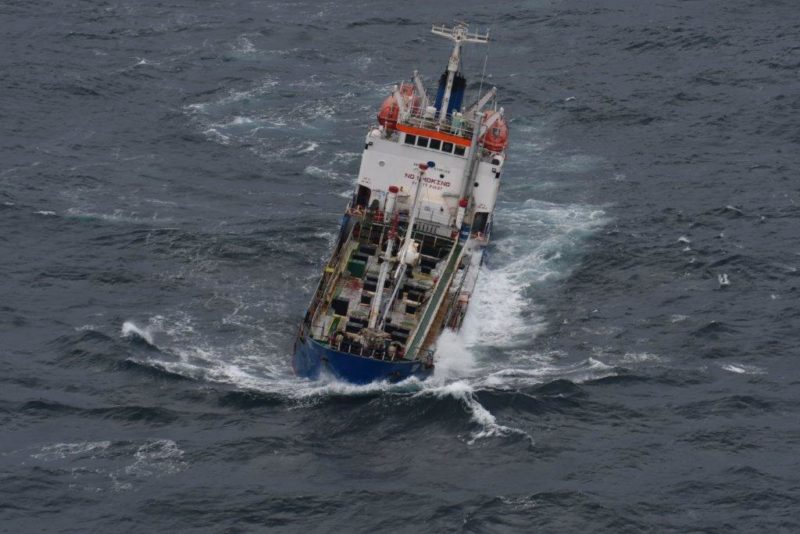
The Philippine government has announced a decisive measure to stop sending Filipino sailors to the Arabian Gulf, as part of its efforts to safeguard its citizens from the increasing risks in the region. This decision comes at a time when many Filipino sailors are struggling to return home, as they are stuck aboard ships stranded behind the Strait of Hormuz.
The Philippines is one of the largest exporters of maritime labor in the world, with thousands of its citizens working on various commercial vessels. However, the current situation in the Arabian Gulf has significantly impacted the movement of these sailors, prompting the government to take this step to protect its citizens.
Details of the Decision
According to informed sources, the Philippines' decision followed growing concerns about the safety of sailors in a region marked by escalating political and military tensions. Philippine officials indicated that this decision aims to shield sailors from potential dangers they may face under the current circumstances.
This decision comes as many sailors are experiencing difficulties returning home, with ships piling up in the area due to restrictions on movement. This situation poses a significant challenge for ship owners who rely on Filipino sailors to operate their vessels.
Background & Context
Historically, the Philippines has heavily relied on maritime labor exports, with Filipino sailors constituting a significant portion of crews on ships worldwide. However, tensions in the Arabian Gulf, particularly those involving Iran and the United States, have affected maritime traffic in the region.
In recent years, the Philippines has seen an increase in the number of sailors heading to work in the Gulf, but the current situation may alter this trend. The Philippine government, which seeks to protect its citizens, may need to take further actions if tensions in the region persist.
Impact & Consequences
This decision could have a substantial impact on the shipping industry in the Arabian Gulf, where many ship owners depend on Filipino sailors. If this situation continues, it may lead to a shortage of maritime crews, adversely affecting commercial operations in the region.
Moreover, this decision could escalate tensions between the Philippines and countries that rely on maritime labor, potentially leading to economic and political repercussions. It is crucial for the Philippine government to closely monitor the situation to ensure the safety of its citizens.
Regional Significance
The implications of this decision extend beyond the immediate safety of Filipino sailors; it reflects the broader geopolitical dynamics in the Arabian Gulf. The Philippines' commitment to protecting its citizens may influence its diplomatic relations with other nations involved in maritime labor.
In conclusion, this decision marks a significant step in safeguarding Filipino sailors amid the tense conditions in the Arabian Gulf, highlighting the Philippine government's dedication to its citizens' welfare.