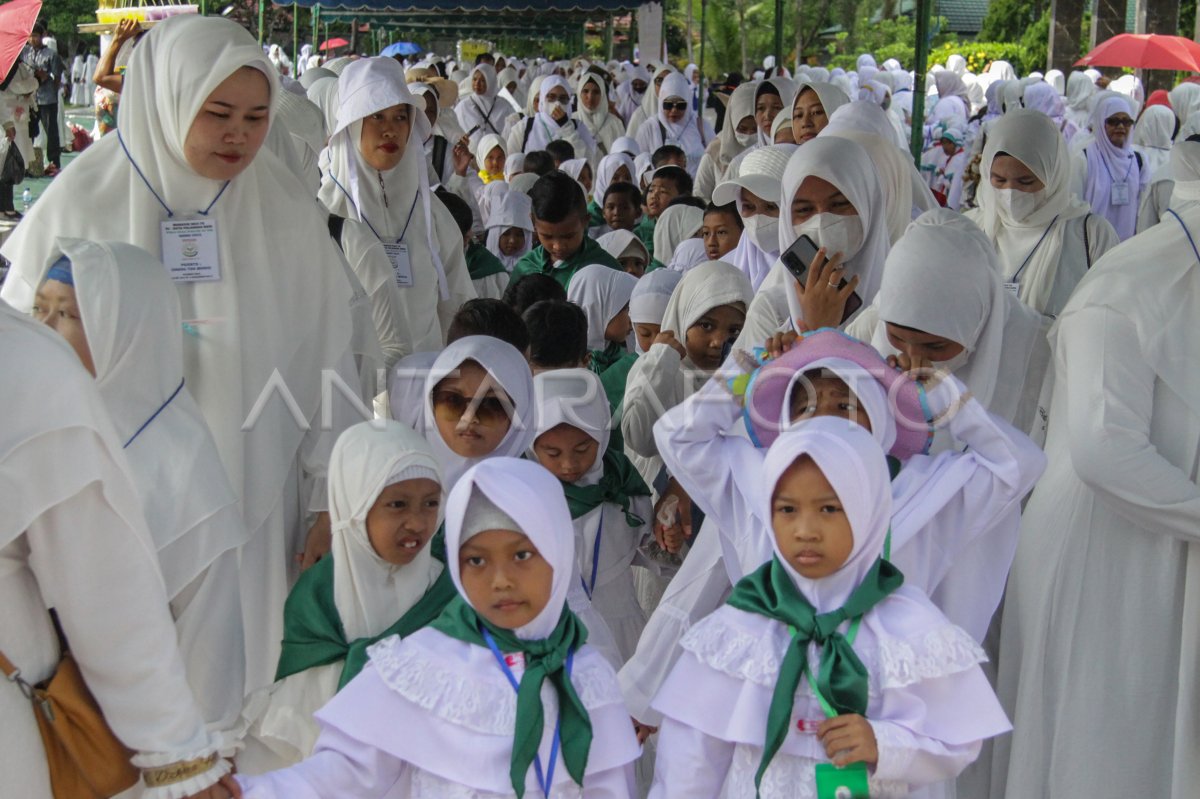
The municipality of Palangka Raya in Indonesia has announced the launch of specialized services for elderly pilgrims who will travel to the holy lands during the 2026 Hajj season. The Deputy Mayor of Palangka Raya, Ahmad Zaini, confirmed that the health department will provide necessary support for pilgrims facing health risks, particularly those in high-risk categories.
Zaini explained that these services will include continuous health monitoring for pilgrims to ensure they receive the necessary care throughout their travel and during the performance of Hajj rituals. This step is part of the local government's commitment to providing a safe and healthy environment for pilgrims, ensuring their return home in good health.
Details of the Services
According to data, there are 33 elderly pilgrims, in addition to 8 individuals using wheelchairs. Furthermore, 50 pilgrims have been classified as high health risk, while 24 others fall into the medium risk category. Notably, the oldest pilgrim is 86 years old, while the youngest is 16. The total number of pilgrims from Palangka Raya in 2026 is 296, who will be divided into three flight groups, with the first group departing on April 29, 2026, and the second and third groups leaving on May 2, 2026.
Zaini emphasized that health considerations will be a priority for the local government throughout all stages of the Hajj to ensure that pilgrims can perform their rituals effectively. He also highlighted the importance of pilgrims arriving at their gathering center in good health.
Background & Context
Indonesia is one of the largest Muslim countries in the world, with many citizens eager to perform Hajj annually. As the number of pilgrims increases, the need for specialized health services grows, especially for the elderly who may face health challenges while traveling. Historically, local governments have always sought to provide necessary support to pilgrims, but with the rising numbers, it has become essential to develop more comprehensive plans to ensure their safety.
Impact & Consequences
This initiative by the Palangka Raya municipality is a positive step towards improving the Hajj experience for the elderly. By providing health support and necessary care, health risks that pilgrims may face can be minimized, contributing to a greater sense of security and confidence during their rituals. This move also reflects the local government's commitment to enhancing health and social services for citizens.
Regional Significance
The introduction of these specialized services not only addresses the immediate needs of elderly pilgrims but also sets a precedent for other regions to follow. By prioritizing the health and safety of vulnerable populations, local governments can foster a more inclusive environment for all pilgrims. This initiative could inspire similar programs across Indonesia, ultimately improving the overall pilgrimage experience.
In conclusion, the Palangka Raya municipality's initiative is a significant advancement in ensuring the well-being of elderly pilgrims during the Hajj. It highlights the importance of tailored health services and the local government's dedication to supporting its citizens in fulfilling their religious obligations safely.