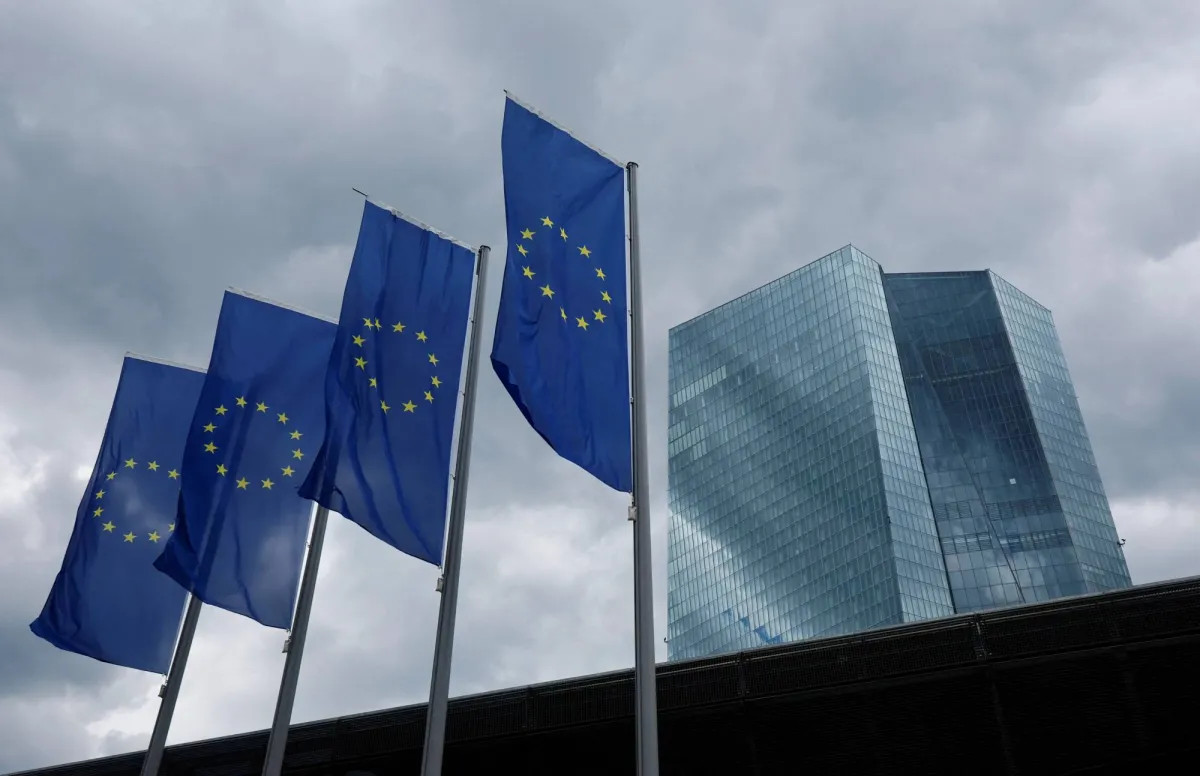
Alvaro Santos Pereira, a member of the European Central Bank's board, stated on Wednesday that the ongoing conflict in the Middle East will significantly affect price developments in global markets. Pereira confirmed that the bank will pay special attention to the effects of the second round of this crisis during its scheduled meeting in June.
Pereira explained to reporters that disruptions in supply chains have already impacted many economic sectors, noting that the reopening of the Strait of Hormuz will take time before operations return to normal. He emphasized that the outcomes and duration of the conflict remain unclear, which will greatly affect price developments and European economies.
Details of the Event
Pereira added that the European Central Bank is carefully studying price developments and examining their side effects and potential impacts on wages before making any decisions. He pointed out that these factors will be pivotal in the upcoming meeting, as the bank seeks to take appropriate steps to address the economic challenges arising from the conflict.
In a related context, German Economy Minister Katrin Reich stated during her visit to Beijing that modern economic relations require both cooperation and competition. She affirmed that competition enhances strength, while cooperation solidifies stability, contributing to innovation and mutual progress.
Background & Context
Germany, considered the third-largest economy in the world, is particularly vulnerable to rising trade protectionism and shifts in global trade. The country faces increasing competition from China, in addition to U.S. tariffs on imports. China has once again become Germany's largest trading partner in goods, with around 5,000 German companies operating in China.
Reich confirmed that Germany aims to enhance dialogue with China, emphasizing that providing fair competitive conditions is essential. She noted that German companies do not shy away from competition, but competition must be framed in a way that achieves mutual benefits.
Impact & Consequences
These statements come at a time when the world is witnessing a noticeable rise in oil prices, increasing inflationary pressures on the Japanese economy. Bank of Japan Governor Kazuo Ueda warned that a temporary energy shock could turn into a lasting shock if it affects wages, expectations, and pricing behavior. He explained that rising oil prices due to the conflict in the Middle East could have negative effects on the Japanese economy.
Ueda also pointed out that oil price shocks are not merely transient events but tests for the entire inflation system. Recent data has shown that core inflation in Japan has accelerated, increasing the likelihood of an interest rate hike in the near future.
Regional Significance
Arab countries are directly affected by the conflict in the Middle East, as rising oil prices could impact their economies, especially those heavily reliant on oil exports. Additionally, regional disturbances may lead to increased economic and political tensions, potentially affecting regional stability.
In conclusion, the importance of monitoring developments in the Middle East and their impact on the global economy is highlighted, as events there could lead to radical changes in prices and markets. European and Arab countries must take proactive steps to address these challenges.