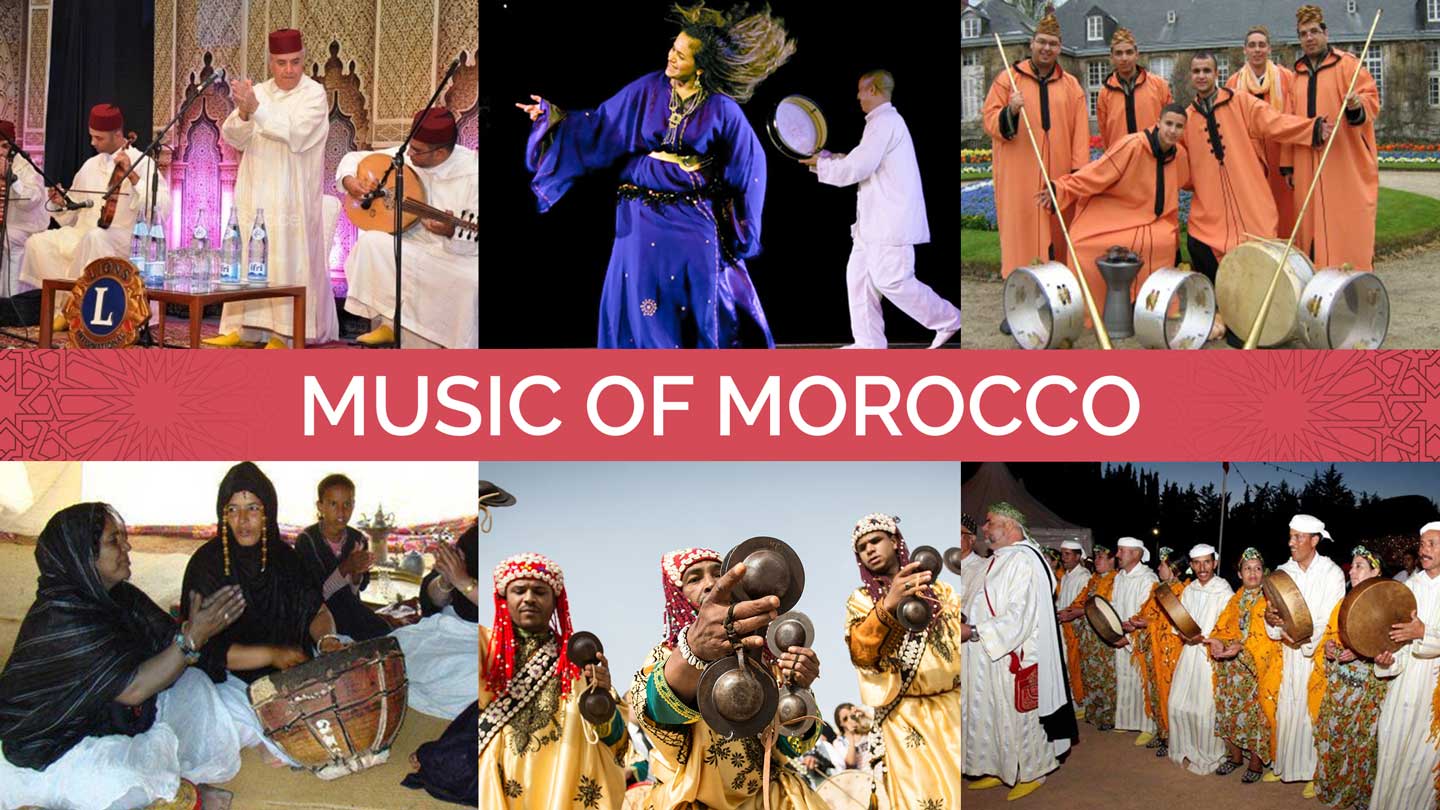
The song 'Romance de Ibn Ammar' stands out as a prominent example of cultural interaction between Spanish and Moroccan music. This piece is characterized by distinct influences from Moroccan musical heritage, evident in the rhythms and melodies employed, highlighting the deep cultural ties between the peoples.
Upon examining the English translation of the song, it becomes clear that the structure and style of the poem carry influences from Moroccan zajal and oral poetry expressed in the Darija dialect. This artistic interaction reflects a long history of cultural exchange between Morocco and Spain, particularly during the Islamic rule in Al-Andalus.
Event Details
The roots of 'Romance de Ibn Ammar' trace back to the Spanish romancero art form, a type of poetic art that dates back to the Middle Ages. This art form is distinguished by its themes of love and adventure, making it appealing to many artists and listeners throughout the ages. The song narrates an epic love story, where a Moorish knight meets his beloved, adding a romantic dimension to the music.
The song incorporates traditional musical elements, such as the use of string instruments and diverse rhythms, making it a focal point for researchers in the field of music. Studies have shown that this song is not merely an artistic work but also a historical document reflecting the interaction between different cultures.
Background & Context
Historically, Al-Andalus was a center of culture and arts, where Arabs and Moroccans mingled with Spaniards in a rich environment of cultural diversity. This interaction led to the emergence of new art forms, such as the romancero, which was significantly influenced by Arabic poetry and Moroccan music. These art forms contributed to shaping the cultural identity of the region.
It is noteworthy that the influence of Moroccan music extends beyond Spain, reaching other parts of the world, reflecting the ability of the arts to transcend geographical and cultural boundaries. This cultural exchange continues today, as these musical styles are revived in various cultural events.
Impact & Consequences
The impact of 'Romance de Ibn Ammar' goes beyond being a mere musical piece; it represents a symbol of cultural communication between peoples. This type of art fosters mutual understanding and encourages dialogue between different cultures. Moreover, reviving such songs can contribute to enhancing the cultural identity of communities.
Furthermore, the growing interest in traditional music reflects the new generations' desire to explore their cultural roots. This trend can lead to an increased pride in cultural heritage, contributing to the preservation of traditional arts for future generations.
Regional Significance
'Romance de Ibn Ammar' exemplifies how the arts influence cultural identity in the Arab region. This song reflects the historical ties between Morocco and other countries, emphasizing the importance of the arts as a means of cultural communication. Additionally, these artistic works contribute to promoting cultural tourism, as many seek to explore the history of the arts in the region.
In conclusion, 'Romance de Ibn Ammar' is not just an artistic work but a manifestation of the rich cultural heritage that unites peoples. Understanding this heritage can contribute to enhancing mutual understanding between different cultures, opening new avenues for cooperation and cultural exchange.