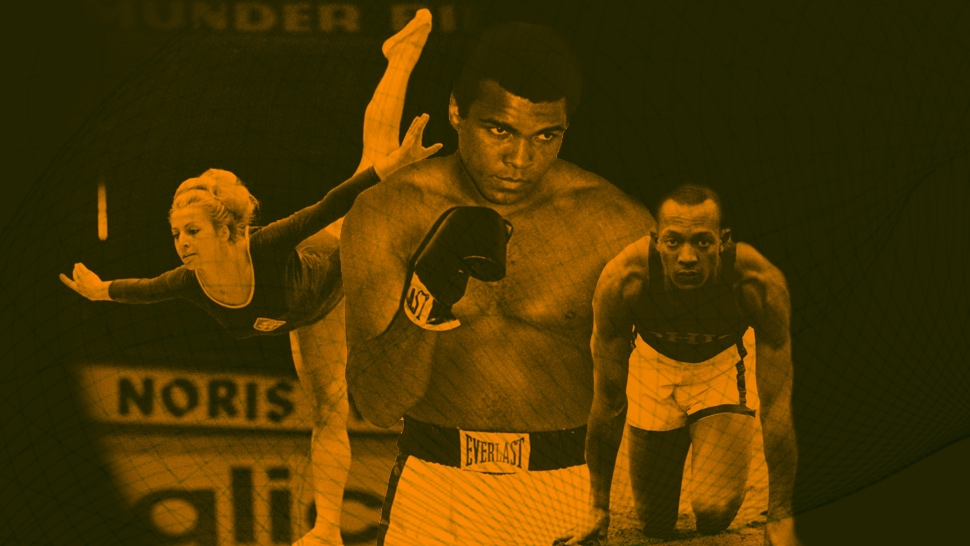
The relationship between sports and politics has been growing stronger in recent years, as sporting events have become not just competitions but platforms for expressing political views. In many countries, sports tournaments are used as a stage to highlight national issues and political tensions.
This phenomenon is particularly evident during major events such as the World Cup and the Olympics, where social and political issues are spotlighted through sports. Athletes are sometimes viewed as national symbols, increasing the pressure on them to voice their political opinions.
Event Details
In recent years, we have witnessed numerous events that illustrate how sports can reflect the political situation in countries. For instance, during certain tournaments, protests against governments or local policies have been organized, sparking widespread debate about the role of athletes in politics.
Moreover, there have been instances where teams or athletes were barred from participating in tournaments due to political stances, reflecting how politics can directly influence sports.
Background & Context
Historically, sports have always been linked to politics. In the 20th century, political regimes used sports as a means to promote national identity. For example, the Nazi regime used the 1936 Olympics to propagate its ideologies.
In the Arab world, we have also seen how sports have been affected by politics, with some regimes using sports as a tool to bolster their authority or convey political messages. This intertwining of sports and politics reflects the challenges faced by societies amid tense political conditions.
Impact & Consequences
The intersection of politics and sports can have profound effects on society. On one hand, it can lead to increased awareness of social and political issues. On the other hand, it may result in societal division, as some individuals adopt sports positions that align with their political views.
Furthermore, these dynamics can influence international relations, where sporting events can strain relationships between countries, as seen in some cases where teams were prevented from participating in tournaments due to political stances.
Regional Significance
In the Arab region, this phenomenon is particularly evident, as sports are used as a means to express national issues. For instance, we have seen how some sports teams have served as platforms to protest government policies or express solidarity with specific causes.
This intertwining of sports and politics reflects the challenges faced by Arab societies, where athletes strive to balance their sporting duties with their political stances.
In conclusion, the question remains: Can sports be a means for social and political change? Or will it remain merely a field for competition?