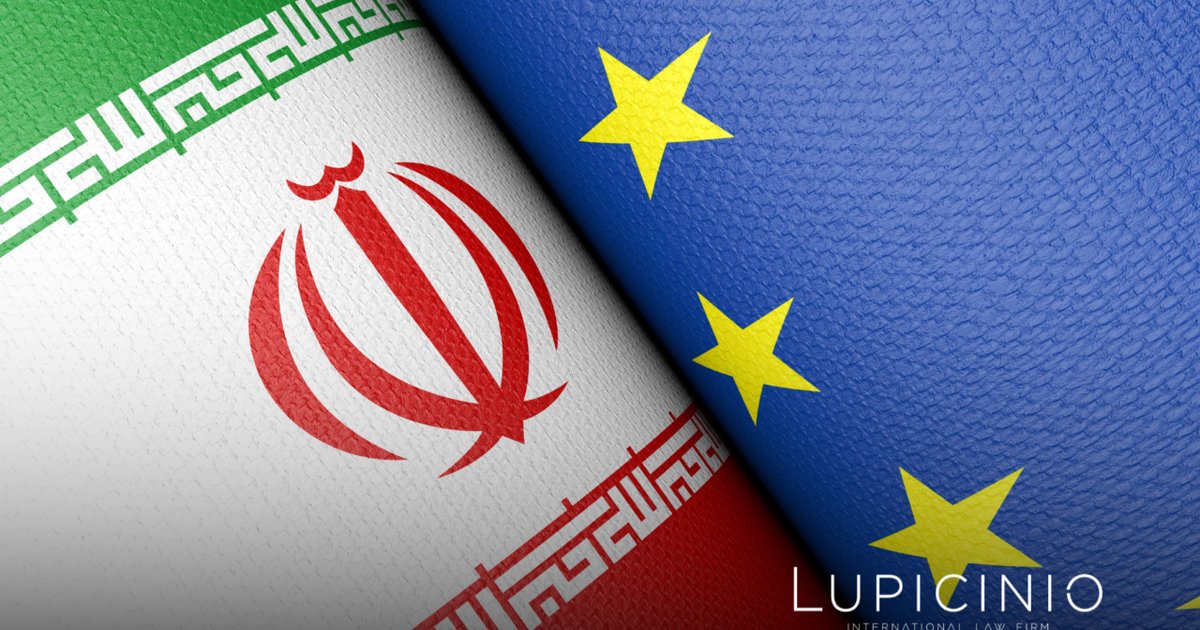
European Central Bank board member Gediminas Simkus has reported that the ongoing war in Iran is adversely affecting the Eurozone economy, bringing it closer to the negative scenario prepared by the bank. These statements arise amidst increasing geopolitical tensions in the region, which are directly influencing financial markets and global economies.
Simkus clarified that the current situation necessitates rapid action from economic policymakers in Europe to address the growing challenges. The war in Iran, which has led to rising oil prices and increased instability in markets, casts a shadow over the economic recovery in the Eurozone.
Details of the Situation
The war in Iran is not merely a local conflict; it has global repercussions that affect the European economy. The rise in energy prices due to the conflict may lead to increased inflation, placing additional pressure on the European Central Bank in making decisions regarding interest rates. Furthermore, political tensions could result in a decline in foreign investments in the region, complicating the economic recovery.
In this context, many analysts anticipate that the European Central Bank may move towards more stringent monetary policies in the near future. Simkus indicated that the negative scenario discussed by the bank includes a potential economic recession, which could impact growth in Eurozone member states.
Background & Context
Historically, the Eurozone has experienced numerous economic crises linked to geopolitical conflicts. For instance, the global financial crisis in 2008 significantly affected the economies of European countries, leading to stringent measures by the European Central Bank. Today, it appears that the war in Iran is repeating the same scenario, as concerns grow over its impact on economic stability.
Additionally, European-Iranian relations have always been complex, with economic interests intertwined with political issues. In recent years, European countries have attempted to maintain a nuclear agreement with Iran, but escalating tensions may reverse these efforts.
Impact & Consequences
The economic ramifications of the war in Iran could be far-reaching. If the conflict continues, we may witness an increase in commodity prices, affecting the purchasing power of citizens in European countries. Rising prices could also erode confidence in financial markets, leading to greater instability.
Moreover, these conditions may exacerbate social and economic crises in the weaker countries of the Eurozone, widening the gap between rich and poor nations. This situation could lead to political instability, further complicating the economic landscape.
Regional Significance
Looking at the Arab region, the war in Iran directly impacts regional security and stability. The rise in oil prices due to the conflict may have positive effects on some oil-producing countries, but it could also worsen economic crises in oil-importing nations.
Furthermore, tensions in Iran may lead to increased migration and displacement from conflict-affected areas, placing additional pressures on neighboring countries. Ultimately, the current situation requires greater coordination among Arab nations to address the economic and social challenges arising from this war.