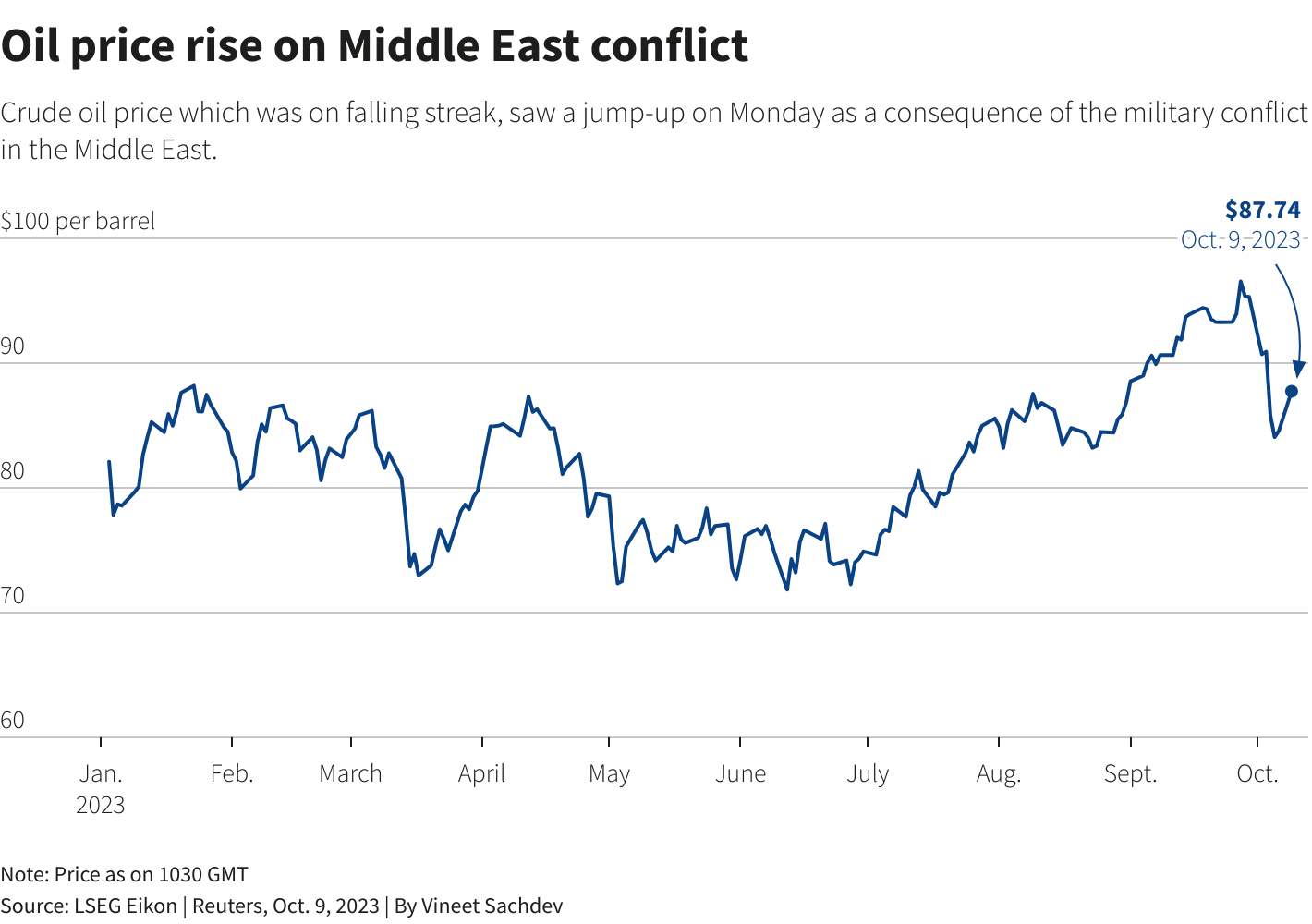
Global oil markets are under increasing pressure due to recent military escalations in different parts of the world, raising investor concerns and directly affecting oil prices. Under these circumstances, it has become clear that armed conflicts play a central role in shaping the future of energy.
Reports indicate that oil prices have experienced significant fluctuations, with prices rising following heightened tensions in the Middle East, reflecting the heavy reliance of global economies on oil as a primary energy source.
Details of Recent Events
In recent weeks, global oil markets have witnessed sharp fluctuations, with prices rising by as much as 5% at times due to escalating conflicts in oil-rich regions. These increases come at a sensitive time, as major countries strive to stabilize energy markets amid fears of conflicts impacting oil supplies.
Prices are particularly affected by conflicts in oil-producing countries, where any escalation in tensions raises fears of supply disruptions. For example, the conflicts in Libya, Iraq, and Syria have had a direct impact on oil flow, leading to price increases in global markets.
Background & Context
Historically, oil markets have always been susceptible to fluctuations resulting from military conflicts. For decades, oil prices have seen sharp rises and falls due to wars and disputes in the Middle East. These conflicts often lead to supply disruptions, causing global concern about energy stability.
In recent years, it has become evident that geopolitical tensions play an increasingly significant role in determining oil prices. With rising conflicts in regions like the Arabian Gulf, it has become essential for investors to closely monitor the situation.
Impact & Consequences
Fluctuations in oil prices affect the global economy as a whole, with many countries relying on oil as a primary source of revenue. Rising prices can lead to increased transportation and production costs, impacting the prices of goods and services.
Moreover, rising oil prices may lead to increased inflation in oil-importing countries, placing additional pressure on governments. Conversely, oil-exporting countries benefit from higher prices, bolstering their budgets and enhancing their capacity to invest in development projects.
Regional Significance
The Arab region is one of the most affected areas by fluctuations in oil prices, as many countries depend on oil revenues to meet their economic needs. Ongoing conflicts in countries like Libya and Syria directly impact the stability of oil markets.
Additionally, tensions in the Arabian Gulf may increase risks to oil supplies, raising concerns among investors and affecting investments in the region. Under these circumstances, it becomes essential for Arab countries to enhance cooperation among themselves to ensure the stability of oil markets.
In conclusion, oil markets remain under pressure from military conflicts, making it crucial for countries and investors to closely monitor developments. The stability of oil prices heavily depends on geopolitical conditions, necessitating flexible strategies to address these challenges.