PT Taspen (Persero), the Indonesian state-owned company, has announced its commitment to bureaucratic reforms by implementing the ISO 37001:2025 Anti-Bribery Management System, aimed at enhancing integrity and ensuring transparency in the management of retirement and social security funds. This announcement comes at a critical time as the company prepares for the re-certification process scheduled for April 2026.
In a statement, Henra, the company's executive secretary, emphasized that the implementation of the Anti-Bribery Management System is a fundamental duty for the company as a government institution managing social security funds for state employees. He pointed out that the company bears significant responsibility in managing funds that secure the future of participants, necessitating the enhancement of the system's application through policy updates and strengthening internal systems.
Details of the Initiative
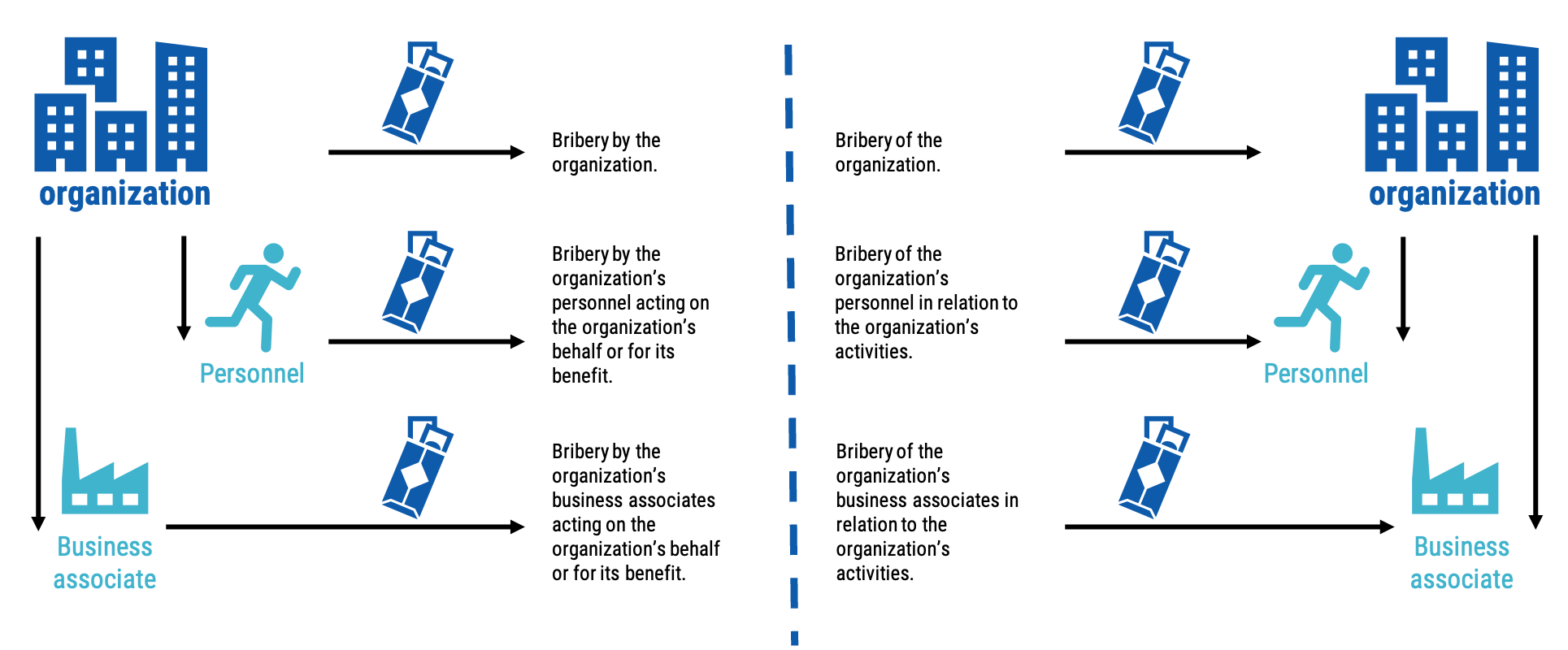
The ISO 37001:2025 Anti-Bribery Management System aims to establish effective controls against bribery, both directly and indirectly, including issues related to gifts, privileges, and donations. The system also includes mechanisms for risk identification, necessary checks, strengthening internal systems, as well as reporting and investigating any violations.
PT Taspen has encouraged participants to report any potential violations, especially those related to bribery, as part of its efforts to build transparent and accountable public services. The company has set anti-bribery goals for 2026, targeting zero bribery incidents across all its units.
Background & Context
PT Taspen (Persero) is one of the important government institutions in Indonesia, managing retirement and social security funds for state employees. The implementation of the Anti-Bribery Management System is part of the Indonesian government's efforts to enhance transparency and combat corruption, which is part of a broader vision aimed at improving governance in the public sector.
Over the years, Indonesia has faced significant challenges in combating corruption, prompting the government to take serious steps toward enhancing integrity across all its institutions. The implementation of the ISO 37001 system represents an important step toward achieving these goals.
Impact & Consequences
The implementation of the Anti-Bribery Management System is a strategic step that reflects PT Taspen's commitment to improving the level of transparency and integrity in managing public funds. This system is expected to enhance public trust in government institutions, contributing to social and economic stability.
Moreover, strengthening a culture of anti-corruption within government institutions can encourage new investments and enhance the business environment in Indonesia, contributing to sustainable economic growth.
Regional Significance
PT Taspen's efforts to enhance transparency and combat corruption serve as a model that Arab countries facing similar challenges in this area can benefit from. Implementing effective anti-bribery systems can contribute to improving governance levels and enhancing trust in government institutions.
Given the economic and political challenges faced by many Arab countries, enhancing transparency and integrity is essential for achieving sustainable development and promoting social stability.