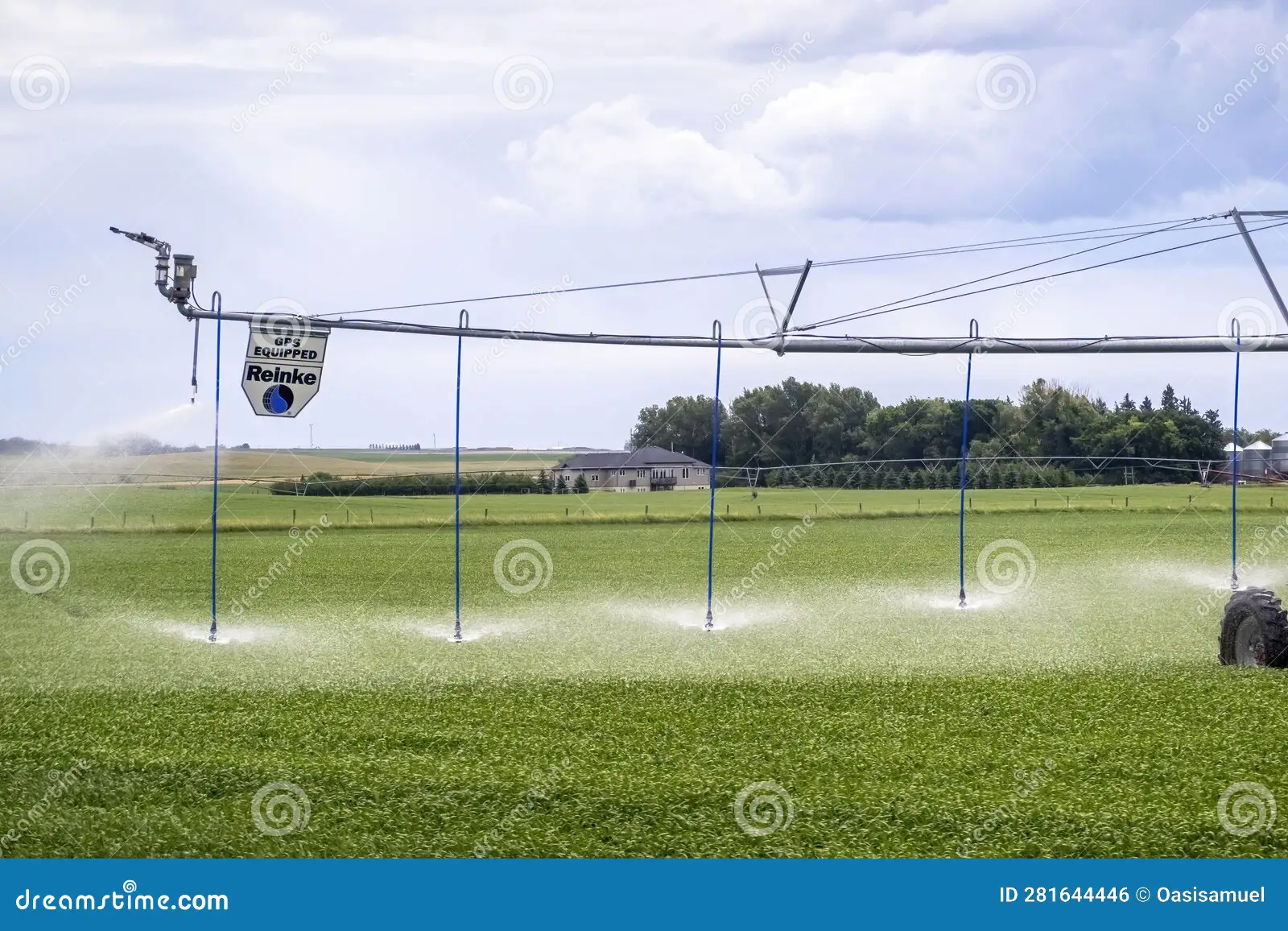
The Indonesian Ministry of Agriculture announced the implementation of Alternate Wetting and Drying (AWD) technology aimed at reducing water consumption in agriculture by up to 20%. This step is part of efforts to confront the challenges posed by the extreme 'El Niño' phenomenon, also known as 'Godzilla El Niño', which threatens to cause prolonged drought.
In statements made, Indonesian Minister of Agriculture Andi Amran Sulaiman confirmed that this technology helps improve water use efficiency without affecting rice productivity. He noted that effective water management is a crucial element for maintaining the sustainability of agricultural production, especially under volatile climatic conditions.
Details of the Initiative
The AWD technology is an innovative method that allows farmers to manage irrigation processes more precisely, helping them maintain plant growth even in water-scarce situations. This technology was developed by the International Rice Research Institute in 2009, and Indonesia began adopting it in 2013.
According to data, experiments conducted over six agricultural seasons have shown that AWD technology can reduce water consumption by between 17% and 20%, contributing to alleviating water scarcity in agricultural lands. Additionally, this technology helps improve soil quality and reduce greenhouse gas emissions from agricultural lands.
Background & Context
Concerns are growing regarding the impacts of climate change on agriculture in Indonesia, where dry seasons have become more severe and prolonged. The 'El Niño' phenomenon is one of the main factors affecting weather patterns, leading to an increased risk of drought in agricultural areas. Therefore, developing technologies like AWD is essential to ensure the sustainability of agricultural production amidst these challenges.
The Indonesian government is striving to enhance food security by improving agricultural strategies, which requires integrating modern technology with traditional farming practices. The use of technologies like AWD can positively impact agricultural productivity, contributing to achieving food security in the country.
Impact & Consequences
The AWD technology represents a significant step towards achieving climate-smart agriculture, focusing on improving the efficiency of water resource use. By organizing the irrigation process based on soil moisture, farmers can reduce their reliance on continuous irrigation, thereby minimizing the risks associated with drought.
Moreover, the application of this technology can lead to improved root and soil structure, making plants more resilient to drought and increasing the chances of enhancing production. Consequently, these strategies not only help address climate challenges but also enhance the agricultural system's ability to adapt to changing conditions.
Regional Significance
Given the water challenges faced by many Arab countries, Indonesia's experience in applying AWD technology could serve as a model. Many Arab nations suffer from water scarcity, making it vital to improve water use efficiency in agriculture.
Arab countries can benefit from this experience by developing similar strategies aimed at improving water management in agriculture, thereby enhancing food security and reducing the impacts of drought. Regional cooperation in sustainable agricultural technologies could have a positive impact on food security in the region.