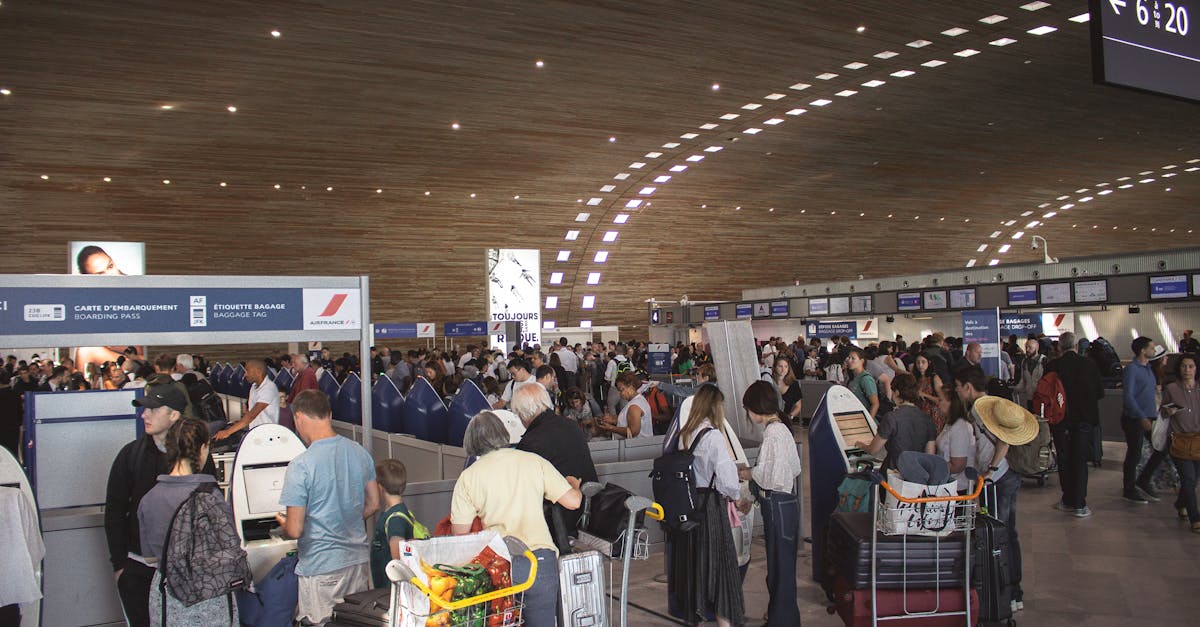
Saudi authorities have announced the implementation of a baggage tagging system for pilgrims from Côte d'Ivoire, which will expedite their arrival procedures in the Kingdom. This system represents a significant step towards improving the experience of pilgrims, allowing them to easily track their luggage.
This measure is part of the Kingdom's efforts to provide the best services for pilgrims, especially with the increasing number of arrivals for the Hajj rituals. The baggage tagging system aims to reduce the time spent on inspection and delivery procedures, enabling pilgrims to focus on their religious duties.
Event Details
The baggage tagging system has been designed to be user-friendly, with special labels placed on the luggage containing the pilgrim's information, making it easier to identify at checkpoints and airports. This system helps reduce chaos and congestion, enhancing the efficiency of the logistical operations related to transporting pilgrims.
Moreover, this system reflects the Kingdom's commitment to enhancing the Hajj experience, as modern technologies have been employed to ensure the safety of luggage and its swift delivery to its owners. Many pilgrims have expressed their satisfaction with this new system, confirming that it significantly eases many procedures.
Background & Context
Historically, Saudi Arabia has witnessed notable advancements in Hajj services, with numerous modern systems and technologies introduced to improve the pilgrims' experience. Among these systems is the baggage tagging system, which is part of the Kingdom's Vision 2030 aimed at developing the Hajj and Umrah sectors.
Côte d'Ivoire is one of the countries actively participating in the Hajj season, with many of its citizens eager to perform this religious duty. As the number of pilgrims from this country increases, it has become essential to enhance the services provided to ensure their comfort and safety.
Impact & Consequences
The baggage tagging system is expected to significantly enhance the pilgrims' experience, potentially leading to an increase in the number of arrivals from Côte d'Ivoire in the coming years. This system may encourage more citizens to undertake the Hajj pilgrimage, especially with the facilitation of procedures.
This development also reflects the Kingdom's commitment to reinforcing its status as a primary destination for Hajj and Umrah, contributing to the enhancement of religious tourism and benefiting the local economy.
Regional Significance
The experience of pilgrims from Côte d'Ivoire serves as a model for improving services provided to pilgrims from various countries. This system could be implemented in other nations, fostering cooperation among Arab countries in the field of Hajj and Umrah.
In conclusion, the baggage tagging system represents a positive step towards improving the Hajj experience and reflects the Kingdom's commitment to providing the best services for pilgrims from around the world.