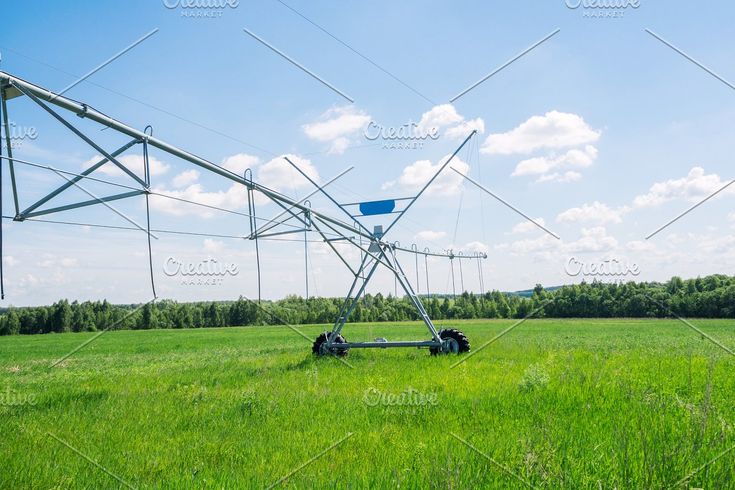
Agriculture in the Northern Ghor faces significant challenges due to water scarcity, jeopardizing food security in the region. In this context, modern irrigation systems have been introduced as a means to tackle this crisis, aiming to improve water efficiency and increase agricultural productivity.
The Northern Ghor is considered one of the vital agricultural areas in Jordan, heavily relying on both groundwater and surface water. With the increasing demand for water due to population growth and climate changes, it has become essential to seek innovative solutions for better water resource management.
Details of the Initiative
The Jordanian government is striving to implement new projects related to modern irrigation systems, which include techniques such as drip irrigation and sprinkler irrigation. These techniques aim to reduce water loss and enhance its efficiency in agriculture. Studies have shown that these systems can increase crop yields by up to 30% compared to traditional methods.
Training has also been provided to farmers on how to effectively use these systems, contributing to enhancing their skills and raising their awareness of the importance of water management. These efforts are expected to improve the agricultural situation in the region, benefiting the local economy.
Background & Context
Historically, the Northern Ghor relied on traditional water sources, but with the increasing demand for water and the deterioration of water resources, it has become necessary to adopt new methods. Jordan suffers from a severe water shortage, ranking among the most arid countries in the world.
Modern irrigation projects are part of a comprehensive strategy aimed at improving water management in the country. Several similar projects have been implemented in other regions of Jordan, contributing to improved agricultural production and water conservation.
Impact & Consequences
If these systems succeed in achieving their goals, they will contribute to enhancing food security in Jordan and alleviating pressure on water resources. They could also serve as a model for other countries facing similar water management issues.
These systems also present an opportunity to strengthen cooperation between farmers and government entities, contributing to the development of effective water management strategies. These efforts are expected to improve the living conditions of farmers and increase their income.
Regional Significance
The water crisis is one of the major challenges facing many Arab countries, most of which suffer from water scarcity. The experience of the Northern Ghor in utilizing modern irrigation systems could serve as an example for other countries such as Iraq, Syria, and Palestine, which face similar water management issues.
Improving water management in agriculture can contribute to achieving food security in the region, thereby enhancing economic and social stability. Additionally, regional cooperation in this field could lead to knowledge and experience exchange, helping to address common challenges.
In conclusion, modern irrigation systems in the Northern Ghor represent a positive step towards improving water management and enhancing agriculture in the region. If these systems are implemented effectively, they could make a significant difference in combating water scarcity and achieving food security.