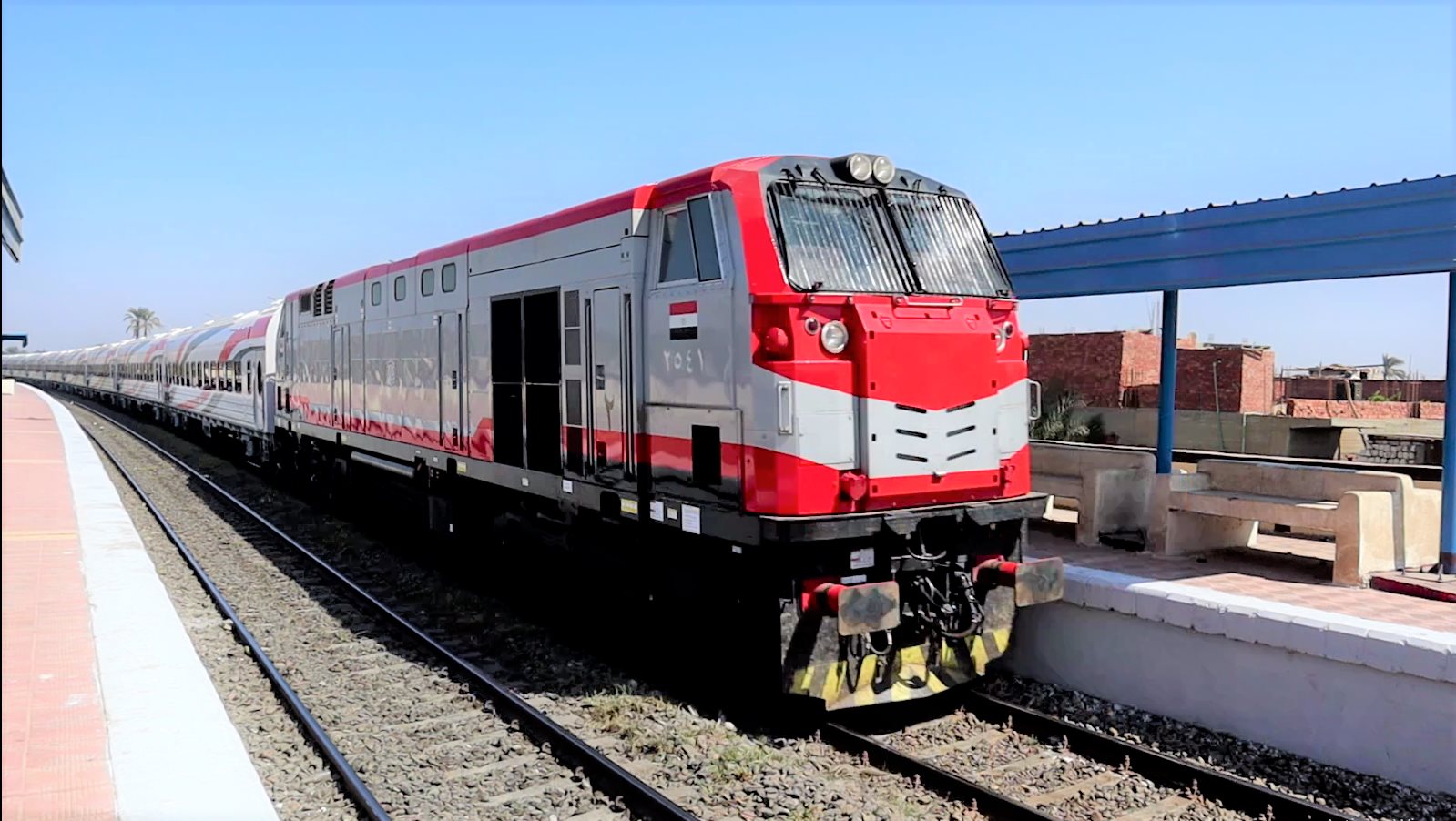
The Egyptian Railway Authority has announced the implementation of new precautionary measures aimed at ensuring the safety of train operations in light of the weather fluctuations currently affecting the country. These measures come at a time when concerns are growing regarding the impact of climatic conditions on transportation, necessitating proactive steps to protect passengers.
The precautionary measures include increasing the number of maintenance and inspection teams on the railways, as well as enhancing communication with meteorological centers to continuously monitor climate changes. An emergency plan has also been established to address any emergencies that may arise from adverse weather conditions, such as heavy rainfall or sandstorms.
Details of the Measures
As part of these measures, the Railway Authority confirmed that it will suspend train operations in certain areas experiencing severe weather conditions to ensure the safety of passengers and staff. A early warning system has also been activated to alert travelers about any potential changes in train schedules.
Additionally, railway stations have been equipped with extra equipment to cope with weather conditions, such as backup generators to ensure service continuity in case of power outages. Staff have also been trained on how to effectively handle emergency situations.
Background & Context
Historically, the Egyptian railways have faced numerous challenges due to weather fluctuations, with storms and heavy rains sometimes leading to unfortunate incidents. Therefore, the authority seeks to improve safety levels through the implementation of these precautionary measures, reflecting its commitment to providing a safe environment for travelers.
This step comes at a time when many countries around the world are suffering from the effects of climate change, increasing the importance of preparedness for extreme weather conditions. Previous experiences have shown that rapid and effective responses can reduce the risks associated with transportation in such circumstances.
Impact & Consequences
These precautionary measures are expected to contribute to reducing accidents and enhancing citizens' confidence in railway services. They will also help improve the level of service provided to passengers, thereby promoting the use of public transport as a safe and reliable alternative.
Furthermore, enhancing safety levels in railways may lead to an increase in the number of passengers, which would positively reflect on the national economy. The more users there are, the higher the revenues, which aids in the development of transportation infrastructure.
Regional Significance
Railways are considered one of the most important means of transportation in many Arab countries, playing a vital role in connecting cities and boosting economic movement. Therefore, implementing similar precautionary measures in other countries may help improve safety levels in transportation and reduce accidents.
Moreover, cooperation among Arab countries in the field of railway transportation could facilitate the exchange of experiences and modern technologies, contributing to enhancing transportation safety in the region as a whole.
In conclusion, the precautionary measures taken by the Egyptian Railway Authority reflect a strong commitment to improving safety and security in transportation, marking a positive step towards a better future for railways in the country.