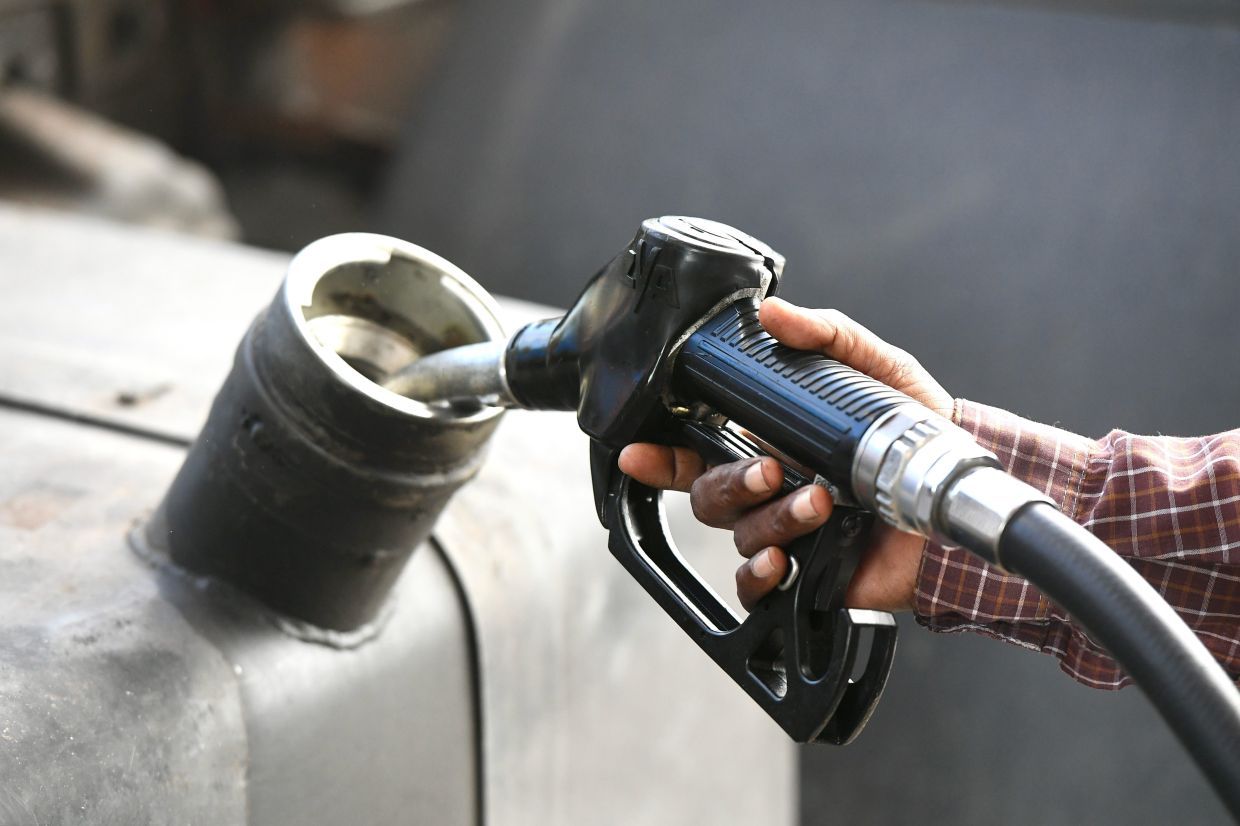
In a new step aimed at regulating fuel subsidies, Datuk Armizan Mohd Ali announced that the Malaysian government will implement a targeted diesel subsidy in the states of Sabah, Sarawak, and Labuan in phases. He confirmed that allowing these regions to continue benefiting from subsidized diesel is not an unfair matter, as the government has not announced its intention to abolish this support in the future.
These statements come at a time when Malaysia is experiencing intense discussions regarding fuel subsidy policies, as the government seeks to balance supporting citizens with achieving financial sustainability. Armizan indicated that the government will work on establishing a clear plan for implementing the targeted subsidy, reflecting its commitment to meeting the needs of the populations in these regions.
Details of the Announcement
In remarks made during a press conference in Kota Kinabalu, Armizan clarified that the government will implement the subsidy in phases, indicating that there is a possibility of adjusting the policy in the future based on economic and social conditions. He also noted that the government is considering the needs of local residents, especially in remote areas where many rely on diesel for their daily lives.
Sabah and Sarawak are resource-rich regions, but their residents face significant economic challenges. Therefore, the continuation of the subsidy is an important step to ensure price stability and alleviate the burden on citizens.
Background & Context
Historically, Malaysia has relied heavily on fuel subsidies as a means to stimulate the local economy and ease the burden on citizens. However, the shift towards reducing general fuel subsidies has become an urgent necessity in light of the financial challenges facing the government, including rising global oil prices.
In recent years, the Malaysian government has made changes to its subsidy policy, focusing on supporting the most vulnerable groups. This shift has sparked widespread debate among citizens, with some arguing that reducing subsidies could negatively impact their daily lives.
Impact & Consequences
The implementation of the targeted subsidy is expected to have positive effects on the local economy in Sabah and Sarawak. Thanks to this support, local residents can benefit from lower diesel prices, contributing to the reduction of living costs. Additionally, this approach may encourage increased productivity in various economic sectors, such as agriculture and transportation.
However, there are concerns that the phased implementation of the subsidy may lead to uncertainty among citizens. Therefore, the government must be transparent about its plans and provide sufficient information to citizens regarding how these policies will affect their daily lives.
Regional Significance
Malaysia's experience in managing fuel subsidies is particularly significant for Arab countries, which face similar challenges in managing their natural resources. Many Arab nations rely on fuel subsidies as a means to maintain social stability, but with rising oil prices, the need to reassess these policies has become urgent.
Arab countries can benefit from Malaysia's experience in implementing targeted subsidies, as this could help achieve a balance between financial sustainability and meeting citizens' needs. Understanding how these policies impact the local economy can have positive effects on social stability in the region.
In conclusion, the Malaysian government's decision to implement a targeted diesel subsidy represents an important step towards achieving financial sustainability while considering citizens' needs. This approach may serve as a model for other countries seeking to balance citizen support with economic sustainability.