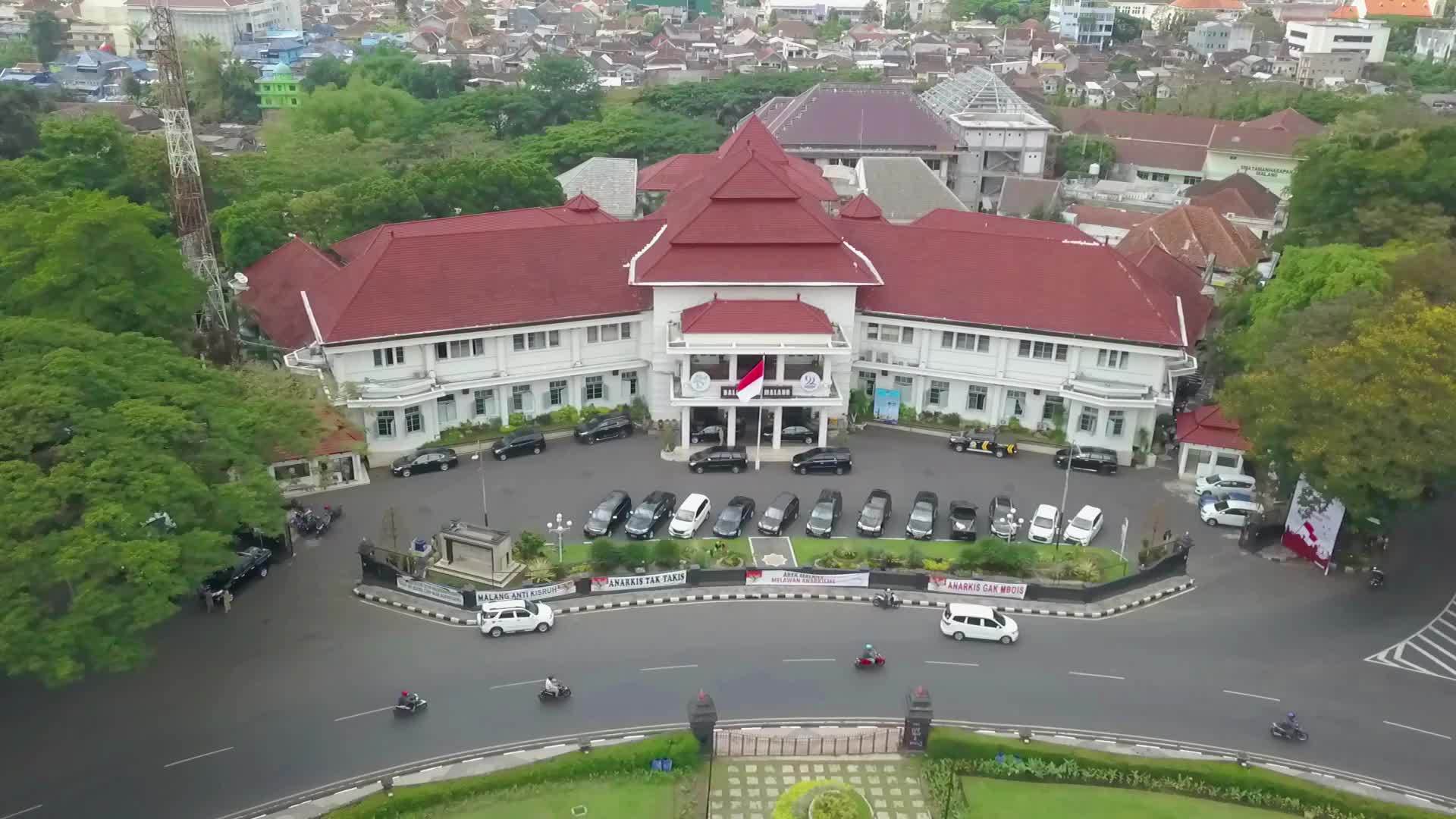
The East Java provincial government in Indonesia has announced the commencement of a Work From Home (WFH) system for government employees, aiming to enhance public health and reduce the spread of the COVID-19 virus. This decision comes at a time when the country is witnessing a rise in infection cases, necessitating effective precautionary measures.
The government seeks to ensure the safety of employees and citizens through this system, allowing employees to work from their homes, thereby minimizing gatherings and limiting the risk of infection. Specific categories of employees have been identified for this initiative, with priority given to those who can perform their tasks remotely.
Details of the Initiative
This step is part of a series of measures taken by the Indonesian government to address the repercussions of the COVID-19 pandemic. The announcement of the work-from-home arrangement is part of a comprehensive plan aimed at reducing social contact and promoting physical distancing. All government institutions in the province have been directed to activate this system, emphasizing the necessity of adhering to required health protocols.
This system is expected to continue for an indefinite period, as the government will monitor the health situation in the country and assess the need for extending or terminating these measures. It has also been confirmed that employees who need to be present at their offices to perform essential tasks will continue to do so while taking necessary precautions.
Background & Context
Historically, Indonesia has experienced several waves of the COVID-19 pandemic, prompting the government to implement strict measures across various sectors. The pandemic has significantly impacted the national economy, with many vital sectors experiencing downturns. In this context, the decision to work from home serves as a means to adapt to current conditions.
It is noteworthy that many countries around the world have adopted the work-from-home system as an effective response to the pandemic, contributing to maintaining workflow and mitigating negative economic impacts. These strategies have proven effective in numerous countries, highlighting the importance of adopting such solutions in Indonesia.
Impact & Consequences
This decision is expected to have a significant impact on the workflow within the Indonesian government, helping to alleviate pressure on the healthcare system and enhancing the government's capacity to address health challenges. Additionally, working from home may provide employees with an opportunity to achieve a better work-life balance.
However, some employees may face challenges in adapting to this system, particularly those who rely on direct interaction with colleagues or who need access to specific resources in their offices. Therefore, it is crucial for the government to provide the necessary support to facilitate this transition.
Regional Significance
In light of global health conditions, Indonesia's experience in implementing the work-from-home system could serve as a model for Arab countries. Many Arab nations face similar challenges in combating the COVID-19 virus, and this step may act as a call to adopt flexible work strategies.
Moreover, enhancing remote work can contribute to improving productivity and reducing congestion in major Arab cities, reflecting the importance of innovation in work methods. Ultimately, this decision represents an opportunity to strengthen cooperation among countries in addressing health and economic challenges.