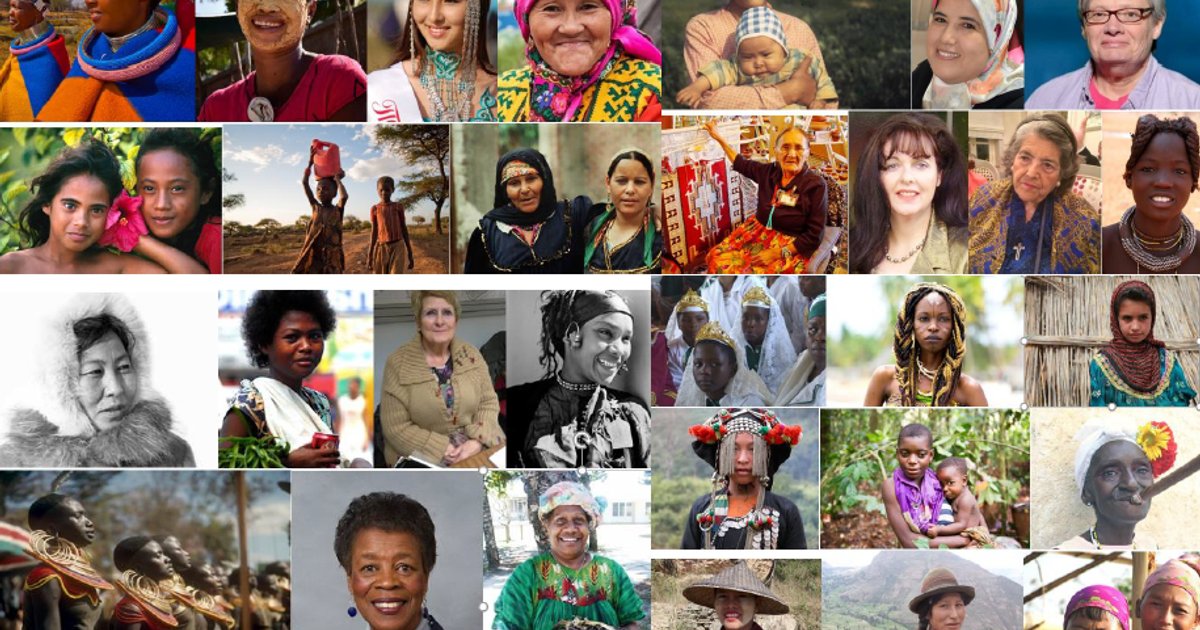
Anthropology and cultural studies are becoming increasingly important for understanding cultural identity and heritage, as they highlight social interactions and cultural changes in societies. These studies reflect the challenges faced by cultures in the context of globalization.
Anthropology is a scientific branch that focuses on the study of humans and their cultures, utilizing both quantitative and qualitative research tools to understand the customs, traditions, and values that shape societies. Meanwhile, cultural studies focus on how culture influences behaviors and social interactions, making them an essential tool for understanding the changes affecting cultural identity.
Event Details
In recent years, anthropology and cultural studies have garnered increased interest from academics and researchers, with numerous conferences and seminars organized to discuss cultural and social issues. These events allow researchers to exchange ideas and experiences, enhancing the understanding of the challenges faced by societies in the modern era.
The topics addressed in these studies include issues such as migration, cultural integration, and the impact of media on identity. There is also a focus on how globalization affects local cultures and whether these cultures can adapt or will disappear under global pressures.
Background & Context
Historically, anthropology focused heavily on traditional societies, but over time, it has shifted towards studying modern communities. This shift reflects the significant changes that have occurred in the world, making it essential to understand how economic and political factors influence cultures.
Cultural studies are an integral part of this context, contributing to the analysis of how culture shapes individual and collective identity. In the Arab world, these studies gain particular importance due to the cultural and linguistic diversity it possesses, making them an effective tool for understanding social interactions.
Impact & Consequences
Anthropology and cultural studies significantly influence public policies, as they can contribute to developing strategies that promote cultural diversity and support local identity. They can also play a role in fostering dialogue between different cultures, contributing to the building of more cohesive communities.
Moreover, understanding cultural dynamics can help address social issues such as discrimination and violence, as studies can promote values of tolerance and mutual respect.
Regional Significance
In the Arab region, anthropology and cultural studies are vital tools for understanding the challenges facing societies, such as conflicts and civil wars. These studies help highlight the importance of culture in enhancing national identity and its role in building peace.
Furthermore, promoting research in these fields can contribute to developing cultural policies that support the arts and heritage, thereby enhancing the status of Arab culture on the global stage.
In conclusion, anthropology and cultural studies are not merely academic fields; they are vital tools for understanding social and cultural changes and enhancing identity and heritage in a changing world.